
 Lisa Willams
Staying hydrated sounds simple. Just drink water, right?
But in real life, it is not that easy.
You get busy. You forget. Sometimes you do not even feel thirsty. By the time you realize it, you feel tired, low on energy, or even get headaches. And you are left wondering what went wrong.
If this sounds familiar, you are not alone.
Many people struggle with hydration every single day. The good news is this. Once you understand how to stay hydrated properly, it becomes much easier. You can build small habits that fit into your routine without stress.
In this guide, I will walk you through everything in a simple and practical way. No confusion. No complicated rules. Just real steps that work.
What Does It Really Mean to Stay Hydrated?
Staying hydrated means giving your body enough fluids to work properly.
Your body is made of about 60 percent water. That water helps with:
- Keeping your energy stable
- Helping your brain stay sharp
- Supporting digestion
- Regulating body temperature
- Keeping your skin healthy
When your body does not get enough water, it starts to slow down.
Even mild dehydration can make you feel:
- Tired
- Dizzy
- Less focused
- Irritated
That is why hydration is not just about drinking water when you feel thirsty. It is about keeping your body consistently fueled with fluids throughout the day.
Why Is Hydration So Important?
Hydration affects almost everything you do.
Here is a simple truth. When your body lacks water, every system suffers.
Key Hydration Benefits
- Better concentration and mental clarity
- Improved physical performance
- Healthier skin
- Stronger digestion
- Reduced headaches
- Better mood
According to MedlinePlus, proper hydration helps your body maintain balance and supports vital functions like circulation and temperature control.
When you stay hydrated, you feel more in control of your day. Your body works with you, not against you.
How Much Water Do You Really Need Daily?
This is one of the most common questions.
There is no single perfect number for everyone. But here is a simple starting point:
- Men: around 3 liters per day
- Women: around 2 to 2.5 liters per day
But your needs change based on:
- Weather
- Activity level
- Body size
- Health condition
Easy Rule to Follow
Drink enough so that your urine is light yellow.
That is one of the simplest and most reliable daily water intake tips.
How to Stay Hydrated Throughout the Day (Step by Step)
This is where most people struggle. Knowing is easy. Doing it daily is the real challenge.
Let us break it down into simple steps you can actually follow.
-
Start Your Morning With Water
After sleeping for 6 to 8 hours, your body wakes up dehydrated.
Drinking 1 glass of water first thing in the morning helps:
- Wake up your system
- Boost metabolism
- Improve digestion
Keep a glass or bottle near your bed so you do not skip this step.
-
Carry a Water Bottle Everywhere
This sounds basic, but it works.
When water is not around you, you will not drink it.
Choose a bottle you like. Keep it with you at work, in your car, or while traveling.
This small habit can double your water intake without effort.
-
Set Simple Reminders
Life gets busy. You forget.
Set reminders on your phone every 1 to 2 hours.
Or use natural triggers like:
- Drink after every bathroom break
- Drink before every meal
- Drink after every call or meeting
You are not forcing yourself. You are just building a rhythm.
-
Eat Water-Rich Foods
Hydration is not only about drinking water.
Many foods help you stay hydrated:
- Cucumber
- Watermelon
- Oranges
- Strawberries
- Lettuce
These foods add to your hydration without feeling like extra effort.
-
Create a Drinking Water Routine
A routine removes decision making.
Here is a simple example:
- Morning: 1 glass after waking up
- Breakfast: 1 glass
- Mid-morning: 1 glass
- Lunch: 1 glass
- Afternoon: 1 glass
- Evening: 1 glass
- Dinner: 1 glass
That is already 7 glasses without stress.
-
Add Natural Flavor If You Get Bored
Many people stop drinking water because it feels boring.
You can make it enjoyable:
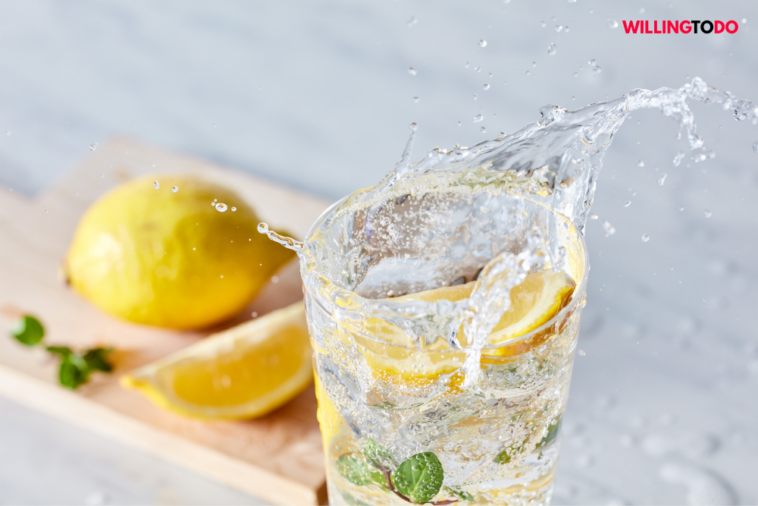
- Add lemon slices
- Add mint leaves
- Add cucumber
This keeps things fresh without adding sugar or unhealthy drinks.
-
Pay Attention to Your Body
Your body gives signals:
- Dry mouth
- Headache
- Dark urine
- Low energy
Do not ignore these signs.
They are early warnings that you need more water.
Real Life Example
Let us make this real.
Ali works a 9 to 5 job. He used to drink only 2 to 3 glasses of water daily. By evening, he felt tired and unfocused.
He made small changes:
- Kept a bottle on his desk
- Set reminders every 2 hours
- Drank water before lunch and after meetings
Within a week:
- His energy improved
- He felt less tired
- His headaches reduced
No extreme changes. Just small consistent actions.
That is how hydration works.
Common Mistakes People Make

Even with good intentions, many people go wrong here.
-
Drinking Only When Thirsty
Thirst is a late signal.
By the time you feel thirsty, you are already slightly dehydrated.
-
Drinking Too Much at Once
Drinking 1 liter at once does not fix hydration.
Your body needs steady intake throughout the day.
-
Replacing Water With Sugary Drinks
Juices, sodas, and energy drinks are not proper hydration.
They often add sugar and reduce overall health.
-
Ignoring Weather and Activity
Hot weather and exercise increase water needs.
If you sweat more, you need more fluids.
-
Forgetting Hydration During Work
People get so focused on work that they forget to drink water for hours.
This leads to fatigue and reduced productivity.
Expert Tips to Stay Hydrated Easily
Here are some practical tips that actually make a difference.
-
Use a Marked Bottle
Bottles with time markings help you stay on track without thinking too much.
-
Pair Water With Daily Habits
Link drinking water with things you already do.
For example:
- After brushing teeth
- Before checking your phone
- After meals
-
Keep Water Visible
Out of sight means out of mind.
Keep your bottle where you can see it.
-
Drink Before You Feel Tired
Fatigue is often dehydration in disguise.
Before reaching for coffee, drink water first.
-
Track Your Intake for a Few Days
You do not need to track forever.
But tracking for 3 to 5 days helps you understand your habits.
Pain Points People Face With Hydration
Let us be honest. This is where people struggle.
- “I forget to drink water”
- “I do not feel thirsty”
- “I get bored of plain water”
- “I am too busy”
These are real problems.
The solution is not discipline. It is design.
Make hydration easy, visible, and part of your routine. Once it becomes automatic, you will not have to think about it.
How This Connects to Your Daily Routine
Hydration is not a separate habit.
It is part of your overall lifestyle.
If your daily routine is messy, hydration will also be inconsistent.
That is why it helps to look at the bigger picture.
If you want a full system to organize your day, build better habits, and stay consistent, you should check the main guide.
This guide shows you how hydration fits into a complete daily structure that supports your energy, focus, and health.
When Should You Consider Extra Help?
Most people can fix hydration with simple changes.
But in some cases, you may need help:
- Frequent dizziness
- Severe fatigue
- Ongoing dehydration issues
- Medical conditions
If you are unsure, it is always better to speak with a health professional.
There is no harm in getting clarity.
Conclusion
Staying hydrated is one of the simplest ways to improve your daily life.
But it only works when you stay consistent.
You do not need perfection. You need small, repeatable habits.
Start with:
- 1 glass in the morning
- Carrying a bottle
- Drinking at regular times
That is it.
Once hydration becomes part of your routine, everything else feels easier. Your energy improves. Your focus sharpens. Your body feels better.
Take it one step at a time. You will feel the difference.
FAQs
-
How to stay hydrated if I do not feel thirsty?
Drink small amounts of water regularly. Do not wait for thirst. Use reminders and routines.
-
Can I count tea or coffee as water intake?
Yes, but they should not replace water. Plain water should still be your main source.
-
How do I know if I am drinking enough water?
Check your urine color. Light yellow usually means good hydration.
-
What is the best time to drink water?
Morning, before meals, and throughout the day in small amounts.
-
Can I drink too much water?
Yes, but it is rare. Avoid forcing excessive amounts. Balance is key.