
 Lisa Willams
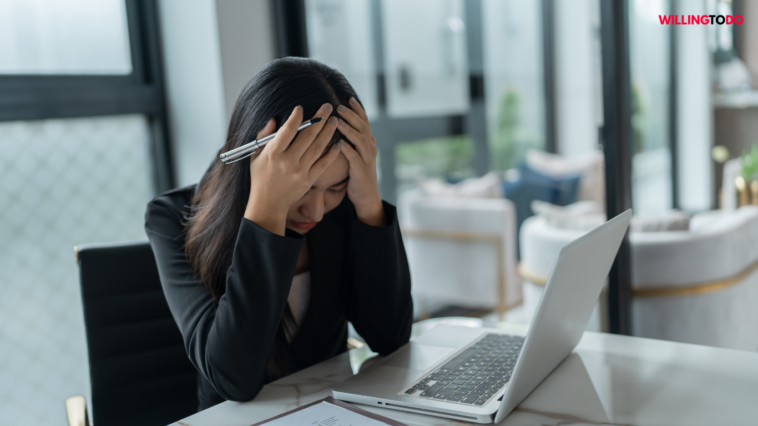
Stress is something almost everyone deals with. Some days it feels small. Other days it feels heavy and hard to handle. If you are trying to manage stress daily, you are already taking an important step toward a better life.
This guide will help you understand stress in a simple way. More importantly, it will show you what you can actually do about it. No complicated ideas. Just real, practical steps you can use every day.
Why Do We Feel So Stressed Today?
Life today moves fast. There is always something to do. Work, family, money, health, and expectations. It can feel like your mind never gets a break.
Many people feel:
- Constant pressure to keep up
- Overthinking about the future
- Mental tiredness even after rest
- Emotional ups and downs without a clear reason
If this sounds like you, you are not alone.
Stress becomes a problem when it stays with you every day. That is why learning simple stress coping methods is not just helpful. It is necessary.
What Does It Mean to Manage Stress Daily?
Managing stress daily does not mean removing stress completely. That is not realistic.
It means:
- Understanding your triggers
- Responding calmly instead of reacting emotionally
- Giving your mind regular breaks
- Taking small actions that protect your mental health
In simple words, it means staying in control even when life is not.
Why Is Daily Stress Control Important?
Short answer: because your body and mind are connected.
When stress stays for too long, it can affect:
- Sleep
- Focus
- Mood
- Relationships
- Physical health
Over time, it can lead to burnout or anxiety.
Daily stress control helps you:
- Think clearly
- Feel more stable
- Make better decisions
- Enjoy your life again
This is not just about feeling better. It is about living better.
How to Manage Stress Daily Step by Step

You do not need to change your whole life overnight. Start small. Stay consistent.
-
Start Your Day Calm, Not Rushed
Your morning sets the tone for your entire day.
Instead of checking your phone immediately:
- Sit quietly for 5 minutes
- Take slow breaths
- Think about 1 simple goal for the day
This small habit creates mental space.
-
Use Simple Breathing Techniques
When stress hits, your breathing changes. It becomes fast and shallow.
Try this:
- Inhale slowly for 4 seconds
- Hold for 4 seconds
- Exhale for 6 seconds
Do this for 2 to 3 minutes.
It tells your brain that you are safe.
-
Break Big Problems into Small Steps
Stress often comes from feeling overwhelmed.
Instead of thinking:
“I have too much to do”
Break it into:
- What is the next small task?
- What can I finish in 10 minutes?
Simple stress coping works best when things feel manageable.
-
Take Short Mental Breaks
Working nonstop increases stress.
Every 60 to 90 minutes:
- Stand up
- Walk for 2 to 5 minutes
- Stretch your body
This resets your mind.
-
Limit Overthinking
Overthinking is one of the biggest causes of stress.
When you notice it:
- Ask yourself: Is this useful right now?
- Shift your focus to something real
- Write your thoughts down instead of holding them
This helps reduce mental noise.
-
Use Relaxation Techniques Before Sleep
Your day should not end with stress.
Before bed:
- Avoid screens for 20 to 30 minutes
- Listen to calm audio or soft music
- Practice slow breathing
This improves sleep and lowers stress levels.
Real-Life Example
Ali is a working professional. He used to feel stressed every day.
His routine looked like this:
- Waking up late
- Rushing to work
- Skipping breaks
- Overthinking at night
He felt tired all the time.
Then he made small changes:
- Woke up 15 minutes earlier
- Started breathing exercises
- Took short breaks during work
- Reduced phone use before sleep
After 2 weeks, he noticed:
- Better focus
- Less anxiety
- Improved sleep
The key was not big changes. It was consistency.
Common Mistakes People Make
Many people try to manage stress, but they do it in ways that do not work long-term.
-
Ignoring Stress Completely
Pretending everything is fine does not fix the problem. It builds pressure inside.
-
Looking for Quick Fixes
Scrolling social media or watching videos may distract you. But it does not solve stress.
-
Overloading Yourself with Too Many Solutions
Trying 10 techniques at once creates more stress.
Keep it simple.
-
Not Taking Care of the Body
Sleep, food, and movement matter.
Without them, stress becomes harder to manage.
-
Being Too Hard on Yourself
Some days will still feel stressful. That is normal.
Progress is more important than perfection.
Expert Tips for Daily Stress Relief
These are simple but powerful habits that many experts recommend.
-
Keep a Simple Routine
Your mind feels safer with structure.
Try to keep:
- Fixed sleep time
- Fixed mealtime
- Regular work blocks
-
Stay Physically Active
You do not need a gym.
Even a 15-minute walk helps release stress.
-
Talk to Someone You Trust
Sometimes stress reduces just by sharing it.
Do not keep everything inside.
-
Reduce Information Overload
Too much news and content increases stress.
Limit what you consume.
-
Practice Gratitude
Every day, think of 2 to 3 things you are thankful for.
It shifts your focus from problems to positives.
Simple Stress Relief Tips You Can Use Anywhere
Quick answer style:
- Take 5 deep breaths
- Drink water slowly
- Step outside for fresh air
- Stretch your shoulders and neck
- Close your eyes for 2 minutes
These small actions create immediate relief.
Pain Points You Might Be Facing
Let’s be honest for a moment.
You might feel:
- “I cannot switch off my mind”
- “I feel tired even after resting”
- “I get irritated easily”
- “I feel stuck in the same cycle”
These are real struggles.
And they are not a sign of weakness.
They are a signal that your mind needs care.
Helpful Resource for Stress Support
If you want to explore more support options and mental health resources, you can visit
mentalhealthfirstaid.
It provides useful information and guidance for managing mental health challenges.
How This Connects to the Bigger Strategy
Managing stress daily is just one part of a bigger picture.
To build a calm and balanced life, you need:
- Better habits
- Strong mindset
- Emotional awareness
- Long -termstrategies
If you want to go deeper and build a complete system for handling stress, you should explore the complete guide to managing stress in daily life.
That guide connects all the pieces together and helps you create a long-term plan.
When Should You Consider Expert Help?
Sometimes, stress becomes too much to handle alone.
You should consider support if:
- Stress is affecting your sleep regularly
- You feel anxious most of the time
- You cannot focus on daily tasks
- You feel emotionally overwhelmed
Talking to a professional is not a big step. It is a smart one.
If you feel stuck, it is okay to speak with an expert and get help.
Conclusion
Stress is part of life. But suffering from it every day does not have to be.
You do not need perfect control. You need simple, consistent actions.
Start with:
- Calm mornings
- Better breathing
- Small breaks
- Less overthinking
These small steps can change how you feel every day.
Take it slow. Stay consistent. You will notice the difference.
FAQs
-
How can I manage stress daily in a simple way?
Start with breathing exercises, short breaks, and reducing overthinking. Keep your routine simple and consistent.
-
What are quick stress relief tips?
Deep breathing, walking, stretching, and drinking water can help reduce stress quickly.
-
Why do I feel stressed every day?
It can be due to workload, overthinking, lack of rest, or emotional pressure.
-
Can stress affect my health?
Yes. Long-term stress can affect sleep, mood, and physical health.
-
When should I seek help for stress?
If stress affects your daily life, sleep, or emotions regularly, it is a good idea to talk to a professional.