
 Harriet Wetton
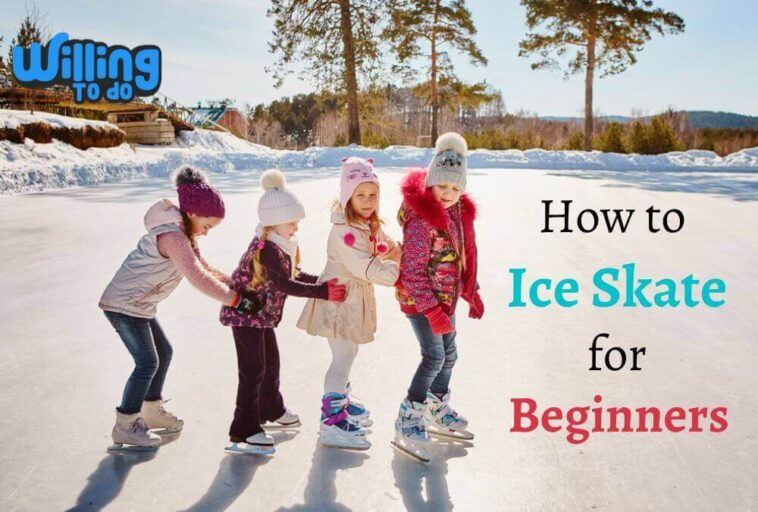
The experience of learning to Ice Skate is incredibly fulfilling. It blends a unique feeling of achievement with vigorous physical exercise that challenges your core and coordination.
If you have the proper gear, a positive outlook, and a willingness to accept that mistakes are part of the process, you can quickly learn the fundamentals of gliding.
After you gain confidence and start with easy stages, you will be prepared to take on increasingly challenging tasks on the ice. In this guide, we will break down exactly how to transition from a total beginner to a confident skater.
At first, learning to Ice Skate might seem daunting, especially when you see experienced skaters zooming past at high speeds. However, it is actually much easier than it looks once you understand the physics of your blades.
You will be skating across the rink in no time if you have a pair of well-fitting skates, a strong sense of balance, and a good amount of willpower. Don’t be disheartened if you fall during your first attempts.
It is an inevitable part of learning, much like when you first learn how to roller skate. Every fall is just a lesson in how to find your center of gravity again.
Choosing the Right Gear to Ice Skate Successfully
Having the proper gear is essential before you take on the ice. Your skating objectives, such as playing hockey, figure skating, or casual gliding, will determine the kind of skates you select.
Using the wrong equipment can make the learning curve much steeper and even lead to unnecessary blisters or foot pain. To assist you in making an informed decision, let’s examine the distinctions between figure skates and hockey skates in detail.
Hockey Skates for Speed and Agility
- Design: Especially helpful for blocking pucks, the larger boot offers better protection and a stiffer shell.
- Blade: A rounded skate blade made for speed, quick turns, and rapid acceleration.
- Material: Usually synthetic, such as plastic or composite, and very lightweight to allow for fast footwork.
Figure Skates for Stability and Precision
- Design: A taller, thinner boot that often reaches higher up the ankle for specific support.
- Toe Pick: This is a small jagged notch in the front of the blade used for spins and jumps. For beginners, you have to be careful not to trip on it!
- Material: Usually made of leather, which provides longevity and a timeless appearance while molding to your foot over time.
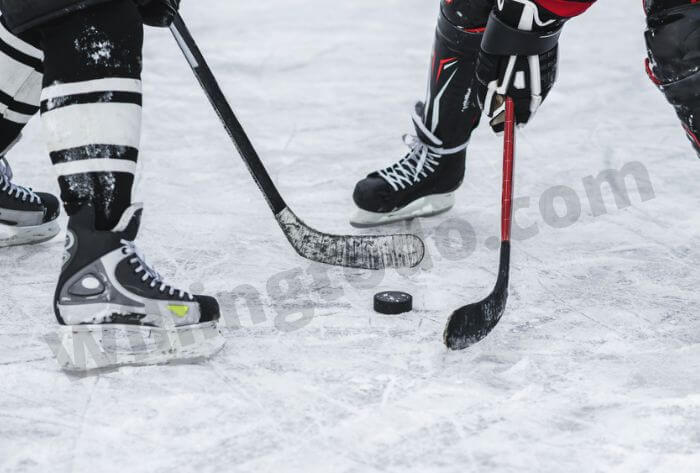
Often, figure skates are a better option for novices. They provide more balance because of their longer, flatter blades which cover more surface area on the ice. If you are not interested in playing hockey and just want to learn the fundamentals, figure skating boots offer a stable platform.
Beyond the skates, you should consider the clothing you wear. Dress comfortably in light layers rather than one heavy coat. This allows you to stay warm while maintaining a full range of motion.
Thick socks are great for warmth, but make sure they aren’t so thick that they cut off circulation in your skates.
Safety should be your top priority. Beginners are encouraged to wear protective gear like elbow pads, knee pads, and even a helmet. Feeling safe allows you to push your limits without the fear of a hard impact.
If you’re looking for other ways to stay active while learning new skills, you might also want to see how to do swimmer exercises to build the core strength needed for better balance.
Your First Time on the Ice Skates: Building a Foundation
Making your first foray onto the ice can be intimidating. The surface is slicker than anything you have walked on before. To ease yourself into it, start by holding onto the railing around the perimeter.
This allows you to acquire a sense of the slick surface and lets you learn how your skates feel when they meet the ice. It is all about building “muscle memory” and getting used to the sensation of gliding rather than walking.
How to Find Your Balance
- Start by clinging to the edge or supporting yourself with a “skating aid” or chair if the rink provides them.
- Keep your feet parallel and shoulder-width apart. This creates a stable base.
- Learn how the ice feels under your blades by shifting your weight slightly from left to right while holding the rail.
Step away from the railing gradually once you feel stable. Keeping your knees slightly bent is the “golden rule” of ice skating. It helps center your gravity and acts as a shock absorber. If your legs are straight and stiff, you are much more likely to tip over.
Think of your knees as springs that stay flexible and ready to move. This is a great habit to form early on, much like how you would stay hydrated throughout the day to keep your muscles functioning at their best during physical activity.
Learning to Move and Glide
Once you are away from the wall, it is time to move. Do not try to “walk” on the ice as you do on pavement. Instead, think of it as a marching motion or a “scoot.”
- Turn your toes slightly outward to form a small “V” shape with your feet.
- Push forward slowly with one leg while shifting your weight to the other.
- Use your left and right legs alternately to generate momentum.
- For added speed and a smoother experience, push alternately and then let both feet glide together for a few seconds.
It takes time and effort to Ice Skate well, just like riding a bike or learning a new sport. Even experienced skaters fall periodically.
It is a normal part of the practice and shows that you are pushing yourself. To make the process less stressful, you should learn the proper way to fall before you actually do.
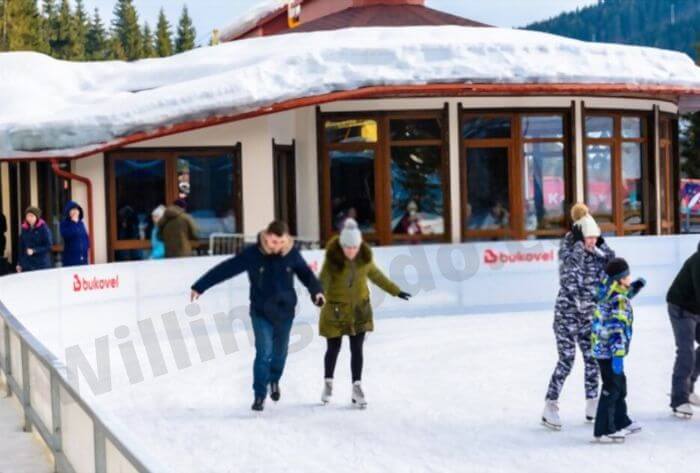
How to Fall and Get Back Up Safely
- Bend Your Knees: As soon as you feel yourself losing balance, lower yourself into a squat. The closer you are to the ice, the less it hurts if you hit it.
- Avoid Using Hands: This is the hardest rule to follow. Try not to reach out with your palms to catch yourself, as this can lead to wrist injuries.
- Fall to the Side: Lean to one side and try to land on the “meatiest” part of your thigh or hip. Keep your hands tucked in near your chest.
- Getting Up: Once you are down, get onto your hands and knees. Place one foot flat on the ice between your hands, then the other, and push yourself up into a crouch.
Practicing falling and getting back up actually builds a lot of confidence. Once you realize that falling isn’t the end of the world, the fear disappears, and you can focus on your technique. This mental toughness is a key part of glowing up mentally and physically as you master new challenges.
The Art of Stopping on Skates
Stopping is the next crucial ability to learn after you have mastered gliding. While it is enjoyable to Ice Skate around the rink indefinitely, being able to stop will improve your control and help you avoid collisions with other skaters. There are several ways to stop, but the “Snowplow Stop” is the easiest for beginners to learn.
Steps to Perform a Snowplow Stop:
- Slow Down: Stop pushing and let yourself glide naturally to reduce your speed.
- Position Your Feet: While gliding, slowly turn your toes inward toward each other.
- Apply Pressure: Push the inside edges of your blades out against the ice. You should feel like you are “shaving” the top layer of the ice.
- Stay Low: Keep your knees bent and your back straight. This keeps you stable as the friction brings you to a halt.
The stopping method is very similar to the “pizza” or “wedge” action used in beginner skiing. Continue practicing this until you can stop smoothly without wobbling.
Once you master this, you can look into more advanced techniques like the “T-stop” or the “Hockey Stop,” which involves turning your blades perpendicular to your path of travel at high speeds.
Building Confidence and Advancing Your Skills
As you gain confidence on the ice, you may concentrate on honing your speed and fluid movements. Being a confident skater requires constant practice and a relaxed mindset.
You will find that as your muscles get stronger, you can stay on the ice for longer periods without getting tired. This is a great form of cardiovascular exercise, similar to how you might build a morning routine for energy to stay active throughout the week.
Once the basics feel like second nature, you can attempt increasingly difficult maneuvers. Backward skating, for example, involves moving your feet in a “C” shaped pattern.
You can also practice “crossovers,” where you cross one foot over the other while turning. These skills take time, but the journey of improvement is what makes the sport so addictive.
Expert Tips for Rapid Improvement:
- Practice Regularly: You will get better faster the more you skate. Try to visit the rink at least once a week to keep your skills sharp.
- Look Ahead: Do not look down at your feet. Looking down shifts your weight forward and makes you more likely to trip. Keep your head up and look where you want to go.
- Stay Relaxed: Avoid rigid motions. Keep your arms out slightly for balance, but keep your shoulders and torso loose.
- Seek Guidance: For individualized advice, consider enrolling in a “Learn to Skate” program. Having a coach point out small errors in your posture can save you months of frustration.
Consistency is everything. Whether you are learning to Ice Skate for fun, for fitness, or because you want to join a local hockey league, the time you spend on the ice is never wasted.
For more tips on improving your overall coordination and lifestyle, check out our guide on how to be the best employee, where we discuss the importance of discipline and focus.
Why Ice Skating is Good for Your Health
Beyond the fun of gliding, there are massive health benefits to this hobby. It is a low-impact exercise, meaning it is easier on your joints than running on concrete. It builds incredible lower body strength, specifically targeting your glutes, hamstrings, and calves.
Additionally, the constant need to stay upright improves your balance and proprioception (your body’s ability to sense its position in space).
Mentally, it is a great stress reliever. There is something peaceful about the sound of blades cutting through ice and the cool air of the rink. It requires your full attention, which helps you “unplug” from the stresses of daily life.
If you are focused on not falling, you aren’t focused on your emails or chores! This kind of mental reset is vital for managing stress in daily life.
Final Thoughts on Your Skating Journey
Acquiring the skill of how to Ice Skate is a deeply rewarding experience. It blends physical exercise with a genuine sense of achievement every time you master a new turn or stop.
You may quickly become proficient at the fundamentals if you have the right skates, a positive outlook, and the ability to accept that falls are just stepping stones.
You will soon be prepared to take on more thrilling challenges on the ice if you start with easy steps and build your confidence over time.
Whether you are skating on a frozen pond in the winter or at an indoor rink in the middle of summer, the joy of movement remains the same. Enjoy every glide, turn, and twist as you embrace the love of skating!
Frequently Asked Questions (FAQs)
1. How should I dress for the ice rink?
You should dress in loose-fitting, layered apparel that allows for a full range of motion. Avoid jeans if possible, as they become heavy and cold if they get wet.
Remember to bring gloves to protect your hands from the ice, a warm hat, and medium-thickness socks. Beginners should also consider a helmet and pads for safety.
2. Can I rent skates at the rink or should I buy my own?
Most public rinks offer skate rentals. This is a great way to start without a big financial commitment. However, rental skates are often worn out.
If you plan to Ice Skate more than once or twice a month, buying your own pair will provide better support and a more consistent fit, which makes learning much easier.
3. How do I know if my ice skates fit correctly?
Your skates should fit snugly but not painfully. When you are standing with your skates laced, your toes should just barely touch the front.
Your heel should stay firmly in place and not lift up when you move. If your foot is sliding around inside the boot, you won’t have the control you need to balance properly.
4. How long does it take for a beginner to learn to skate?
While everyone is different, most beginners can learn to glide and do a basic stop within 2 to 4 sessions. To feel truly “comfortable” and move with speed, it usually takes about 10 to 15 hours of ice time. Consistency is more important than the length of each session.
5. Is ice skating safe for young children?
Yes, it is very safe and fun for kids. Many rinks have specialized “bobskates” (with two blades) for toddlers or skating aids for older children. As long as they wear a helmet and are supervised, it is an excellent way for them to develop motor skills and confidence from a young age.
6. Is it harder to ice skate or roller skate?
This depends on your personal balance. Many people find the thin blade of an ice skate more intimidating at first, but the “glide” on ice is smoother. If you already know how to roller skate, you will likely find the transition to ice much faster because the balancing muscles are very similar.