

 Willing To Do

Helping a child learn at home can feel confusing at first.
Many parents want to help their children succeed in school. Yet they are not always sure what to do after homework begins or when lessons move online. Some worry they are not teachers. Others feel their child loses focus, gets frustrated, or spends too much time on screens.
If this sounds familiar, you are not alone.

Many families struggle with the same questions.
How can I support my child learning at home without pressure?
How do I build good study habits for kids?
How can I create a learning environment that actually works?
The good news is that supporting your child’s learning does not require complicated teaching skills.
What matters most is consistency, patience, and the right environment.
Small daily actions from parents can build confidence, curiosity, and strong study habits that last for years.
In this guide, you will learn simple and practical ways to support child learning at home. You will also understand how learning habits develop, what mistakes to avoid, and how to create a home where children naturally enjoy learning.
By the end, you will feel more confident helping your child grow academically and emotionally.

What Does It Mean to Support Child Learning at Home?
Supporting a child’s learning at home means creating conditions that help them understand, practice, and enjoy learning.
It does not mean replacing teachers.
Instead, parents act as guides.
You help your child stay organized.
You encourage curiosity.
You provide a safe space where questions are welcome.
Children learn best when school and home work together.
When parents show interest in learning, children usually become more motivated.
Even simple actions make a big difference.
Examples include:
- Asking what they learned today
• Helping them plan homework time
• Reading together
• Encouraging problem solving
Learning support also includes emotional support.
Children often feel pressure from schoolwork. They may worry about making mistakes.
When parents stay calm and supportive, children feel safer trying new things.
Why Supporting Learning at Home Matters
Children spend only part of their day at school.
A large part of their learning happens at home.
Research shows that children with active parental support often perform better in school and develop stronger confidence.
Home learning support helps children:
- Build independence
• Develop focus and discipline
• Improve reading and thinking skills
• Feel motivated to learn
• Handle academic challenges
It also strengthens the parent child relationship.
When children feel their parents care about their progress, they feel valued.
This emotional support can sometimes matter more than academic help.
In fact, many education experts say the most powerful thing a parent can do is simply stay involved.
Websites that focus on educational strategies and digital learning have also highlighted the importance of family support in learning success. For example, discussions about online learning engagement on b2bmarketing emphasize how structured guidance and clear learning environments improve knowledge retention, even outside traditional classrooms.
This idea applies strongly to home learning as well.
Structure and encouragement create powerful learning conditions.
How to Support Child Learning at Home Step by Step
Supporting learning does not need to be complicated.
These steps help parents create a strong foundation.
-
Create a Daily Learning Routine

Children thrive on routine.
A predictable schedule helps them know when it is time to focus and when it is time to relax.
A simple routine might include:
Morning
School or lessons
Afternoon
Homework time
Evening
Reading or review
Routine reduces stress and improves focus.
It also helps children manage their time better.
-
Create a Dedicated Learning Space
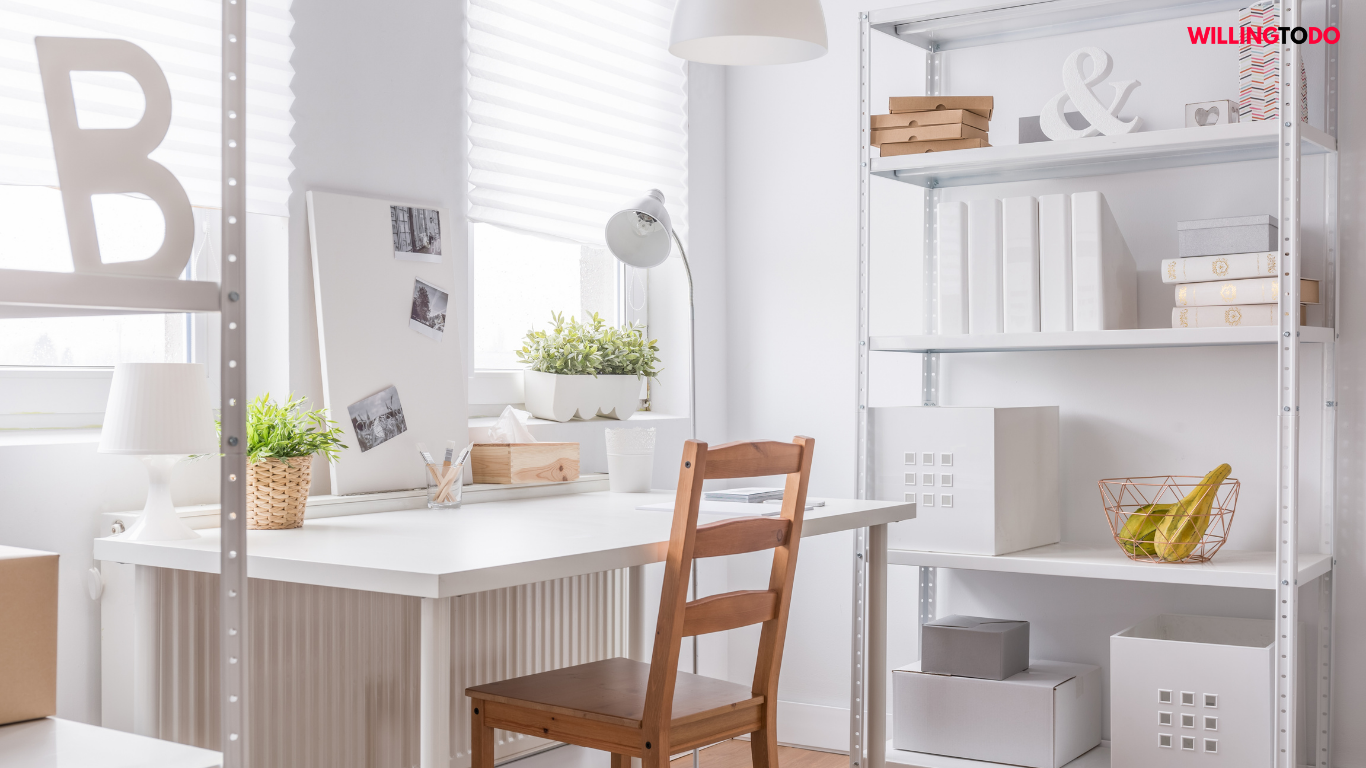
Children focus better when they have a specific place to study.
This space does not need to be large.
A small desk or quiet corner works well.
Try to keep the space:
- Quiet
• Well lit
• Organized
• Free from distractions
When children sit in the same place for learning, their brain begins to associate that space with focus.
This builds stronger study habits.
-
Encourage Questions
Curiosity is the heart of learning.
Instead of giving answers immediately, ask your child questions like:
What do you think the answer could be?
How would you solve this problem?
This helps them develop critical thinking.
Children feel proud when they find solutions themselves.
-
Make Reading a Daily Habit
Reading strengthens nearly every academic skill.
Even 20 minutes of daily reading can improve vocabulary, imagination, and concentration.
Parents can support this by:
Reading together
Visiting libraries
Choosing books that match the child’s interests
Over time, this builds a natural love for books.
-
Celebrate Effort, Not Just Results
Children sometimes fear failure.
When parents only praise high grades, children may avoid difficult tasks.
Instead, praise effort.
For example:
“I like how hard you worked on this problem.”
This teaches resilience.
Children learn that mistakes are part of learning.
Real Life Example of Learning Support at Home
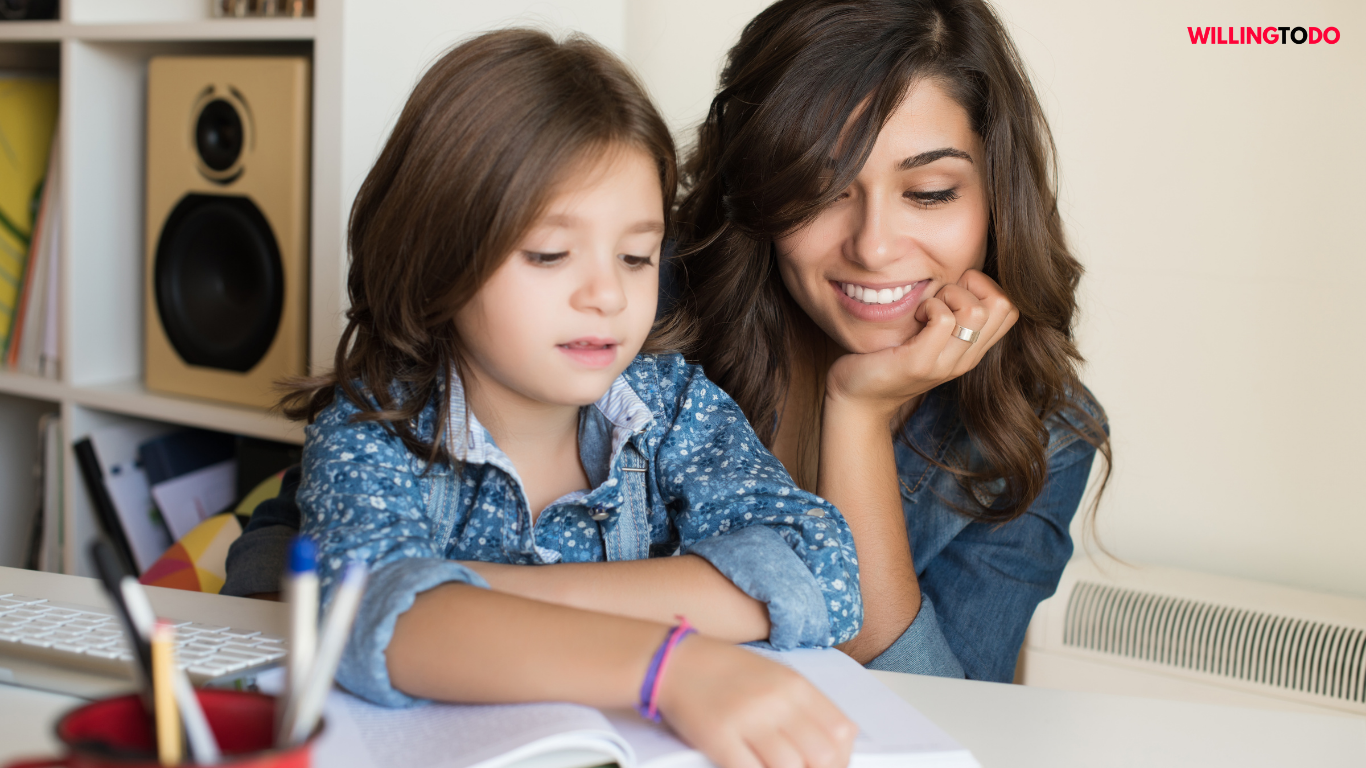
Consider a child named Sara.
Sara struggled with math homework every evening. Her parents noticed she became frustrated quickly.
Instead of pushing her harder, they changed their approach.
They created a daily study time after dinner. They also set up a quiet desk near a window.
During homework, her parents asked guiding questions rather than giving answers.
They praised her efforts.
Within a few weeks, Sara became more confident.
Her grades improved gradually.
More importantly, she stopped fearing math.
This example shows how small changes can transform a child’s learning experience.
Common Mistakes Parents Make When Supporting Home Learning
Even caring parents sometimes make mistakes without realizing it.
Avoiding these mistakes can make learning smoother for everyone.
-
Doing Homework for the Child
Many parents step in too quickly.
When adults complete assignments, children lose the chance to learn.
Support them. Guide them. But let them think.
-
Creating Too Much Pressure
Constant pressure can damage motivation.
Children need encouragement, not fear.
Balance expectations with understanding.
-
Ignoring Emotional Challenges
Sometimes learning problems are emotional.
A child who feels anxious or tired cannot focus well.
Listening carefully to your child’s feelings often solves hidden learning issues.
-
Too Many Distractions
Television, phones, and games easily break concentration.
Limiting these during study time improves productivity.
This is especially important when trying to reduce screen time for kids.
-
Comparing Children to Others
Every child learns at a different pace.
Comparisons reduce confidence.
Focus on your child’s personal progress.
Advanced Strategies to Improve Home Learning
Once basic habits are in place, parents can use deeper strategies to strengthen learning.
Encourage Independent Problem Solving
Instead of providing solutions, guide your child to discover them.
Ask questions like:
What is the first step?
Where could we find information?
This builds independence and stronger thinking skills.
Break Large Tasks Into Smaller Steps
Big assignments feel overwhelming.
Teach children to divide work into smaller pieces.
For example:
Research
Outline
Draft
Review
This approach reduces stress and improves productivity.
Teach Time Management
Time management is a skill children must learn gradually.
Help your child plan homework with a simple schedule.
Use timers or checklists.
This builds responsibility.
Support Focus and Concentration
Some children struggle to stay focused.
Short study sessions often work better.
A good pattern is:
25 minutes study
5 minutes break
This technique keeps the brain fresh and helps improve your child focus and concentration.
Encourage Learning Through Real Life
Learning does not only happen with books.
Cooking teaches math.
Shopping teaches budgeting.
Gardening teaches science.
These real experiences help children understand how knowledge works in everyday life.
Creating a Positive Learning Environment at Home

A supportive environment makes learning easier.
Children feel safe, motivated, and curious.
Parents can improve the home learning environment in simple ways.
Keep learning materials organized.
Provide books, pencils, paper, and educational tools within reach.
Show enthusiasm for learning.
When children see parents reading, exploring ideas, and asking questions, they often copy that behavior.
A positive learning environment also includes emotional safety.
Children should feel comfortable sharing mistakes and asking questions.
This emotional support is the foundation of strong learning.
Families who focus on communication often notice better academic performance as well as stronger relationships.
Supporting Emotional and Social Development
Academic success is only one part of learning.
Children also need emotional intelligence.
When parents talk openly with children about feelings, it helps them manage stress and build resilience.
Learning improves when children feel emotionally secure.
Strong parent child communication also helps parents understand when children are struggling.
Simple daily conversations build trust.
Ask questions like:
What was the best part of your day?
What was difficult today?
These conversations reveal challenges early.
Helping Children Stay Motivated to Learn
Motivation is one of the biggest challenges in home learning.
Children lose interest when learning feels boring or forced.
Parents can boost motivation by:
Giving children some control over their learning
Letting them choose books or projects
Setting achievable goals
Celebrating progress
When children feel ownership over learning, their enthusiasm grows.
Many parents also discover that creativity improves motivation.
Projects, experiments, and storytelling activities make learning exciting.
Balancing Technology and Learning
Technology can support learning, but it can also distract.
Parents should guide how children use devices.
Educational apps and online lessons can be useful.
However, too much screen time reduces attention span and sleep quality.
Setting clear rules helps.
For example:
Devices off during homework
Screens limited before bedtime
These boundaries protect both learning and health.
When Parents Should Seek Extra Help
Sometimes children need additional support.
If a child continues struggling despite consistent help, professional guidance may be useful.
Signs include:
Constant frustration with homework
Major drops in grades
Difficulty concentrating
Avoiding schoolwork entirely
In these cases, teachers, tutors, or learning specialists can help identify solutions.
Parents can also explore educational resources and guidance platforms like WillingToDo
These types of platforms often share helpful insights about learning strategies, family support, and personal development.
Parents who want to understand the mission and background of such educational initiatives can also review their story and philosophy.
Learning is a journey, and sometimes outside guidance provides fresh perspectives.
Future Trends in Home Learning
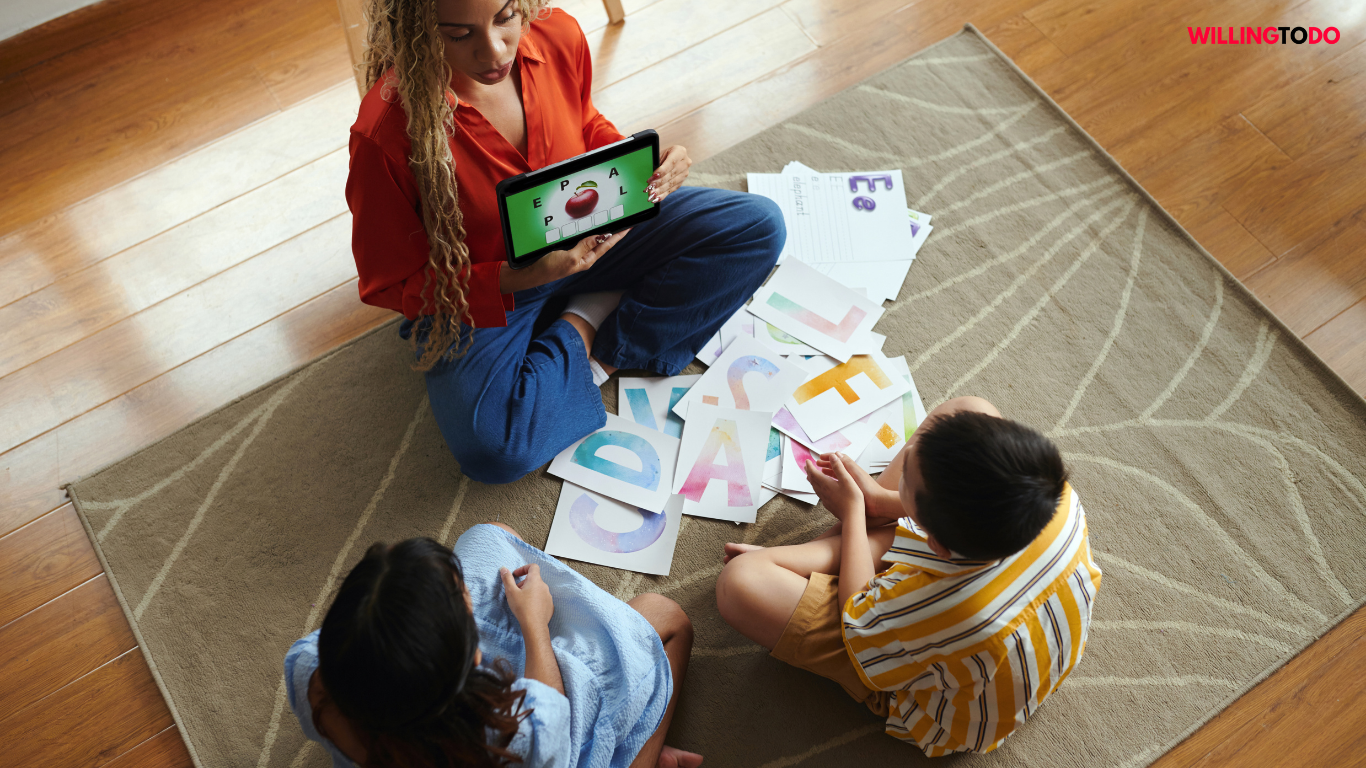
Education is changing quickly.
Technology, online classes, and hybrid learning are becoming common.
This means home learning support will become even more important.
Future learning trends include:
More digital learning platforms
Personalized education tools
AI supported tutoring systems
Interactive educational apps
While technology will play a larger role, the importance of parents will never disappear.
Children still need encouragement, structure, and emotional support.
Parents remain the most important influence in a child’s learning journey.
Conclusion
Supporting your child learning at home is not about becoming a teacher.
It is about creating the right environment, habits, and encouragement.
When children feel supported, they become more confident learners.
Small actions matter.
A quiet study space.
Daily reading time.
Encouraging conversations.
Over time, these simple steps build strong learning habits.
Most importantly, remember that every child learns differently.
Patience, consistency, and kindness will always produce better results than pressure.
Your support today can shape your child’s confidence and curiosity for life.
Frequently Asked Questions
How can parents support child learning at home?
Parents can support learning by creating routines, providing a quiet study space, encouraging questions, reading together, and praising effort rather than just grades.
How many hours should kids study at home?
It depends on age. Younger children often need 20 to 40 minutes of focused study, while older children may need 1 to 2 hours including homework and review.
What is the best learning environment for kids?
The best environment is quiet, organized, well lit, and free from distractions like television or mobile phones.
How do I motivate my child to study?
Motivation improves when children feel encouraged, have some control over their learning, and receive praise for effort and progress.
What should parents avoid during homework time?
Parents should avoid doing homework for the child, creating excessive pressure, comparing children to others, and allowing distractions.
Is screen time harmful for learning?
Moderate screen time can support learning if used for educational purposes, but excessive screen time can reduce focus and sleep quality.
How can I improve my child’s focus?
Use short study sessions with breaks, remove distractions, maintain routines, and encourage activities that build concentration like reading and puzzles.