
 Harriet Wetton
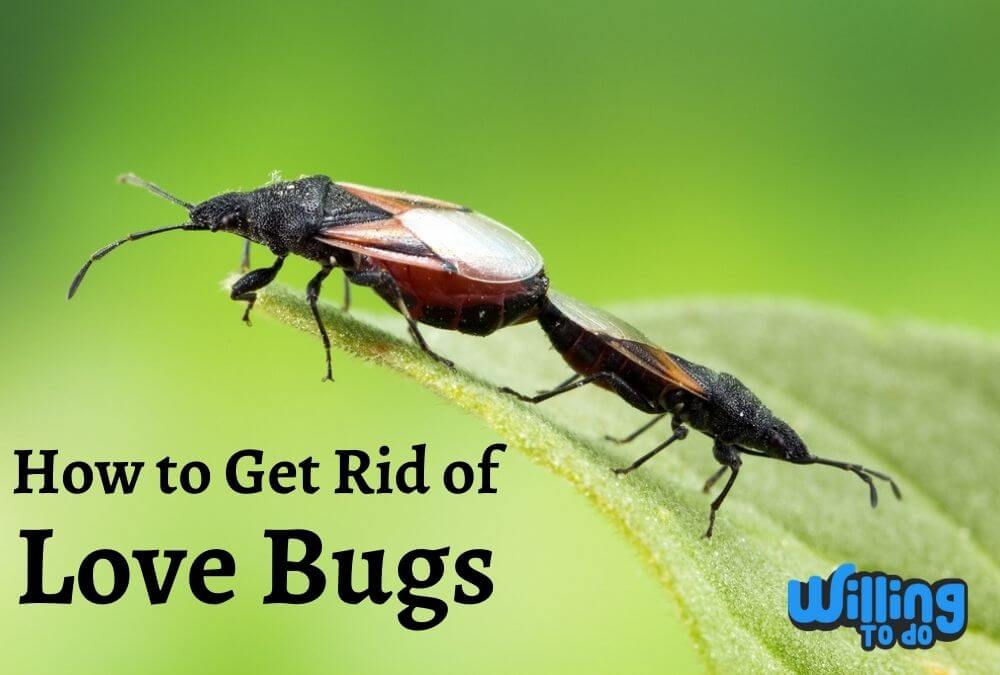
The love bugs are airborne swarms of late spring and late summer that can quickly turn a pleasant afternoon into a frustrating cleaning chore. While the main nuisance of the love bug is neither a bite nor a sting, it is their slightly acidic body chemistry that causes real problems.
These insects irritate anyone they encounter simply due to their sheer numbers and the mess they leave behind on homes and vehicles.
In this guide, we look at several proven methods that act as a total solution regarding how to get rid of love bugs and protect your property from their seasonal invasions.
The Lovebug (Plecia nearctica) is a member of the class of march flies. It has a small, black velvety body with a distinct touch of red on the thorax. The name is self explanatory because these insects remain coupled for many days during and after mating, even while in flight.
You might hear them called honeymoon flies, telephone bugs, or double headed bugs. They are found in enormous numbers across the Gulf States, especially in Alabama, Texas, Florida, Louisiana, and Mississippi. Their peak activity usually occurs from March to April and again in September.
Since love bugs are primary airborne, they move into houses and around cars via the wind and their own flight patterns. There are significant signs of infestation that every homeowner should watch for.
It is essential to prevent these insect masses before they take over your living space. Let us take a close look at exactly how to get rid of love bugs through environmental management, home protection, and vehicle care.
Understanding the Love Bug Lifecycle and Environment
Lovebugs are a segment of our natural ecosystem because their larvae brood on small, decaying organic matter. This process helps sustain the natural cycle by breaking down debris.
For example, dry weather conditions help dry out the thatch where these bugs live. However, because they appear in such overwhelming clouds, they often become more of a pest than a benefit to local residents.
As mentioned, the larvae thrive on decaying organic matter. If the larvae encounter certain parasitic fungi, it can lead to a natural decrease in their population. Because their bodies are naturally acidic, most typical insectivores choose not to feed on adult love bugs.
However, some predators like earwigs, specific beetles, millipedes, centipedes, and spiders will occasionally devour them.
A few birds like quail and robins also eat them in their juvenile and adult forms. If these natural predators do not keep the numbers down, you must take matters into your own hands to protect your home.
Clear Out Love Bugs in the Environment
Managing the area around your home is the first step in learning how to get rid of love bugs effectively. If you live in an area prone to swarms, your yard is likely the primary breeding ground.
Love bugs love moisture and decaying plant material, so keeping a tidy landscape is your best defense.
Start by removing any piles of grass clippings or fallen leaves. These damp environments are perfect for females to lay eggs. By keeping your lawn well mowed and free of debris, you remove the “nursery” these bugs need to multiply.
It is also wise to minimize watering during peak swarm months. Love bugs prefer sticky or damp surfaces for egg laying, so a drier lawn is much less attractive to them.
Clear Out Love Bugs in House Areas
When we discuss living in the Gulf States, the question of how to get rid of love bugs inside and around the home is a common concern.
Since these bugs do not live long, your goal is to prevent them from entering and to make the interior of your home as uninviting as possible. You can maintain a comfortable living space by following these specific tips.
Protecting the Outside of Your House
The lawn is the main entrance path for love bugs. Beyond mowing, you should pay attention to your home’s exterior features. Love bugs are naturally attracted to bright colors and certain smells.
If you are planning a home improvement project, try to avoid fresh paint during the swarm season. The fumes from fresh paint are a massive magnet for these insects.
Keep your doors and windows closed as much as possible. If you enjoy fresh air, ensure your screens are in perfect condition with no small holes.
Additionally, park your vehicles away from your home entrances. The heat and exhaust fumes from a car engine can attract swarms right to your doorstep.
Effective Strategies Inside the House
If love bugs do manage to get inside, there are several ways to deal with them. These insects are attracted to light and bright surfaces. Choosing darker colors for your interior decor or keeping curtains drawn during peak daylight hours can help.
If you are a professional painter, you likely already know that light shades help you see the bugs, but they also attract them more than dark shades do.
One of the simplest mechanical solutions is using a ceiling fan. Turning on fans at high speeds creates air currents that make it very difficult for these weak fliers to land or stay in a room.
For more direct control, you can use vacuum cleaners to quickly remove swarms from walls or ceilings without smearing their acidic remains. Mosquito killing mats or sticky trappers placed near entry points are also helpful gadgets for a bug free home.
How to Make a Natural Insect Resistant Spray
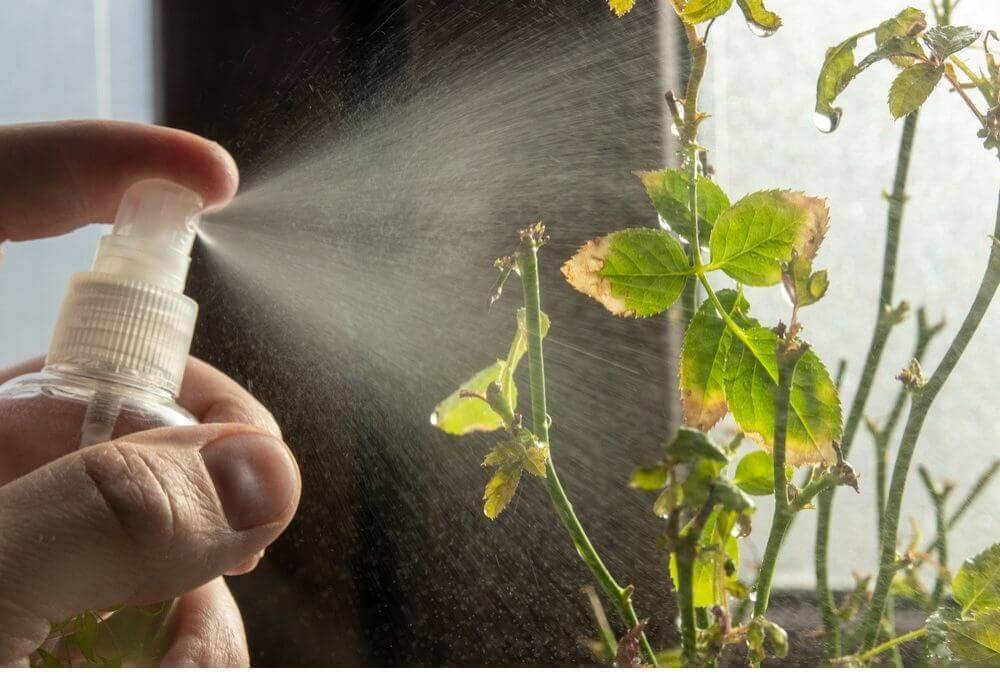
If you prefer a DIY approach to how to get rid of love bugs, you can create a very effective spray at home using basic household items. This solution is safe for most plants and surfaces when used correctly.
- Take 1 cup of warm water.
- Add 2 to 3 tablespoons of a citrus scented soap (orange or lemon works best).
- Add 3 tablespoons of mouthwash.
Mix these ingredients into a homogeneous solution and pour it into a spray container. You can spray this around your doors, windows, and even on your porch plants. The citrus scent acts as a natural deterrent that love bugs find deeply unappealing, helping to keep them away from your entryways.
Elimination of Love Bugs Around Automobiles
Perhaps the most famous problem with these insects is their impact on cars. If you have ever driven through a swarm, you know that how to get rid of love bugs on your vehicle is a top priority to prevent permanent paint damage.
Their bodies are acidic, and if left in the sun, they can actually eat through your car’s clear coat in just a day or two.
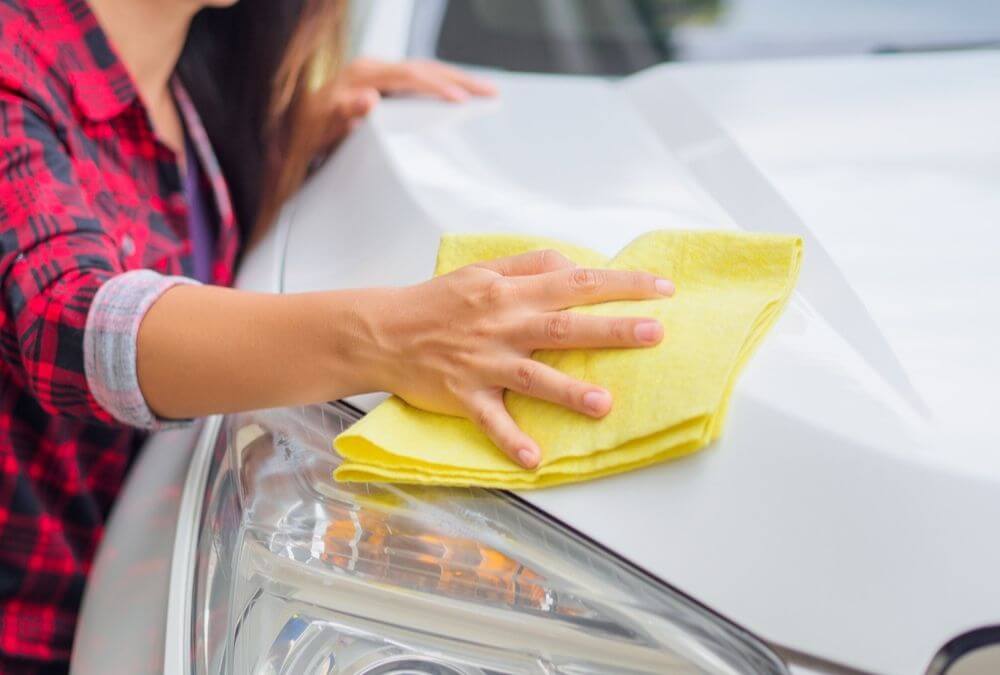
To protect your car, start with a fresh coat of wax. A well waxed car has a slippery surface that makes it harder for bugs to stick and much easier to wash them off later.
Some people even use a light coating of baby oil on the front hood and side mirrors to prevent the bugs from bonding to the surface. If you are traveling through the Gulf States during April or September, try to wash your car as soon as you reach your destination.
If they remain for more than an hour or two, they become dried and very difficult to remove without specialized engine cleaners or degreasers like WD-40.
Driving speed also plays a role. Traveling at lower speeds reduces the impact force, which means fewer bugs will splatter across your windshields and radiator grills.
If you are heading out on a long trip, consider installing a bug screen or “bra” on the front of your vehicle to catch the brunt of the swarm.
Practical Tips for a Stress Free Love Bug Season
Managing these pests requires a proactive mindset. Beyond the specific cleaning methods, you can also adjust your schedule. Love bugs are most active during the middle of the day when the sun is out and temperatures are warm.
If you can plan your outdoor chores or car trips for the early morning or late evening, you will encounter significantly fewer swarms. This simple shift in timing can be one of the most effective answers for how to get rid of love bugs without using any chemicals at all.
When cleaning bugs off your home or car, always use plenty of water. Because their body chemistry is acidic, you want to neutralize that acidity and soften the remains before scrubbing.
Using a wet dryer sheet is a popular “hack” for removing bugs from car bumpers without scratching the paint, though you should always test a small area first to be safe. Staying consistent with these small habits will ensure your property remains in great condition throughout the year.
Conclusion
This guide provides a comprehensive look at how to get rid of love bugs through environmental control, home maintenance, and vehicle protection.
While love bugs are a natural part of the ecosystem in places like Texas and Florida, they do not have to ruin your property or your peace of mind.
By keeping your lawn tidy, using natural sprays, and being diligent about car care, you can navigate the swarm seasons with ease. Follow these best approaches and you will no longer be agonized by these uninvited seasonal guests.
Frequently Asked Questions
Is it possible to completely eliminate love bugs from my house?
While it is difficult to eliminate them from the entire region, you can definitely keep them out of your house.
By keeping your lawn mowed, removing decaying organic matter, and ensuring your windows and doors are sealed, you create a barrier. Using a citrus based spray near entrances also helps deter them from coming inside.
How do I get rid of love bugs on my car without damaging the paint?
The key is speed and moisture. Wash the bugs off as soon as possible before they dry in the sun. Using a high quality car wax before the season starts creates a protective layer.
If they are already stuck, use a specialized bug remover or a soaked dryer sheet to gently lift the remains without aggressive scrubbing.
Do love bugs bite or sting humans or pets?
No, love bugs do not bite or sting. They do not have any venom and are not known to transmit any diseases. Their only real threat is to the paint on your car and the general annoyance caused by their large numbers in the air.
What is the best time of day to avoid love bug swarms?
Love bugs are most active during the daylight hours, especially when it is warm and sunny. They usually settle down at night and are less active in the very early morning.
If you need to drive or work outside, doing so during the cooler parts of the day will help you avoid the largest swarms.
Why are there so many love bugs in Florida and Texas?
The climate in the Gulf States is perfect for love bugs. They thrive in heat and humidity, and the abundance of lush, decaying vegetation provides the perfect food source for their larvae. This leads to the massive biannual outbreaks seen in late spring and late summer.
Does citrus really work to repel love bugs?
Yes, love bugs are sensitive to certain scents, and citrus is one of the most effective natural repellents. Using citrus scented soaps in a water solution or planting citrus trees can help reduce the number of bugs that congregate in a specific area of your yard.
Check out our other helpful guides on maintaining your home and lifestyle, such as how to get rid of paint smell or learning how to get a job on Fiverr to boost your professional career.