
 Lisa Willams

Life can feel heavy sometimes.
You wake up tired. Your mind keeps running. Small problems feel big. Even when everything looks fine from the outside, inside, you may feel stressed, stuck, or just not okay.
You are not alone.
Many people want to improve mental wellbeing but do not know where to start. The good news is this. You do not need big changes. You need small, simple actions that you can do every day.
In this guide, you will learn practical and easy ways to feel better, think clearer, and live with more calm and balance.

What Does It Mean to Improve Mental Wellbeing?
Improving mental wellbeing means taking care of your thoughts, emotions, and daily habits so you feel more stable, peaceful, and in control.
It is not about being happy all the time.
It is about:
- Handling stress better
- Feeling emotionally balanced
- Having a clear mind
- Building positive daily habits
Mental wellbeing is like your inner strength. When it is strong, life feels easier to manage.
Why Does Mental Wellbeing Matter So Much?
Your mental health affects everything.
It affects:
- Your relationships
- Your work performance
- Your sleep
- Your physical health
- Your decisions
If your mind is tired, everything feels harder.
But when your mind is calm and focused, even difficult situations feel manageable.
That is why improving mental wellbeing is not optional. It is necessary for a better life.
-
Start Your Day With a Calm Mind
What you can do
Instead of jumping into your phone or stress, start your day slowly.
Try this simple routine:
- Wake up and sit quietly for 5 minutes
- Take deep breaths
- Think about 1 thing you are grateful for
- Avoid checking social media immediately
Why it works
Your morning sets the tone for your whole day. A calm start creates a calm mind.
-
Build Small Daily Happiness Habits

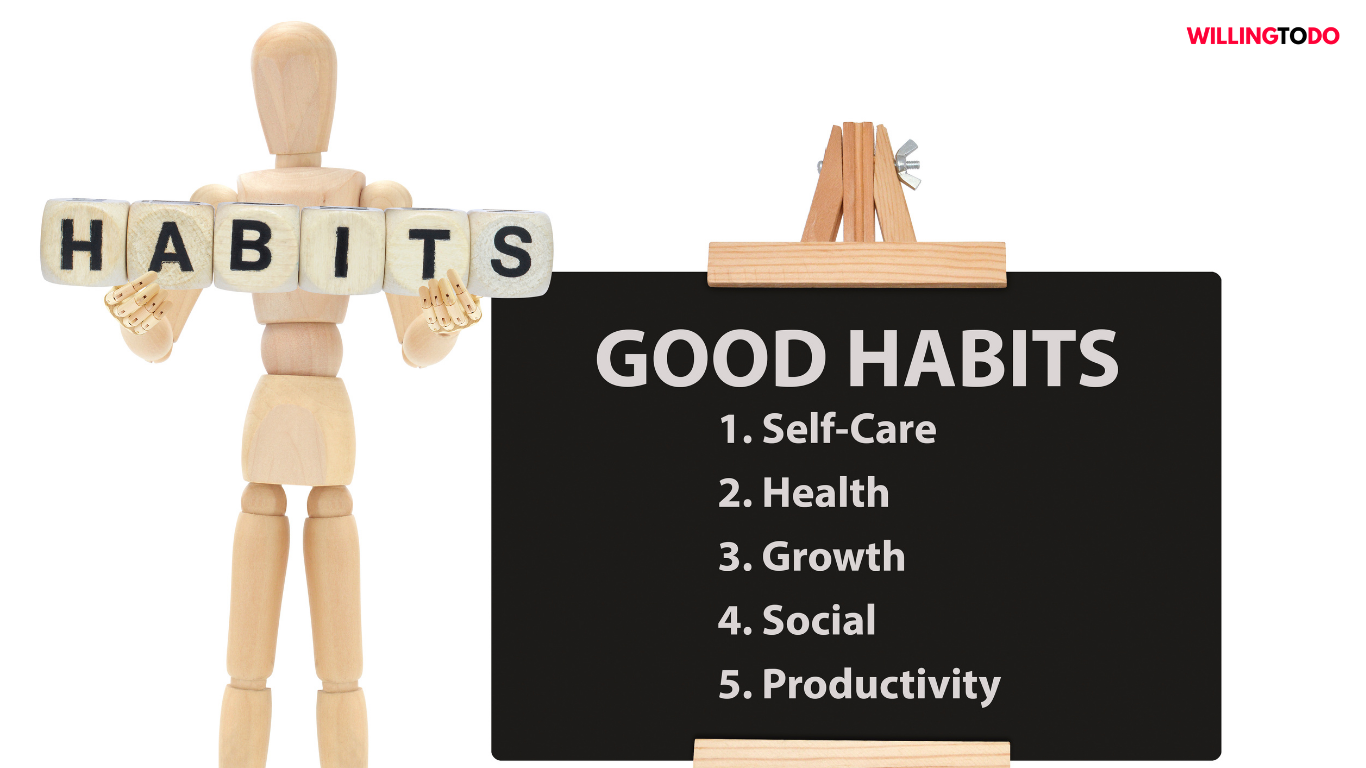
You do not need big life changes to feel better.
Small habits can change your mood every day.
Simple habits to try:
- Take a short walk
- Listen to calming music
- Drink enough water
- Talk to someone you trust
- Spend 10 minutes doing something you enjoy
These are simple mental health tips, but they work because they are easy to follow.
-
Reduce Overthinking With Action
What is the problem?
Overthinking is one of the biggest causes of stress.
You think too much about:
- Past mistakes
- Future worries
- What others think
What helps?
Take small action.
If something is bothering you:
- Write it down
- Break it into small steps
- Do the first step
Action reduces anxiety. Thinking alone increases it.
-
Create a Simple Daily Routine
A messy routine creates a messy mind.
A simple routine creates a stable mind.
Start with this:
- Fixed wake-up time
- Planned work hours
- Breaks during the day
- Sleep at the same time
If you want a full step-by-step system, you can follow this main guide.
This complete guide shows how to build a daily routine that supports your mental wellbeing long-term.
-
Limit Negative Inputs
Your mind is like a sponge.
It absorbs what you see and hear.
Things to limit:
- Too much news
- Negative social media
- Toxic conversations
- Constant comparison
Replace with:
- Educational content
- Positive environments
- Meaningful conversations
This is a powerful way to support stress free living.
-
Take Care of Your Body
Your mind and body are connected.
If your body feels bad, your mind feels bad too.
Focus on:
- 7 to 8 hours of sleep
- Light exercise or walking
- Healthy food
- Staying hydrated
You do not need perfection. You need consistency.
-
Talk About What You Feel
Many people keep everything inside.
This builds pressure.
Talking helps release it.
You can talk to:
- A friend
- A family member
- A mentor
- A support platform like umang
Talking does not make you weak. It makes you lighter.
-
Practice Letting Go
Not everything needs your energy.
Some things are out of your control.
Holding onto everything creates stress.
Try this:
Ask yourself
“Can I control this?”
If no, let it go.
This simple habit can reduce mental burden quickly.
Step by Step Plan to Improve Mental Wellbeing

If you feel confused, follow this simple plan:
Step 1
Fix your sleep and wake time
Step 2
Add 1 small positive habit daily
Step 3
Reduce negative content
Step 4
Write your thoughts instead of overthinking
Step 5
Talk to someone weekly
Step 6
Review your progress every week
Do not rush. Slow progress is still progress.
Real Life Example

Ali is a freelancer.
He used to feel stressed all the time. He worked late, slept poorly, and kept overthinking about money and clients.
He made small changes:
- Fixed his sleep schedule
- Started walking daily
- Reduced social media
- Planned his work hours
After 3 weeks, he felt calmer and more focused.
Nothing big changed. But small habits made a big difference.
Common Mistakes People Make
-
Trying to fix everything at once
This leads to burnout. Start small.
-
Ignoring sleep
Sleep is the base of mental health.
-
Overloading with information
Too many tips create confusion.
-
Comparing with others
Everyone has a different journey.
-
Not asking for help
You do not have to do everything alone.
Expert Tips to Improve Mental Wellbeing
Keep it simple
Complex plans fail. Simple routines work.
Be consistent
Small actions daily are better than big actions once.
Track your mood
Notice what makes you feel better or worse.
Take breaks
Rest is not laziness. It is recovery.
Focus on progress, not perfection
You are improving, not competing.
How This Connects to the Bigger Strategy
Improving mental wellbeing is not a one-time action.
It is part of a bigger lifestyle system.
Your daily routine, habits, and environment all work together.
That is why building a strong routine is important. It creates a structure that supports your mental health every day.
This is exactly what the complete guide explains in depth. It helps you turn these small actions into a long-term system.
When Should You Consider Expert Help?
Sometimes, self-help is not enough.
You should consider expert help if:
- You feel overwhelmed most of the time
- Your sleep is very disturbed
- You feel constant anxiety
- You struggle to function daily
Getting help is a smart decision, not a weak one.
Conclusion
Improving your mental wellbeing does not require big changes.
It starts with small steps:
- Better mornings
- Simple habits
- Clear routine
- Healthy inputs
- Honest conversations
You do not need to fix everything today.
Just start with one small change.
Your future self will thank you for it.
FAQs
-
How can I improve mental wellbeing quickly?
Start with sleep, reduce stress triggers, and take small daily actions like walking or talking to someone.
-
What are simple daily happiness habits?
Walking, listening to music, staying hydrated, and spending time with loved ones.
-
Can routine really improve mental health?
Yes. A simple routine reduces stress and creates stability.
-
How do I stop overthinking?
Write your thoughts and take small actions instead of just thinking.
-
When should I seek help for mental health?
When stress, anxiety, or sadness affects your daily life consistently.