
 Lisa Willams
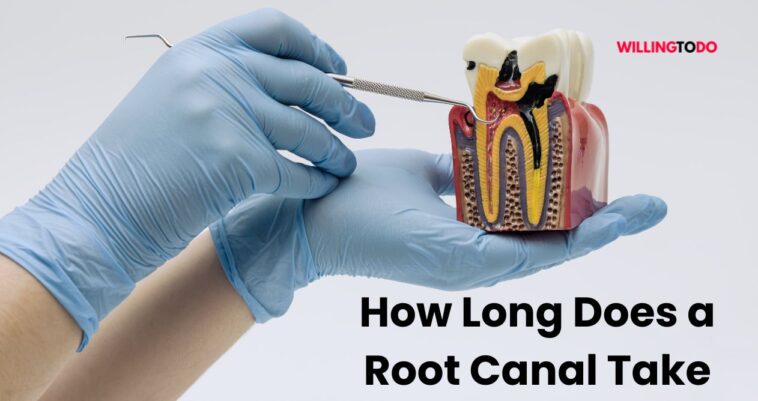
The moment your dentist mentions the words root canal, your heart might skip a beat. Your mind immediately races with questions. Will it hurt? How much will it cost? Most importantly, how long does a root canal take, and how much time do you need to sit in that dental chair?
Sitting in a dental chair with your mouth wide open can make 10 minutes feel like 2 hours. If you are feeling nervous, you might find yourself wishing you knew how to make time go faster just to get the appointment over with. If you are feeling stressed about an upcoming dental visit, you are not alone.
The good news is that dental technology has come a long way. Root canals are not the scary, painful, day-long ordeals people used to talk about years ago. In fact, they are very routine, highly successful, and much faster than you think.
This detailed guide will walk you through every single detail about the time it takes to get a root canal, the healing process, and what you can expect from start to finish. We will break everything down using simple, clear words so you can feel completely ready, relaxed, and informed for your visit.
What Exactly Is a Root Canal and Why Do You Need It?
To understand how long the procedure takes, you first need to know what the dentist is actually doing inside your mouth. Your tooth is not just a solid white block. It has layers.
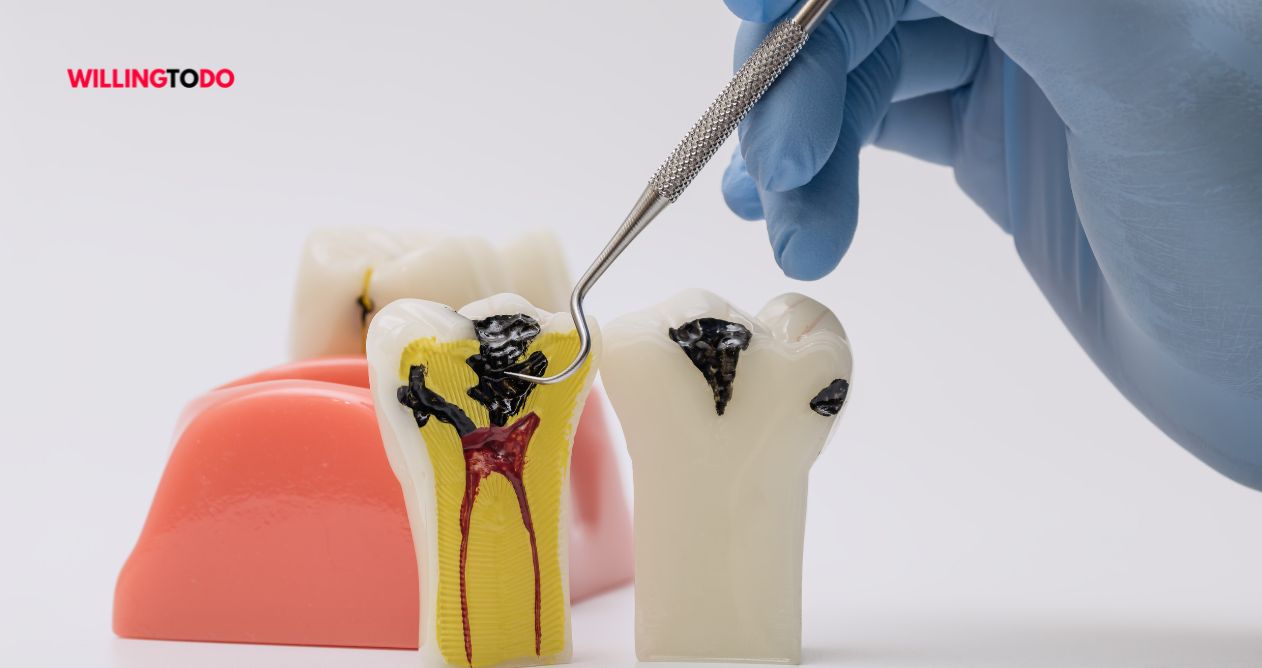
The outside layer is the hard white enamel. Under that is a harder layer called dentin. Deep inside the very center of your tooth is a soft space called the pulp chamber. This space contains sensitive nerves, blood vessels, and tissues that helped the tooth grow when you were a child.
Why the Tooth Hurts
When a tooth gets a very deep cavity, a crack, or an injury, bacteria can sneak into that deep inner space. Once bacteria enter the pulp chamber, they cause a serious infection. Because the space inside a tooth is so small, the infection creates intense pressure. This pressure pushes on your tooth nerve, which causes that throbbing, constant toothache that keeps you awake all night.
The Ultimate Goal of the Procedure
A root canal is a dental treatment used to save a badly decayed or infected tooth instead of pulling it out completely. During the process, the dentist carefully removes the damaged or dead nerve and infected pulp.
Once the inside of the tooth is perfectly clean, the dentist disinfects it, shapes the tiny tunnels inside the roots, and fills the space with a safe, rubbery material to seal it up. This stops the bacteria from coming back and saves your natural smile.
Why You Can Not Wait
Ignoring a tooth infection is a big mistake. The bacteria will not go away on their own. The infection can spread out from the root of the tooth and enter your jawbone, causing severe swelling, bone loss, and even more intense pain. Taking care of it early saves your tooth, saves your money, and protects your overall health.
How Long Does It Take to Do a Root Canal?
The straightforward answer to how long does it take to do a root canal is that a standard appointment usually lasts between 30 and 90 minutes.
However, there is no single fixed time because every single human mouth is unique. Some teeth are very simple and quick to fix, while others have complicated shapes that require extra time and patience.
Let us look at the main reasons why the time changes from person to person.
The Type of Tooth Being Treated
This is the biggest factor that decides the time you will spend in the chair. Different teeth have different numbers of roots and canals.
-
Front Teeth (Incisors and Canines): These teeth are located at the front of your mouth. They usually have only 1 root and 1 single root canal. Because there is only one tunnel to clean and fill, a root canal on a front tooth is very fast. It often takes only 30 to 45 minutes.
-
Premolars (The Middle Teeth): These are the teeth between your front teeth and your back molars. They typically have 1 or 2 roots. A root canal on a premolar usually takes about 50 to 60 minutes.
-
Molars (The Large Back Teeth): These are the big teeth at the very back of your mouth that you use to chew heavy food. Molars are complicated. They can have 3, 4, or sometimes even 5 distinct root canals. These canals are often curved, narrow, and hard to reach. Because of this complexity, a molar root canal can easily take 60 to 90 minutes or even a bit longer.
The Scale of the Infection
If you go to the dentist the moment you start feeling a little bit of pain, the infection is usually small. The dentist can clean it out quickly.
But if you wait for weeks or months, the infection can become severe. It might create large pockets of pus called abscesses. In these difficult cases, the dentist has to spend a lot of extra time washing out the infection, placing special germ-killing medicine inside the tooth, and making sure everything is perfectly clean before sealing it.
The Shape of Your Tooth Roots
Some people have straight, wide root canals that are very easy for dental tools to pass through. Other people have roots that are twisted, severely curved, or incredibly narrow. Navigating these tiny, curved tunnels takes an immense amount of care, precision, and time to avoid breaking tools or missing hidden bacteria.
One Visit vs Two Visits: Which One Do You Need?
Depending on your specific tooth, your dentist might complete the entire root canal in just 1 single visit, or they might ask you to come back for 2 separate appointments.
When is a 1-Visit Root Canal Best?
If your tooth has a simple root structure, like a front tooth, and the infection is mild, a 1-visit root canal is highly common. The dentist will numb your mouth, clean the infection, fill the canal, and close the tooth all in one session. This is excellent for busy people who want to get the treatment over with quickly.
When is a 2-Visit Root Canal Needed?
For complicated back molars or cases with massive infections, dentists prefer a 2-visit approach.
-
The First Visit: The dentist opens the tooth, removes the painful, infected nerve tissue, and thoroughly cleans out the canals. They will then place an antibacterial medication inside the tooth to kill any remaining germs. Finally, they close the tooth with a soft, temporary filling. This session takes about 45 to 60 minutes.
-
The Waiting Period: You will live with the temporary filling for about 1 to 2 weeks. This gives the medicine time to kill the bacteria and allows the inflammation in your jawbone to calm down.
-
The Second Visit: You return to the clinic. The dentist removes the temporary filling, checks to make sure the infection is completely gone, fills the canals permanently, and seals the tooth safely. This second appointment is usually faster, lasting around 30 to 45 minutes.
Step-by-Step Breakdown: What Happens During the Appointment?
Knowing exactly what happens minute-by-minute can take away a lot of your fear. Here is a realistic breakdown of what you will experience during a typical 60-minute root canal session.
Minute 1 to 15: Numbing and Preparation
The very first thing the dentist does is make sure you feel absolutely zero pain. They will apply a numbing gel to your gums, and then they will give you a local anesthetic injection. You will feel a tiny pinch, and then your whole tooth, cheek, and lip will go completely numb.
Once you are numb, the dentist places a small protective sheet of rubber or plastic around your tooth. This is called a dental dam. It isolates the bad tooth, keeps it completely dry from your saliva, and prevents you from swallowing any water or dental liquids during the treatment.
Minute 15 to 30: Opening and Cleaning
The dentist uses a dental drill to make a small, precise opening in the top or back of your tooth. This allows them to see inside the pulp chamber.
Using tiny, flexible hand tools called dental files, the dentist gently cleans out the infected tissue and shapes the canals. They will frequently rinse the inside of the tooth with specialized liquids to wash away debris and kill bacteria. You might hear some drilling noises and feel some gentle pressure, but because of the numbing medicine, you will not feel any pain.
Minute 30 to 50: Filling and Sealing
After the canals are perfectly clean and dry, the dentist fills the empty space. They use a natural, rubber-like material called gutta-percha. They coat this material with a special dental cement and press it firmly into the tiny tunnels to seal them completely. This seal keeps future bacteria out.
Minute 50 to 60: The Temporary Cover
To finish the appointment, the dentist puts a temporary filling over the hole they drilled. This protects the tooth until you can get a permanent restoration. The dental dam is removed, you rinse your mouth out with water, and your appointment is officially done.
Real-Life Story: A Realistic Molar Root Canal Experience
Let us look at a real-world example to see how this plays out in real life. Meet Lisa, a 35-year-old busy working mom who started feeling a sharp, throbbing pain in her lower right back molar. Every time she drank cold water or tried to chew dinner, a wave of painful frustration hit her. She tried ignoring it for a week, hoping it would pass, but the pain only grew worse, keeping her awake at night and making her feel completely exhausted.
Terrified of dental work, Lisa finally scheduled an appointment. Her dentist took an X-ray and told her that a deep crack in her molar had let bacteria infect the nerve. Because it was a back molar with 3 curved canals, her dentist recommended a 2-visit root canal to ensure total success.
On her first visit, Lisa was incredibly nervous. Her hands were shaking as she sat back in the chair. However, her dentist took time to explain the process calmly. After receiving the numbing injection, Lisa felt her entire lower jaw go heavy and numb. The dentist spent 50 minutes carefully cleaning out the three infected canals. Lisa felt some vibration and pressure but no pain at all. The dentist placed the calming medication inside and sealed it with a temporary filling.
The moment she stepped out of the chair, Lisa felt a massive wave of relief. The throbbing ache was completely gone. 2 weeks later, she returned for a quick 35-minute visit. The dentist removed the temporary seal, verified that the infection was gone, filled the canals permanently, and prepared the tooth for a crown. Lisa realized that all her intense worry and missed sleep were for nothing. The process was smooth, controlled, and easy to handle.
Common Mistakes People Make with Root Canals
When people are scared or confused, they often make choices that end up causing more pain, spending more money, and creating bigger problems. Here are the top mistakes you must avoid.
1. Delaying the Treatment Because of Fear
The absolute biggest mistake is putting off your appointment. People often wait until their face swells up or the pain becomes completely unbearable. Delaying treatment gives the bacteria time to destroy the bone around your tooth root. If you wait too long, the tooth can become so badly damaged that a root canal can no longer save it, leaving extraction as the only option left.
2. Thinking the Problem is Solved When the Pain Stops
Sometimes, an infected tooth will suddenly stop hurting on its own. People think, “Wow, my tooth healed itself!” This is a dangerous trap.
The pain stopped because the infection grew so bad that it completely killed the nerve inside your tooth. The nerve can no longer send pain signals to your brain, but the living bacteria are still deep inside your jawbone, multiplying and causing silent damage.
3. Skipping the Final Crown or Permanent Filling
A temporary filling is only designed to last a few weeks. It is soft and will slowly wear away as you chew food. Many people get their root canal done, feel great, and never go back to get their permanent crown.
Without a strong permanent crown or filling, the weak, brittle tooth will eventually crack into pieces under the pressure of chewing, or bacteria will leak back inside, ruining the entire root canal.
Advanced Knowledge: Specialized Tools That Speed Up the Process

Modern dental offices use incredible advanced technology that makes root canals far faster and more accurate than they were in the past. If you visit a specialist called an endodontist, they use advanced systems to protect your health and save your time.
| Tool Name | What It Is | How It Saves Time and Improves Comfort |
| Digital X-Rays | Instant high-resolution mouth pictures | Takes pictures in 2 seconds with far less radiation than old film style X-rays. |
| Rotary Endodontics | Electric powered flexible nickel-titanium tools | Cleans out curved canals smoothly, quietly, and much faster than manual hand tools. |
| Apex Locators | Electronic tip measuring devices | Uses a gentle electrical signal to find the exact bottom of a root canal instantly without needing multiple extra X-rays. |
| Dental Microscopes | High powered magnification lenses | Allows the doctor to look deep inside the tooth to find tiny, hidden extra canals that might otherwise be missed. |
How Long Does a Root Canal Take to Heal? What to Expect After
Once the dentist finishes your procedure and the numbing medicine wears off, your body begins its natural recovery work. Understanding how long does a root canal take to heal helps you plan your meals and activities without unnecessary stress.
The First 24 to 48 Hours: Managing Mild Soreness

It is completely normal to feel some mild soreness, tenderness, or a bruised feeling around the treated tooth for the first 2 days. The soreness does not come from the inside of the tooth anymore since the nerve is gone. Instead, it comes from the surrounding gums and tissues that were held open, and the jaw joint that was worked on.
You can easily manage this mild discomfort using basic over-the-counter pain relief medications like ibuprofen or acetaminophen. Try to avoid chewing directly on that side of your mouth until the soreness fades completely.
Days 3 to 7: Returning to Total Normal
By the third or fourth day, any lingering soreness should drop to zero. Your gums will feel completely normal, and you will be able to talk, smile, and eat regular foods without any issues. The deeper tissues around the root tip inside your jawbone will continue to heal quietly over the next few weeks, even though you will not feel it happening.
Crucial Aftercare Instructions
To ensure your mouth heals quickly and smoothly, follow these practical steps:
-
Brush your teeth gently twice a day and floss carefully around the treated area.
-
Avoid eating hard, crunchy, or very sticky candies that could pull out your temporary filling.
-
If your dentist prescribed antibiotics to clear out a deep infection, make sure to take every single pill until the bottle is completely empty, even if you feel 100% better.
Recognizing the Warning Signs: When to Get Expert Help
While a root canal has a success rate higher than 95%, problems can occasionally happen. Dealing with chronic bodily pain and dental anxiety can take a massive toll on your emotional health. While learning how to cope with mental illness or severe anxiety requires long-term strategies, fixing your immediate physical tooth pain is a great first step to feeling like yourself again.
What is Normal
-
Mild tenderness when you press on the tooth for 3 to 4 days.
-
A slight medicine taste in your mouth from the temporary filling materials.
-
Mild gum swelling near the injection spot.
What is Not Normal (Call Your Dentist Immediately)
-
Severe, Throbbing Pain: Pain that gets worse day after day and is not helped by regular pain medicines.
-
Visible Swelling: A noticeable lump on your gums, or swelling in your cheek, jaw, or neck area.
-
A Returned Fever: A body temperature spike that shows your body is fighting a spreading infection.
-
Allergic Reactions: Developing a sudden rash, hives, or itching after taking new dental medications.
-
Damaged Filling: The temporary filling completely falls out or cracks open, leaving the inside of your tooth exposed to food particles.
Future Shifts: How Technology is Changing Dental Care
The dental industry is moving fast toward making procedures completely seamless. In the near future, more clinics will adopt advanced laser technology. Specialized dental lasers can shoot a microscopic beam of light and water energy deep into tooth roots. This light instantly destroys 99% of bacteria and clears away infected tissue in seconds without any loud drilling sounds or vibrations.
Additionally, 3D printing and advanced imaging are allowing dentists to create custom-shaped permanent crowns right inside the office during your appointment. This means the old way of waiting weeks with a temporary cover will disappear, allowing patients to complete their entire root canal and permanent crown placement in less than 1 hour.
Conclusion: Take Control of Your Smile Today
A root canal is not a punishment. It is a highly effective, time-saving solution designed to stop your pain and protect your natural teeth for life. Knowing that a standard session takes less than an hour and heals completely within a few days gives you the confidence to take control of your health.
If you have a lingering toothache or know you need dental work, do not let fear delay you. Reach out to a qualified local dental expert today, schedule a professional consultation, and take the first easy step toward a healthy, completely pain-free smile.
Frequently Asked Questions
Can I drive myself home right after getting a root canal done?
Yes. Because dentists use standard local numbing injections, your brain and body stay fully awake, alert, and capable. You can drive yourself to work, go back to school, or run errands right after your appointment ends. The only exception is if you explicitly requested strong oral or IV sedative drugs to calm your anxiety.
When is it completely safe for me to eat food after the procedure?
You should wait to eat until the numbing medication in your mouth wears off completely, which usually takes 2 to 3 hours. If you try to chew food while your mouth is numb, you can accidentally bite your tongue, cheek, or lip very hard without realizing it. Once the feeling returns, stick to soft items like yogurt, soup, or mashed potatoes for the first day.
Is getting a root canal a very painful process?
No. Modern anesthesia ensures that you do not feel pain during the treatment. The process feels very similar to getting a standard cavity filling. The root canal actually removes the dying nerve that was causing your agonizing toothache, meaning the procedure removes your pain rather than causing it.
Why does my jaw feel so stiff and tired after the session?
Your jaw muscles will feel tired simply because you had to keep your mouth propped open wide for 45 to 90 minutes. This muscle fatigue is temporary and can be easily relieved by applying a warm washcloth to the side of your face or gently massaging your jaw joints.
What happens if I choose to ignore an infected tooth root?
The infection will slowly expand into your surrounding jawbone, causing bone loss, severe facial swelling, and intense constant pain. Eventually, the internal structure of the tooth will rot completely, forcing a doctor to surgically pull the entire tooth out, which requires expensive bridge or implant surgeries to fix later.