
 Harriet Wetton
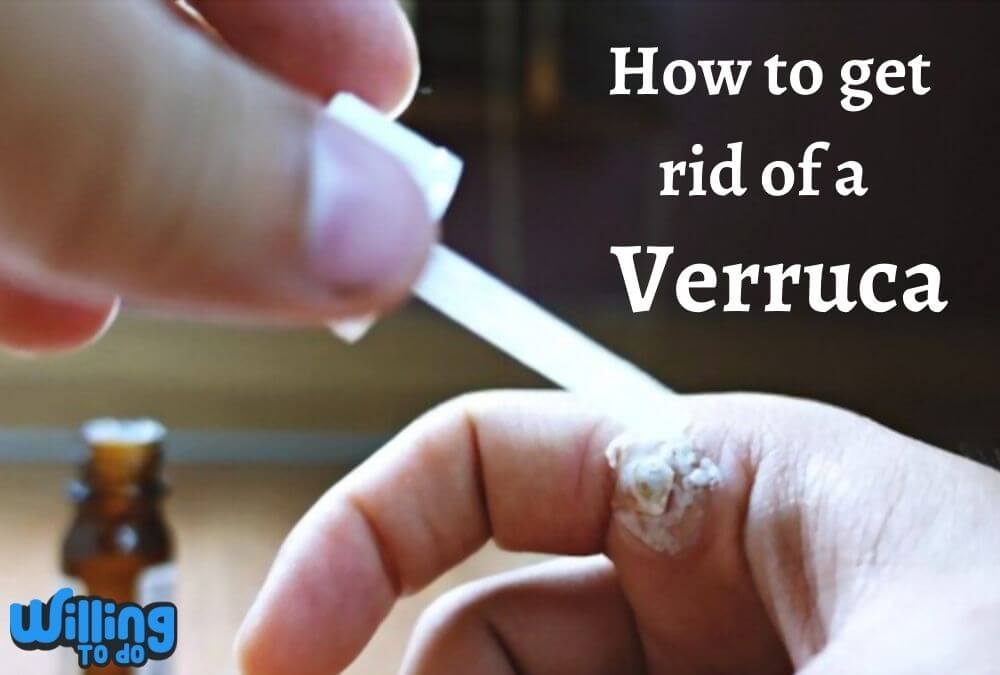
Verrucas are small and contagious lesions on the skin that most people face at some point in their life. Usually appearing as painful lumps on the foot sole, they are caused by the Human Papillomavirus (HPV).
What’s the Etiology of Verrucas?
The root cause is a group of viruses categorized into 150 types. Most plantar warts are ascribed to HPV 1. The virus enters the skin through tiny breaks or scratches, settling in the basal layer of the epithelium.
Risk Factors for Verrucas
| Risk Factor | Details |
|---|---|
| Age | Most common in children and adolescents (ages 15-16). |
| Environment | Warm, moist areas like swimming pools and communal showers. |
| Hygiene | Sharing towels, socks, or poorly ventilated footwear. |
| Immune Status | Higher risk in immunocompromised individuals. |
How to Identify a Verruca
- Small, fleshy, grainy bumps.
- Flesh-colored, white, or tan appearance.
- Black dots: Tiny, clotted blood vessels (often called “seeds”).
- Pain when pinched from the sides.
Treatment Options
1. Duct Tape Occlusion Therapy
A safe and inexpensive home remedy. Apply high-quality duct tape over the verruca for 6 days, soak in water on the 7th day, debride with a pumice stone, and repeat for several weeks.
2. Salicylic Acid
Available over-the-counter. It chemically removes excess keratin and triggers an immune response. Consistent daily application is key.
3. Cryotherapy (Freezing)
A professional treatment using liquid nitrogen to freeze and destroy the infected tissue. This creates a blister, allowing the wart to eventually fall off.
4. Microwave Therapy (Swift)
A modern medical solution that uses microwave energy to heat the infected tissue precisely, stimulating a natural immune response. It has a high success rate (75%+).
When to See a Doctor
Seek medical attention if the verruca:
- Keeps coming back after treatment.
- Is exceptionally large or painful.
- Bleeds or changes appearance.
- Occurs on the face or genitals.
Frequently Asked Questions
How do you know when a verruca is dying?
It often turns black or dark brown as the blood supply is cut off, and healthy skin lines (striae) begin to reappear.
Is a verruca the same as a corn?
No. A corn is caused by friction; a verruca is a viral infection characterized by black dots and side-pressure pain.