
 Harriet Wetton
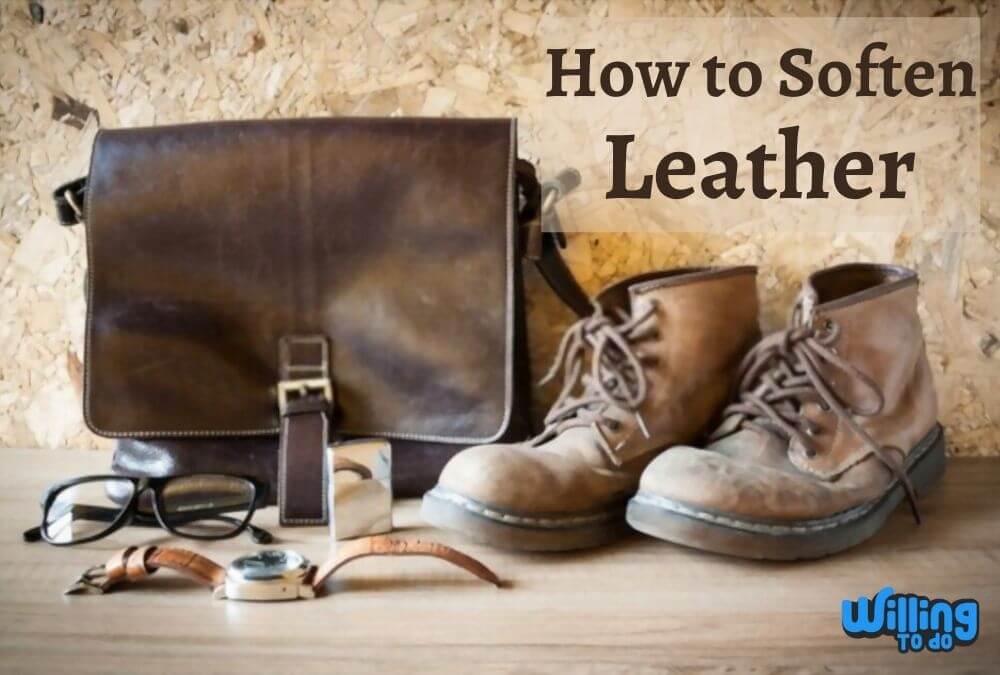
Do you ever stop to think before how to soften the leather about why you actually need to use these methods? Various motives may come into this context that must be recognized.
Whether it is a pair of vintage boots you found at a thrift store or a beloved leather jacket that has spent too many winters in the back of a closet, leather has a personality that changes over time.
For getting more durability and flexibility in your daily life, you likely always opt for leather items. From shoes to saddles, bags to jackets, wallets to belts, furniture to sports equipment, these products grant you the legendary durability of organic hide.
But keeping them for a long period without proper care turns the leather stiff enough that it feels awkward and uncomfortable to wear. It is natural for leather to change its texture over time because it is a biological material.
So, if you want to turn your old and stiff leather goods into a soft, supple form, then this guide is for you. You will come to know how to soften the leather with some easy, practical tactics that anyone can do at home. Let us dive into the details.
Why Does Leather Need to Be Softened?
At times, before moving to do something, you need to understand why you have to do it in the first place. The same is the case here. Before figuring out some facts about how to soften the leather, you have to determine why it needs to be softened.
Leather comes from the tanning of animal skin, most commonly cattle skin. Although it provides flexible and durable products, every organic material has its own life cycle. When the natural oils within the fibers evaporate, the material alters its texture.
Generally, if you keep your leather goods unused for a long time, they often become stiff, cracked, damaged, or dried out. This is particularly common in environments with low humidity or extreme temperature shifts.
If they are softened in the right way, they become usable again, often looking better than they did when they were brand new. Moreover, it is quite important to mitigate the stiffness of the leather, especially in the case of footwear.
Hardcore shoes may lead to blisters and painful bumps on your feet. Understanding how to measure the inseam or fit of your clothing is one thing, but ensuring the material itself is comfortable is what makes an outfit truly wearable.
Fortunately, leather can be softened by simple wear and tear over time. But in severe conditions where the hide feels like a sheet of wood, you have to follow specific approaches that work effectively.
By applying the right treatments, you can restore the protein bonds in the fibers, making the item move with your body rather than against it. This is the core of learning how to soften the leather properly.
How to Soften the Leather: 7 Proven Methods
Usually, there are different modes for softening the leather, but some most useful and tested approaches are described here.
You may come to know how to soften the leather with some easy tactics that do not require professional equipment. Let us move on and grab those strategies.
#1. Use Water to Get the Soft Texture of Leather
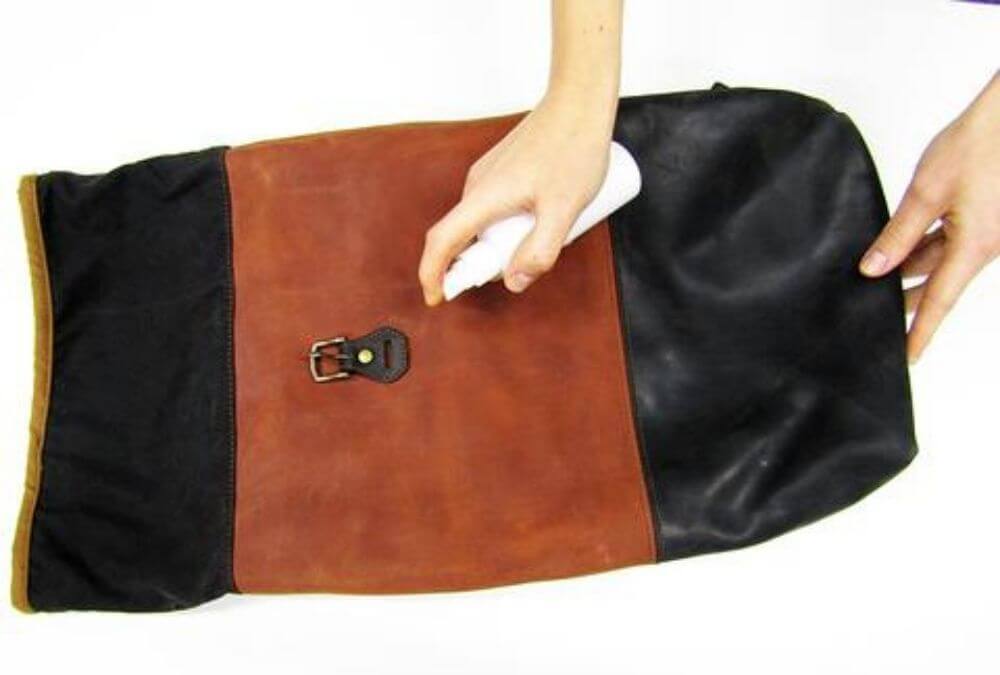
The easiest way to get your leather accessories back to a fine and soft texture is by using water. This might sound counterintuitive because we are often told to keep leather dry, but water acts like a temporary toner in the context of how to soften the leather.
When leather dries out completely, the fibers shrink and harden. Introducing a small amount of moisture can help them relax.
For this method, you should take a spray bottle and pour clean water into it. Lightly mist the surface of the dried leather goods.
Your purpose is just to loosen the dry surface, not to soak it. Drizzle the water carefully and do not get the whole leather soaking wet, as this could cause water spots or mildew. To help the water penetrate the surface, take a fibrous cloth and wipe the area gently.
This ensures the moisture is distributed evenly. Always follow up a water treatment with a light conditioner to seal in the hydration.
Nevertheless, there are some leather products with waterproof coatings or synthetic finishes. Do not apply water treatment to these.
If you pour water on them and it just beads up and rolls off, the water will not be effective for softening. In those cases, you need a more oil based approach.
#2. Use Coconut Oil to Loosen Dry Leather
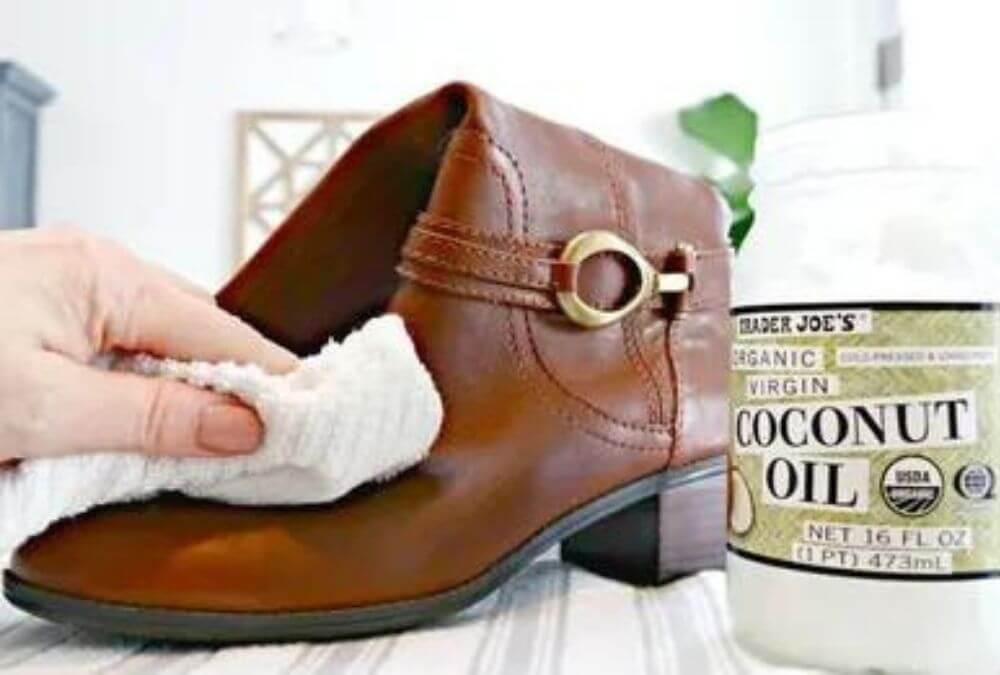
Coconut oil helps to soften stiff and cracked leather generously. Its fatty acid nature assists in conditioning the hardened leather to give it a smooth, buttery texture.
Before using the coconut oil, you first have to prepare the leathered item. This is a crucial step in the process of how to soften the leather effectively.
Follow these instructions for the best results:
- Leave your leather goods in gentle sunlight for about 10 minutes to warm the pores.
- Once the leather is warm to the touch, it is ready to accept the oil.
- Take a clean rag or use your fingers to apply a thin layer of coconut oil to the surface.
- Rub it in using small circular motions until it is absorbed.
However, when you move on to how to soften the leather via coconut oil, there is one drawback to keep in mind. While coconut oil turns the leather soft, it can cause significant darkening to the surface.
This might change the look of a light tan bag or pair of shoes. Just as how some treatments for uneven lips require patch testing, this method should also be tried on a discreet spot first to see how the color reacts.
#3. Use a Professional Conditioner for Nap Leather
There are many commercial products available in stores specifically designed for conditioning leather. These are often the safest bet when you are worried about how to soften the leather without damaging it.
Special lanolin based conditioners are widely available. Lanolin is a natural wax found in sheep’s wool and is incredibly effective at penetrating deep into the hide.
You can use several coats of these conditioners if the leather is exceptionally thick or stiff. It is much better to apply three thin coats rather than one heavy, greasy layer. One thing you must remember is to read the instructions on the bottle carefully.
Some conditioners are meant for specific types of leather, such as suede or nubuck, while others are only for smooth grain leather. Proper application ensures your items stay “pappy” and soft for years to come.
#4. Use Petroleum Gel and Alcohol
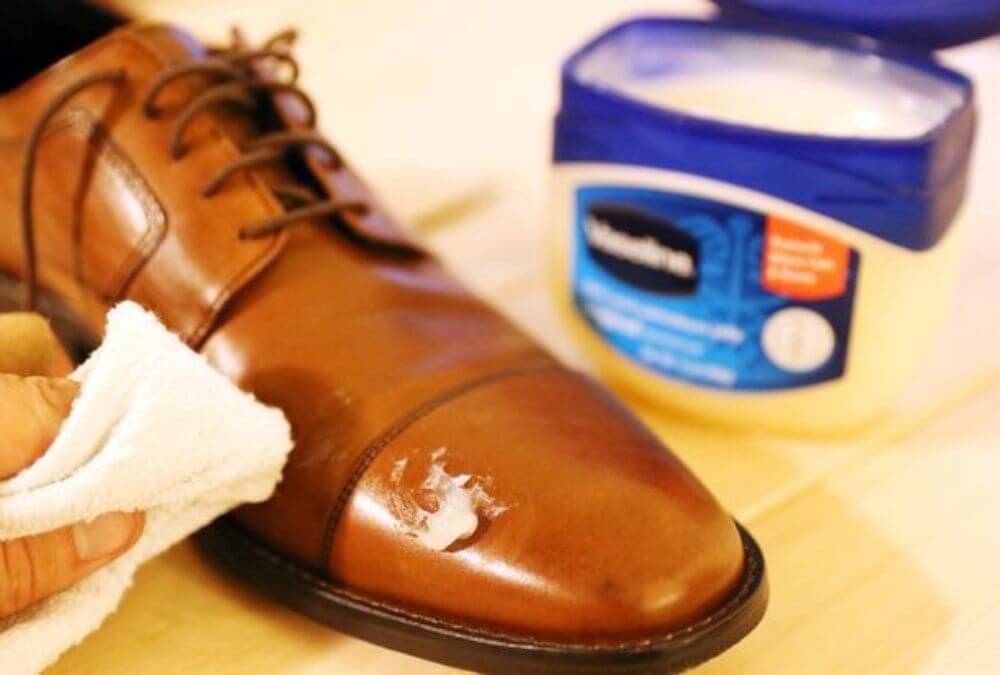
Another easy way to make your leather accessories soft is the combination of rubbing alcohol and petroleum jelly (like Vaseline). This is a two step process that works quickly.
First, you use the alcohol to open up the pores of the leather. Rub a cotton ball soaked in alcohol over the surface. This cleans the leather and readies it for the moisture step.
Next, while the leather is still slightly damp from the alcohol, apply a smooth layer of petroleum gel. Rub it in with your fingers. The alcohol helps the gel penetrate deeper into the material than it would on its own.
When people ask how to soften the leather using household items, this is often the most recommended trick. Unlike coconut oil, this method rarely leaves dark stains and instead provides a healthy, bright glow that increases the shine of the item while keeping it supple.
#5. Use Mink Oil for Deep Conditioning
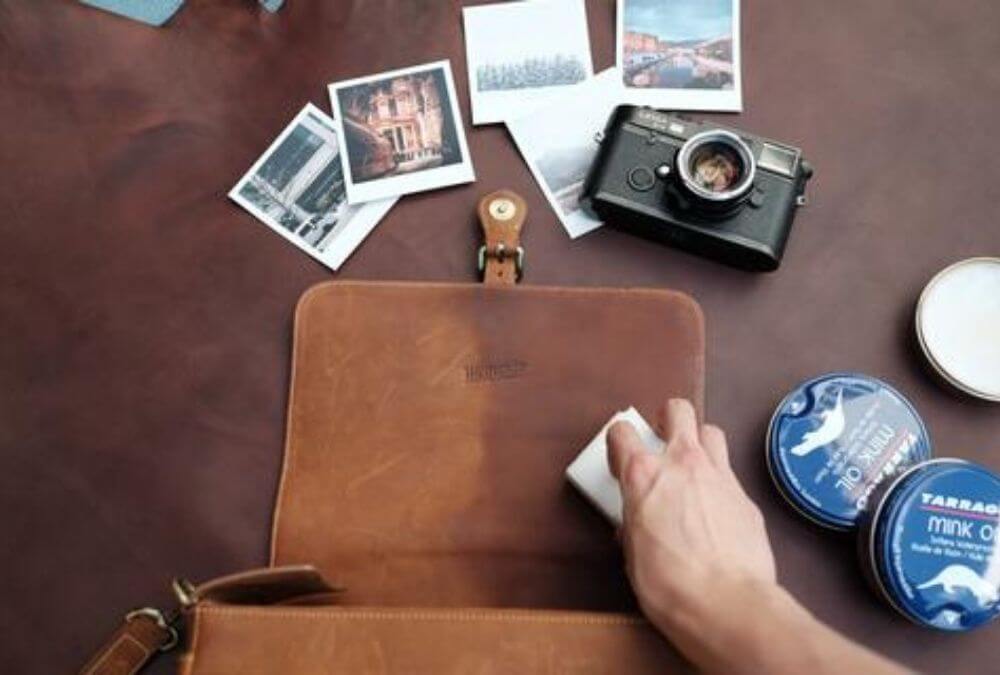
Mink oil is a classic choice for those who take their leather care seriously. It is used in everything from medical products to high end cosmetics.
When it comes to how to soften the leather, mink oil is a powerhouse for jackets, boots, and saddles. It works differently than lighter oils because it creates a protective barrier while it softens.
To use mink oil properly:
- Take a clean, dry rag and dip it into the mink oil.
- Apply the oil to the surface in circular motions.
- You may need up to three layers for very dry items.
- Allow the item to sit for 2 or 3 days so the oil can fully absorb into the fibers.
This is a fantastic option for preserving the life of your gear. It not only softens but also helps with waterproofing, making it a “must have” for anyone living in rainy climates.
If you want to learn how to be the best employee in a manual labor job, keeping your work boots maintained with mink oil is a great start for your professional kit.
#6. Apply Gentle Heat for Rapid Softening
Sometimes you need a quick fix. If you do not have oils or conditioners on hand, you can use heat. Heat opens up the fibers and makes them more pliable. However, you must be extremely careful. Too much heat will dry the leather out further, causing it to crack or even burn.
Safe ways to use heat include:
- Using a hairdryer on a low setting, keeping it at least 6 inches away from the surface.
- Leaving your leather item in a warm, humid room (like a bathroom after a hot shower).
- Putting a leather garment in the dryer for 10 to 15 minutes on a very low heat setting with a couple of heavy towels to help “beat” the stiffness out of it.
Once the leather is warm and flexible, it is the perfect time to apply a small amount of moisturizer to lock in that softness. This is a very effective strategy for how to soften the leather in a pinch.
#7. Manually Break in the Leather
If you prefer not to use any substances on your leather, you can go the manual route. This is essentially “massaging” the hide to break the internal tension of the fibers. There are a few ways to do this manually.
The Tapping Method: Take a rubber mallet or a baseball bat. Wrap your leather item in a towel and gently tap the stiff areas. You are not trying to crush it, just to loosen the structure. This works great for heavy leather bags or thick belts.
The Kneading Method: Treat the leather like bread dough. Squeeze it, stretch it, and flex it with your hands. This physical movement mimics years of wear in just a few minutes. If you are eager to learn how to soften the leather, your own hands are often your best tools.
The Usage Method: The best way to keep leather soft is simply to use it. If you have a stiff pair of shoes, wear them around the house with thick socks.
The heat from your body and the natural movement of your feet will do the work for you. Much like learning how to wash a weighted blanket, some things just require a bit of manual effort and patience to get right.
Avoid Exposing Softened Leather to These Harmful Factors
Once you have achieved your goal of how to soften the leather, you need to protect your hard work. Leather is a sensitive material, and certain environmental factors can undo all your conditioning in a matter of days. Here is what to watch out for.
Avoid Excessive Sun Exposure
Leather is sensitive to UV rays. Long term exposure to direct sunlight will bleach the color and evaporate the oils you just worked so hard to put back in. If your leather furniture is sitting in a spot where the sun hits it all afternoon, it will eventually become brittle.
Try to move your leather items to a shaded area or use window treatments to block the harshest rays. Preventing “sunburn” on your leather is a key part of long term maintenance.
Steer Clear of Harsh Chemicals
It can be tempting to use whatever cleaning supplies you have under the sink, but many laundry soaps and detergents are too alkaline for leather. They can strip away the natural proteins and leave the surface looking dull and cracked.
When you are focused on how to soften the leather, always stick to pH-balanced cleaners specifically made for hides. Always read the labels and do a small test patch before applying anything to the whole item.
Keep Your Leather Away from High Heat Sources
While we mentioned that gentle heat can help soften leather, extreme heat is a disaster. Never leave your leather jacket near a radiator or use a high-heat iron on it.
Excessive heat will shrink the fibers permanently, making the leather hard and “crispy.” This damage is often irreversible. If you want to know how to soften the leather, the first rule is to never cook it!
Eschew Extreme Temperature Variations
Drastic changes in temperature cause leather to expand and contract rapidly. This mechanical stress can lead to microscopic tears in the surface, which eventually become visible cracks.
Try to keep your leather accessories in a climate controlled environment. If you store your leather boots in a freezing garage and then bring them into a hot house, the fibers will suffer. Consistency is the secret to durability.
Helpful Takeaways for Leather Lovers
Hopefully, you have gained plenty of insight into how to soften the leather. By following these seven tactics, you can rescue almost any piece of leather from the scrap heap.
Whether it is a vintage jacket, a stiff pair of work boots, or a family heirloom bag, the right combination of moisture, oil, and physical manipulation will restore its life.
You can now confidently add more leather pieces to your wardrobe without fearing the “break-in” period. Your leather couch will feel more inviting, and your belts will last for decades.
When you know how to soften the leather, you are not just maintaining an object; you are preserving a piece of craftsmanship. So, put a smile on your face and get to work on those stiff leather goods!
Frequently Asked Questions (FAQs)
Is it okay to iron leather goods to remove wrinkles?
Using a standard iron directly on leather is very risky. The high heat can burn or shrink the hide instantly. If you must remove wrinkles, use the lowest setting on the iron, place a heavy brown paper bag or a clean cloth between the iron and the leather, and keep the iron moving constantly.
However, when considering how to soften the leather, steaming is generally a much safer alternative than ironing.
Which kind of conditioner is ideal for softening leather furniture?
For furniture, you want a conditioner that is non-greasy and won’t rub off on your clothes. Look for products containing lanolin or beeswax.
These ingredients work deep into the leather to provide long lasting softness without leaving a residue. Always check if the conditioner is suitable for the specific finish of your sofa, such as aniline or pigmented leather.
Can baby oil be used to fix stiff leather?
Yes, you can use baby oil in a pinch, as it is essentially a highly refined mineral oil. However, be cautious. Because it is an oil, it can leave permanent stains or significantly darken the leather. It is always best to test it on a hidden area first.
While it helps with how to soften the leather, professional leather conditioners are usually a better long-term choice for expensive items.
How often should I soften my leather items?
It depends on how much you use them and your local climate. As a general rule, conditioning your leather every 6 to 12 months is sufficient to keep it soft.
If you live in a very dry or very cold climate, you might need to do it more frequently. If the leather starts to feel “toothy” or stiff to the touch, that is your sign that it is time for a treatment.
Will softening leather make it stretch?
Yes, the process of how to soften the leather naturally makes the fibers more pliable, which can lead to slight stretching.
This is actually why people soften new leather shoes—to help them stretch and mold to the shape of their feet. If you have a leather item that you do not want to stretch, be very gentle with the manual kneading and focus more on light conditioning.