
 Harriet Wetton

Determining how to sell your products online is one of the most rewarding challenges you can take on in 2026. After the massive digital shift of the last few years, our entire economy has essentially moved into the palms of our hands.
Everyone wants to earn from the comfort of their own space, and the good news is that the barriers to entry have never been lower. If you are sitting on a great product idea or looking to scale a traditional brick and mortar store, there has never been a more profitable window in history to make the leap into digital commerce.
Running a business from home is no longer a distant dream. Whether you are looking to sell handmade crafts, wholesale goods, or even digital services, the internet provides a global stage.
This reality means you can launch an entire brand without renting a physical storefront, hiring a massive team, or signing restrictive long term leases. All you really need is a reliable internet connection, a quality product source, and the willingness to learn how digital systems work.
In this deep dive, we will explore the exact steps and platforms you need to master to earn a substantial income and build a brand that lasts.
We will break down everything from setting up your own independent store to leveraging global tech giants, ensuring you possess a clear, actionable roadmap to financial independence.
Why Moving Your Business Online is Essential Today
Protection and convenience are at the forefront of modern consumer behavior. Most people prefer to shop from their couches, and as a seller, you need to be where the eyes are.
The modern buyer expects instant gratification, secure checkout options, and seamless delivery tracking. If your brand is not visible on their screens, you are essentially invisible to the market.
If you are wondering why you must learn how to sell your products online, consider these three core pillars of digital commerce:
- Lightning-Fast Launch Times: You can set up a store in a single afternoon and reach customers by evening. Traditional retail requires months of permits, build outs, and heavy capital layout. Digital retail requires a few clicks.
- Established Infrastructure: You don’t need to build the technology from scratch; you can lean on proven systems like Shopify or Amazon. These companies have invested billions to perfect checkout conversion, meaning you inherit a world class user experience out of the box.
- Unlimited Customer Base: Your physical location no longer limits your income. You can live in a small town and sell to someone in a major metropolis thousands of miles away. Your storefront never closes, generating sales while you sleep.
Before you dive in, you need a plan. Success in the online world is not about luck; it is about following a specific set of rules. First, you must select a product that you have consistent access to. You need to analyze your supply chain to make sure you can fulfill orders quickly when demand spikes unexpectedly.
This could be items bought at wholesale, DIY crafts like jewelry or dresses, or niche products like feet-pics and mobile accessories.
Once you have your product, the next task is finding the right home for it. Selecting the right platform is critical because it dictates your profit margins, target audience, and day to day operational tasks.
1. Building Your Own Digital Home: Creating an Online Store
If you want to maintain full control over your business, creating your own online store is the ultimate move. This path allows you to design a unique environment that reflects your true brand identity without being forced into a generic template.
It gives you the freedom to run promotions, build an email list, and curate the exact customer journey you want.
This is the best way to understand how to sell your products online without being at the mercy of a marketplace’s changing rules. When you rely entirely on third party platforms, a single algorithm change or policy shift can severely impact your revenue overnight. Owning your asset protects you from these sudden fluctuations.
The Pros and Cons of an Independent Store
The main challenge is that you are responsible for your own marketing. You have to work hard to grab your own traffic through social media and SEO.
Unlike a busy shopping mall where people walk by your window automatically, an independent website is like a boutique in the middle of a desert. You must build the roads that lead customers directly to your door.
It requires more time and effort to grow from zero, but the brighter side is that you keep 100% of your profit. There are no middleman commissions here. You have absolute power over your prices, your branding, and your customer data.
This data is incredibly valuable because it allows you to launch remarketing campaigns and boost your customer lifetime value through email promotions.
Shopify is the gold standard for this approach. It is a massive e-commerce company that provides all the tools you need to run a business enthusiastically. From payment processing to beautiful website themes, it simplifies the technical side so you can focus on your sales.
It handles server security, SSL certificates, and mobile optimization seamlessly, making it accessible even if you have zero coding skills.
If you are also interested in the publishing side of things, learning how to earn with Google AdSense can be a great way to monetize the blog section of your new store. By publishing high quality informational content related to your products, you can attract free search engine traffic and earn ad revenue simultaneously.
2. Tapping Into Global Marketplaces
For those who want to jumpstart their sales by using existing traffic, marketplaces are the way to go. There are hundreds of platforms available, each with its own strategies for product categorization and fee structures. Let’s look at the heavy hitters that can give your brand immediate exposure to millions of eager shoppers.
2.1 Amazon: The Titan of Trust
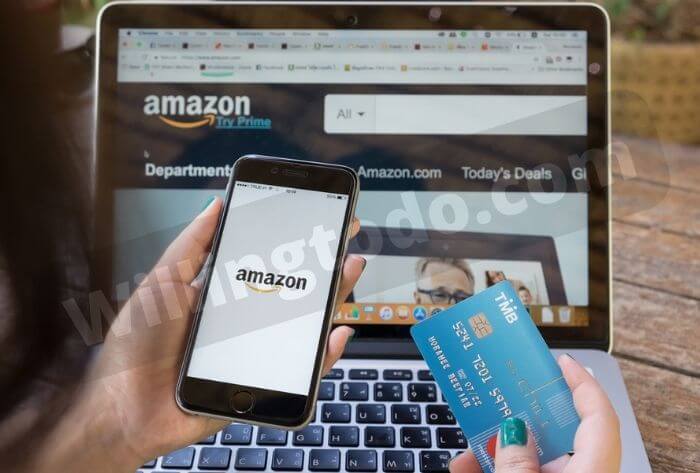
Amazon has spent decades building a reputation as the world’s most customer centric company. When you sell here, you inherit that trust. Millions of users hold Prime memberships, which means they are actively looking for reasons to click the buy button.
They know their transactions are safe, which drastically lowers the psychological barrier to purchasing from a new brand.
Buyers know their information is safe and their shipping will be fast. This site has a very strict check and balance system to keep out fake products, which means satisfied buyers and repeat business.
If you use their Fulfillment by Amazon program, they will handle your inventory, packing, shipping, and customer service, allowing you to scale your operations rapidly.
2.2 Alibaba.com: The B2B Giant
If your goal is to sell in bulk, Alibaba is the leading site to learn how to sell your products online to other businesses. This platform operates on a Business to Business model, connecting manufacturers and wholesalers with buyers who want to purchase inventory by the hundreds or thousands.
It is a completely different landscape than retail, focusing on negotiation, custom manufacturing, and long term contracts.
It is a well-reputed global market where you can set up a storefront and offer end to end wholesale services. The best strategy here is to post your entire catalog to catch the attention of international buyers looking for reliable suppliers.
Providing clear specifications, minimum order quantities, and tiered pricing structures will help you attract serious commercial clients.
2.3 Walmart: High Standards, High Rewards
Walmart is not just a physical retail giant; it is a massive revenue generator in the digital space. Over the past few years, they have aggressively expanded their marketplace to compete directly with other tech giants.
Millions of customers shop here because they trust the Walmart brand and the price range it offers, making it an excellent channel for established brands.
Because the standard for entry is high, there is less competition from low quality sellers, allowing professional merchants to thrive. Walmart manually approves its third party sellers to ensure they have a proven track record of excellent customer service and fast shipping fulfillment, making it a highly prestigious platform for your items.
2.4 Bonanza: The Entrepreneur’s Choice
Bonanza is a growing community that helps you figure out how to sell your products online with minimal fees. It has built its entire reputation on being seller friendly, actively listening to the needs of independent merchants.
The platform focuses heavily on building deep relationships between buyers and sellers rather than treating transactions as anonymous exchanges.
It is an excellent choice for vendors who find the high costs of other platforms discouraging. With millions of products already listed, it has a healthy audience of shoppers looking for unique deals. One of its standout features is the ability to automatically sync your inventory with eBay, Amazon, and Shopify, making multi channel selling incredibly simple.
2.5 eBay: The Original Online Auction
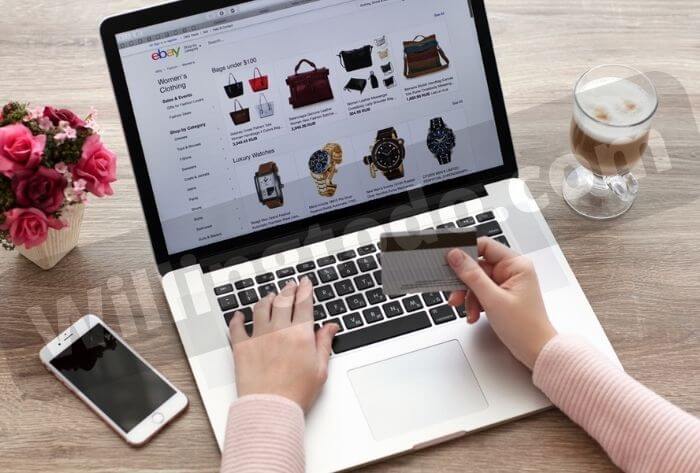
eBay provides a smooth path for selling almost anything. It remains one of the oldest and most versatile platforms on the internet, catering to a massive global audience. While it is famous for auctions, most sales today are “Buy It Now” transactions, allowing you to run a standard fixed price retail operation with ease.
Keep in mind that eBay charges various fees based on your item category and shipping costs, so you must be conscious of your profit margins when listing here.
To succeed, you need to write incredibly detailed titles that contain popular search terms and offer fair shipping rates to keep your listings competitive in their search results.
2.6 Google Express: Simplified Shopping
Now known as part of Google Shopping, this platform allows your products to appear right when someone searches for them. It integrates directly with Google’s main search engine, displaying your product image, price, and store name to users who are actively looking to buy.
This gives small businesses the power to compete directly with massive retail chains.
Note that you generally need to be a registered merchant to take full advantage of Google’s vast shipping and fulfillment network. By setting up a clean Merchant Center account and optimizing your product data feed, you can capture high intent traffic at the exact moment a purchasing decision is being made.
2.7 VarageSale: The Community App
If you want to keep things local and safe, VarageSale is a virtual app that lets you sell within your own community. It functions like a digital neighborhood garage sale, requiring users to pass a manual review process before they can buy or sell. This security measure creates a friendly environment where scams are incredibly rare.
It is completely free to list your items. You can deal with your customers offline, making it a great hybrid of online listing and local pickup.
This is an excellent way to start if you are still learning the ropes of how to sell your products online without investing money upfront for shipping labels or professional packaging materials.
2.8 Etsy: The Creative Sanctuary
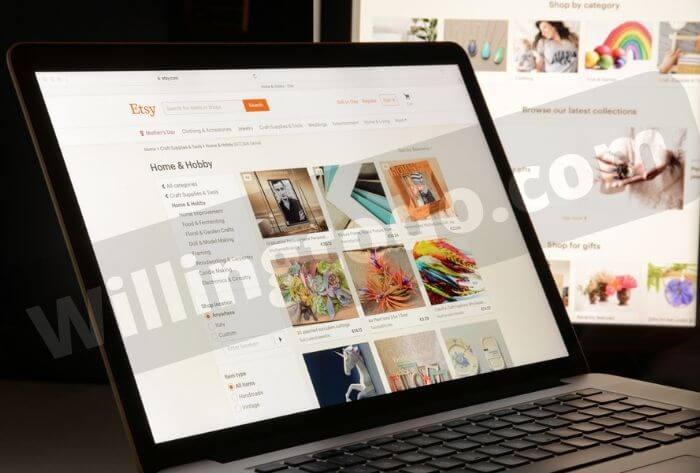
Etsy is the ultimate platform for handmade, vintage, and craft items. Unlike giant retail stores that focus on mass-produced goods, Etsy buyers value the story behind the product.
They are willing to pay a premium for items that feel personal, unique, and masterfully constructed. It is a perfect place for artists and DIY experts to turn a hobby into a full-time income.
To win on Etsy, your photography must be beautiful and evocative. You are not just selling an object; you are selling craftsmanship and individuality. Utilizing their tag system effectively and telling your personal story in the shop section will help you build a deeply loyal customer following over time.
2.9 Handshake: Wholesale for Crafters
Handshake is a marketplace powered by Shopify that focuses on wholesale. If your business is ready to sell to other retailers, Handshake provides a simple format to list your goods. It allows unique creators to scale their production by selling their items in large batches to boutique owners around the country.
It’s an amazing bridge between being a small maker and becoming a large-scale supplier. Because it integrates directly with the Shopify ecosystem, managing your wholesale inventory, tracking incoming invoices, and organizing customer orders feels completely seamless and natural.
2.10 Ruby Lane: Premium Antiques
When it comes to high-end vintage and antiques, Ruby Lane is often the top choice. It caters to a very specific niche of passionate collectors, jewelry enthusiasts, and interior designers. The platform maintains strict quality guidelines, ensuring that every listed item is authentic, vintage, or a genuine work of art.
There are no listing fees, but you do pay a monthly maintenance fee. This ensures that only high-quality, serious sellers are on the platform, which in turn attracts serious buyers with larger budgets. If you possess curated vintage items, this targeted traffic will yield much better conversions than a general marketplace.
2.11 Chairish: Luxury Home Decor
If you have high-quality furniture or interior decor items, Chairish is the place to be. It is a curated consignment store that helps you reach shoppers who are looking for specific, high-standard designs.
They handle the logistical complexities of shipping large furniture pieces, which is often a major headache for independent sellers.
While they take a percentage of the sale, the high price points often make it very worthwhile. Designers and affluent homeowners frequent this platform looking for statement pieces, meaning your inventory can command a premium price if it fits their aesthetic standards.
2.12 Swappa: The Tech Specialist
In our digital age, everyone has old gadgets. Swappa is the best marketplace for selling tech like phones, tablets, and cameras. It protects users by verifying listings and ensuring that every device sold is fully functional and ready to be activated on a wireless network, eliminating the fraud common on other platforms.
It is very affordable with a small flat fee for featured listings, making it a highly successful way to sell electronics directly to users. By bypassing traditional trade in programs, you can get significantly more cash for your used devices while providing a fantastic deal to the buyer.
3. Social Media and Advertising Strategies
Once you know where to list, you need to know how to promote. Relying solely on organic marketplace traffic is rarely enough if you want to scale a serious enterprise. Using social media and search engine ads can drastically speed up your success and build immediate momentum for your products.
3.1 Selling via Facebook
Facebook is one of the most user-friendly apps for running a business. It provides a massive suite of tools designed specifically to help small merchants find their perfect audience. You can choose the organic route by posting in groups and on your page, or use paid ads for faster results.
To succeed, you must set up a professional Business Page and link your products directly to a Facebook Shop so customers can buy without leaving the app.
This smooth checkout process reduces friction, causing conversion rates to climb naturally. Engaging directly with your followers through video and comments builds the social proof needed for sustained growth.
3.2 Running Google Ads
Google is the starting point for most shopping journeys. By running Google Shopping Ads, you put your product in front of people exactly when they are searching for it. This intent-based marketing is incredibly powerful and is a key step in learning how to sell your products online effectively.
Unlike regular social media ads where you are interrupting someone’s feed, search ads catch buyers when they are actively looking for a solution. This can be especially helpful if you are also looking for ways to make money as a teen and want to see fast results without spending years building an audience from scratch.
3.3 Nextdoor and Craigslist
For those who prefer local classifieds, Nextdoor and Craigslist remain relevant. Nextdoor is great for building neighborhood trust, allowing local residents to support nearby creators and businesses. It provides an excellent platform for heavy items that are too expensive to ship traditionally.
Craigslist is a no-frills way to post a quick ad. Both are very cheap or free, allowing you to keep almost all of the sale price. When using these platforms, always prioritize personal safety by meeting buyers in well lit public spaces, such as a designated police station parking lot, to complete your transactions.
Expert Tips for Online Selling Success
Transitioning to an online model is a responsible task that requires a professional mindset. To get the most profit, you must be consistent and honest.
High-quality photos, clear descriptions, and fast communication with buyers are the non-negotiable foundations of any digital empire. If your pictures are blurry or your descriptions are vague, shoppers will simply click away to a competitor.
Pro Tip: Invest time in optimizing your product descriptions for search engines. Use clear headings, bullet points for technical specs, and answer common customer objections right in the copy to increase your conversion rates.
Always remember to check the policies of whatever platform you choose. Each has different rules regarding returns, shipping, and payments.
By following these guidelines and choosing the right marketplace for your specific niche, you will find that online selling offers much higher profit potential than traditional manual methods. Treat your digital storefront with the same respect you would give a physical shop, and the results will follow.
Frequently Asked Questions
Is there a high risk when selling products online?
While any business has risks, selling on established platforms is generally very safe. Most sites offer robust seller protection policies and secure payment gateways that prevent fraud.
As long as you follow the platform’s terms of service, document your shipping process, and communicate clearly with buyers, you can minimize any potential ambiguity or risk effectively.
What items sell the fastest in the online market?
Currently, clothing, home essentials, tech accessories, and unique handmade bags are among the fastest-selling items. However, the best item to sell is one that you can source reliably and that has a clear demand from a specific group of people.
Focus on finding a balance between high demand and manageable competition levels.
How long will it take to see my first sale?
The timeline depends heavily on your niche and your marketing effort. If you have a high-quality product and use paid ads or a high-traffic marketplace like Amazon, you could see sales within days. Organic growth on a new independent store typically takes longer, often requiring several months of consistent SEO work and brand building.
Do I need a lot of money to start an online business?
No, you can start very small. Many people begin by selling items they already own on free apps like VarageSale or Craigslist. Once you have a small amount of capital, you can reinvest it into inventory and move onto more professional platforms like Shopify to scale your operations steadily.
Which platform is the most trustworthy for beginners?
Amazon and Etsy are often considered the most trustworthy for beginners because they handle the trust factor for you. Buyers already feel comfortable spending money on these sites, which allows you to focus on your product quality and customer service rather than trying to prove your website is completely legitimate.
Do I need a business license to sell products online?
The requirements vary depending on your local laws, your country, and your overall sales volume. Many casual sellers start out as sole proprietors without formal registration, but as your revenue grows, registering a legal business entity is highly recommended for asset protection and tax compliance purposes.
Conclusion
Figuring out how to sell your products online is the first step toward a more flexible and profitable future. Whether you choose to build a brand on Shopify, tap into the massive audience of Amazon, or sell unique crafts on Etsy, the opportunities are endless.
The digital landscape is constantly evolving, but the core fundamentals of commerce remain exactly the same: find a need, supply a quality solution, and treat your customers with respect.
By staying focused, providing real value to your customers, and using the diverse platforms available in 2026, you can turn your entrepreneurial vision into a thriving reality.
Success will not happen overnight, but consistency will yield incredible results. Now is the time to take your business digital and start earning the income you deserve.