
 Harriet Wetton
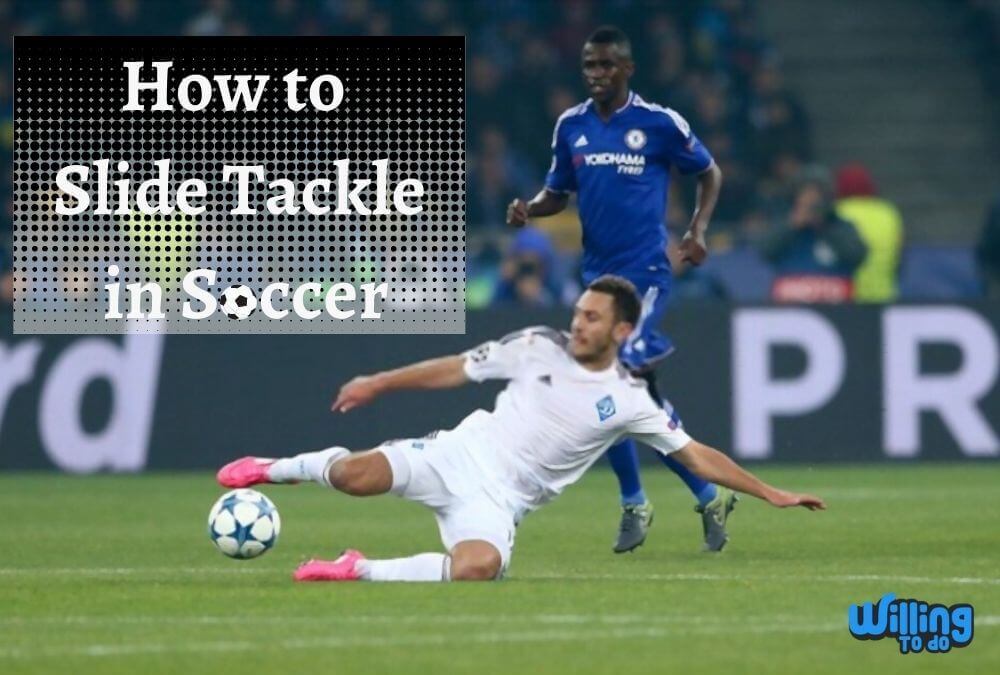
Some defensive moves in sports feel like a complete game changer. Learning how to slide tackle in soccer is exactly that kind of skill. A perfectly timed slide can turn the momentum of a match in your favor, while a poorly executed one might leave your team vulnerable or result in a penalty.
While there are multiple ways to win the ball back, the slide tackle remains one of the most effective yet riskiest tools in a defender’s arsenal. If a player performs this action correctly, it becomes a symbol of defensive dominance.
This expert guide will walk you through the mechanics, timing, and safety of how to slide tackle in soccer so you can master these essential defending hacks.
Why does a soccer player perform a slide tackle?
In most scenarios, a slide tackle is a last resort used when an attacker and defender are sprinting in the same direction. Learning how to slide tackle in soccer is often necessary to stop a fast break or a dangerous counterattack.
It allows a defender to cover a significant amount of ground quickly, reaching for a ball that would otherwise be out of range for a standing tackle.
Beyond just winning the ball, a slide tackle acts as a tactical statement. It shows the opponent that you are willing to put your body on the line to protect your goal.
Interestingly, just like in other risk-reward situations such as how to ice skate for beginners, precision and timing are key. Slide tackles give defenders a large coverage area and a tactical edge when used smartly.
It is about maximizing your reach while maintaining enough control to regain your feet if the first attempt doesn’t fully clear the danger.
How to slide tackle in soccer
While the slide tackle is high risk, it is an essential part of becoming a complete soccer player. It is not as simple as just falling to the ground. There are specific techniques and mental checks you must perform before making your move.
Whether you are a casual fan or an aspiring pro, understanding the nuances of how to slide tackle in soccer will help you appreciate the defensive side of the game much more.
Let’s break down the process into actionable steps starting with the most important part: the mental preparation.
Peer up the situation
As you set foot on the pitch, you must constantly scan the field. In a live match, a slide tackle can shift the entire energy of the stadium. Before you drop to the turf, you need to determine if the situation is right.
If you find yourself near the touchline, that is an ideal spot for slide tackling. From there, you can hook the ball out of bounds, giving your teammates precious seconds to get back into their defensive positions.
Conversely, the central area of the pitch is often less favorable. If you miss the tackle in the middle of the field, you are stuck on the ground while the attacker continues toward your goal with one less defender to worry about.

I. Figure out what you want to do
First, you must assess the probability of success. Before committing to how to slide tackle in soccer, ask yourself: Can I actually reach the ball? Can I knock it out of play or regain possession?
You must think wisely about your action plan in a split second. If the attacker has the ball too close to their body, a slide might lead to a foul. If the ball is slightly pushed ahead, that is your window to strike. Execute only when you are confident you can hit the ball first.
II. Choose the tackling type
Before moving to learn the physical slide, you should recognize that there are different ways to dispossess an opponent. Choosing the right one for the moment ensures you get the desired consequences without unnecessary risk.
Standing tackle
As the name suggests, in a standing tackle, you stay on your feet. You use your lead foot to poke or block the ball away from the opponent’s control. This is generally safer because you can keep running immediately after the contact.
Block tackle
This is often the opposite of a standing tackle. In this scenario, you are usually off your feet or committing your full weight into a sliding motion to block the path of the ball.
It is much riskier than the standing version because it requires total commitment. If you miss, you are out of the play.
Additionally, you might opt for other techniques like the barge tackle or the cut-off tackle. Choosing the style that fits the current pace of the game is a major part of learning how to slide tackle in soccer. These techniques are the turning points that separate average defenders from elite ones.
Approach your opponent
Once you have judged the situation and made the decision to go for it, the next phase of how to slide tackle in soccer is the approach. You cannot simply dive from a standstill. You need momentum and the right angle to ensure the tackle is clean and legal.

I. Run with him
On the soccer ground, speed is your best friend. Running alongside your opponent gives you the best angle for a successful slide. If you want to successfully execute how to slide tackle in soccer, you must match the attacker’s pace.
Try to stay slightly to the side of them. Tackling a player directly from behind is illegal in modern soccer and will almost certainly result in a red card. Always aim to come from the side or a slight front angle so the referee can clearly see you are playing the ball and not the player’s legs.
II. Put your attention on the ball
Focus is everything. Keep your eyes locked on the ball rather than the opponent’s feet or eyes. You are looking for that tiny window where the attacker touches the ball just a bit too far forward.
In all sports, focusing on the equipment is a pro tip, but when learning how to slide tackle in soccer, this focus must be intense.
As long as the ball is within the opponent’s immediate reach, they can easily shield it or change direction. Wait for the moment the ball is “exposed.”
III. Find the best chance to slide tackle
Patience is a defensive virtue. You cannot slide tackle randomly throughout the ninety minutes. Instead, wait for the attacker to enter a zone where they have fewer options, such as toward the corner flag or the sideline.
When that perfect opportunity presents itself, do not hesitate. A split second of doubt can be the difference between a clean tackle and a dangerous foul. When you see the opening, commit fully.
Execute slide tackle
This is the moment of truth. When your path is clear and your timing is set, you can execute the slide. This is the most satisfying part of mastering how to slide tackle in soccer, but it requires strict adherence to form to avoid injury to yourself or others.

I. Bend the leg nearest to your opponent
Each leg serves a specific purpose during the slide. The leg closest to the attacker should be tucked and slightly bent. This leg actually helps you control the slide and allows you to pop back up quickly once the move is over.
For a proper approach to how to slide tackle in soccer, tuck this leg under your buttocks or slightly to the side. If you keep this leg straight, you risk catching it in the grass or colliding awkwardly with the opponent, which could cause a serious ankle or knee injury.
II. Slide with the leg furthest from your opponent
The leg that is furthest from the attacker is your “tackling leg.” This is the leg you extend to reach for the ball. Because it is coming across the path of the ball, it gives you much better reach and control.
To perform the perfect slide, keep this leg straight but not locked. Use your laces or the side of your foot to make contact with the ball. This extension is the core mechanic of how to slide tackle in soccer.
III. Put down your hip of the tucked leg
There are specific ways to maintain control of your body weight while sliding. You want to land on the outer hip of the leg you have tucked in. This posture allows you to glide across the grass smoothly.
Landing directly on your side or your back can cause “strawberry” burns or bruising. By landing on the hip, you use your body’s natural padding to stay safe. This is a vital tip for anyone wondering how to slide tackle in soccer without getting hurt every time they go to the ground.
IV. Hit the ball and perform a tackle
Once you are in position, it is time for the aggressive strike. Your goal is to kick the ball away from the attacker’s path or, better yet, hook it so it stays near you. As your toes or the side of your foot make contact, ensure you are pushing the ball away from the opponent’s direction of travel.
This is the definitive action in how to slide tackle in soccer. If you hit the ball first, even if the player trips over you afterward, it is usually considered a legal and successful tackle.
Carry out after slide tackle
The job isn’t finished just because you hit the ball. What you do in the seconds following the slide determines whether your team actually benefits from your effort. Follow these recovery steps to ensure your hard work pays off.

I. Get up immediately
Speed of recovery is just as important as the tackle itself. If you stay on the ground to celebrate or catch your breath, you are leaving your team a man down. Use the momentum of your slide and your tucked leg to push yourself back up to a standing position.
Many players make the mistake of watching the ball while sitting on the grass. To truly master how to slide tackle in soccer, you must be back on your feet and ready to play within two seconds of hitting the turf.
II. Clear the smart position
After a successful slide, clear the area or look for the next play. If you managed to keep the ball near your feet, look for a teammate to pass to immediately. If the ball went out of bounds, quickly reorganize your defensive line.
For those learning how to slide tackle in soccer, remember that the goal is not just to stop the attacker, but to start a new offensive move for your own team.
III. Dribble up the ground as you steal the ball
If you have executed the “hook” version of a slide tackle, you may find the ball right at your feet as you stand up. This is the ultimate defensive victory. Don’t just clear it aimlessly. If you have space, dribble the ball forward to relieve pressure on your defense.
Stealing the ball cleanly is the primary reason why players learn how to slide tackle in soccer. It turns a dangerous defensive moment into a counterattacking opportunity.
IV. Follow the ball and chase it
Sometimes the ball ends up in “no man’s land” after a tackle. It might skip away from both you and the attacker. In this case, the slide tackle was only the first half of the battle. You must be the first one to reach that loose ball.
Whether you are following a teammate’s advice or using your own instincts, chasing the ball down is essential. If you are enthusiastic about how to slide tackle in soccer, you must show the work rate to win the second ball as well. Your speed and determination will ensure the ball stays out of your opponent’s clutches.
For more professional growth tips, you can check out our guide on how to get a job on Fiverr or learn how to become a sports manager if you prefer the business side of the pitch.
FAQs
Is a slide tackle necessary in soccer?
While not every defender uses it, a slide tackle is a vital tool for high level play. It helps in winning the ball when you are at a distance or need to block a shot quickly. If a soccer player has enough knowledge about this art, it becomes a winning sign for the team.
However, it should not be the only way you defend. Standing tackles are often more efficient for everyday situations.
Why does a slide tackle seem riskier than other moves?
There is always a level of risk when you leave your feet. Any flaw in the timing may lead to a foul, resulting in a yellow or red card. Additionally, there is a risk of injury to the ankles or knees if the feet get caught in the turf.
Learning how to slide tackle in soccer properly minimizes these risks by teaching you the correct body posture and landing techniques.
What is the ideal time for tackling in the game?
The ideal time is when the ball is slightly away from the attacker’s foot and you are close enough to reach it with an extended leg. Usually, this happens during a sprint near the sidelines.
You have to run alongside the opponent and keep your eyes on the ball. When you see that gap between the player and the ball, that is your moment to execute the plan.
Can you slide tackle from behind?
In modern soccer, tackling from directly behind an opponent is almost always a foul and often results in an immediate red card. It is considered dangerous play because the attacker cannot see the challenge coming and is more likely to be injured.
To stay within the rules of how to slide tackle in soccer, always approach from the side or at an angle where you can clearly reach the ball first.
What surface is best for practicing slide tackles?
Wet or damp grass is the easiest surface for learning because it allows you to slide smoothly without much friction. Practicing on dry, hard ground or artificial turf can lead to “turf burn” or skin abrasions.
If you are practicing how to slide tackle in soccer on artificial surfaces, it is wise to wear long leggings or protective gear to keep your skin safe.
Conclusion
Mastering how to slide tackle in soccer is a journey of timing, bravery, and technique. It is a move that requires total commitment. By understanding when to stay on your feet and when to go to the ground, you become a much more formidable defender.
Remember to always prioritize the safety of yourself and other players by aiming for the ball and never the man. With practice and the right defending hacks, your slide tackle will become a highlight of your game and a key to your team’s success on the field.