
 Harriet Wetton
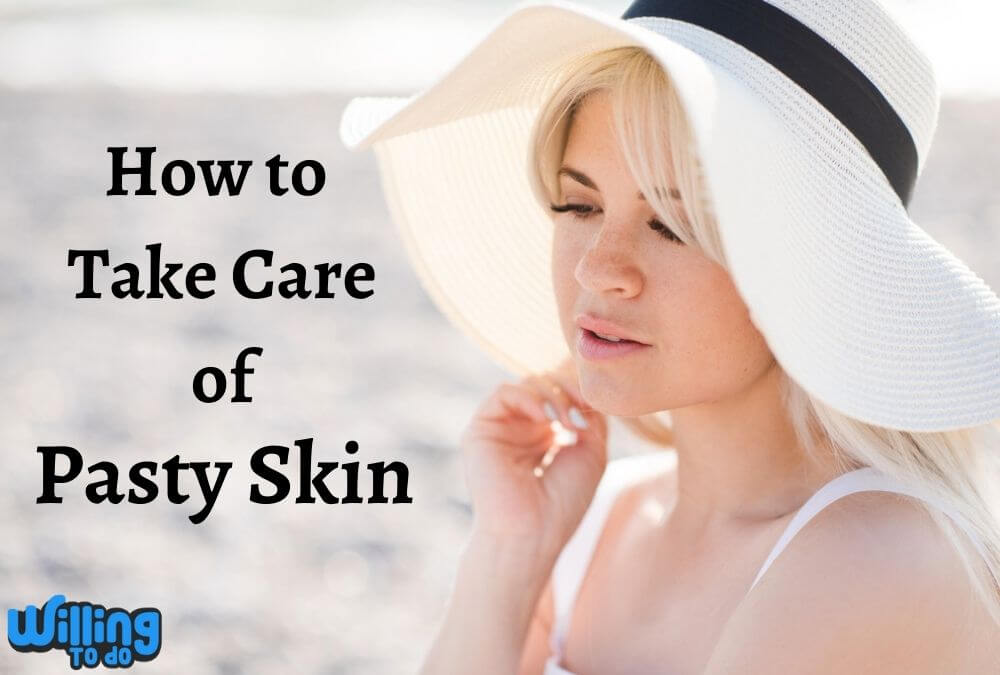
There are many different regions in the world where people carry naturally pale skin tones. Pasty skin usually means your skin looks significantly lighter or more translucent than the typical hue of those around you.
If you find yourself with this complexion, you are likely wondering how to take care of pasty skin to keep it looking vibrant rather than washed out. Dealing with such a specific skin tone is a unique journey that requires a thoughtful approach.
It is not always as easy as it seems, as pale skin tends to be thinner and more reactive to the world around it. To truly understand the best skincare protocols for your fair complexion, keep reading to discover expert suggestions that go far beyond basic moisturizing.
What Exactly Is Pasty Skin?
You have likely seen individuals whose skin looks much lighter than a typical olive or tan hue. This is often referred to as pasty skin, though it is also known as paleness or a faint skin tone.
In many cases, it expresses a somewhat unnatural appearance or a lack of color that can make a person look tired or even unwell, even if they feel perfectly fine.
This skin type is frequently characterized by a high sensitivity to irritation from environmental factors like wind, cold, and especially the sun. Because pasty skin is often thinner, the underlying blood vessels can sometimes be more visible, giving the skin a cool or even slightly bluish undertone.
Learning how to take care of pasty skin starts with recognizing that your skin has different needs than those with more melanin.
If you’re curious about skin appearance and how it can change, you might also be interested in learning how to cover dark circles without makeup as it relates to overall skin tone and facial aesthetics.
Since pale skin can make shadows under the eyes appear more prominent, balancing your overall tone is a great first step toward a healthier look.
What are the Primary Causes of Pasty Skin?
If you are concerned about how to take care of pasty skin, you must know the causes first. While many people are born with a porcelain or fair complexion due to genetics, several other factors can cause the skin to appear pasty or washed out over time.
Pasty skin is usually caused by a lower concentration of melanin, which is the pigment that gives skin its color. However, the physical appearance of “pastiness” is often tied to the thickness and density of the blood vessels just beneath the surface.
A reduction in the number of red blood cells, often known as anemia, is a major factor that leads to a pale or pasty look.
Furthermore, if blood flow and oxygen levels decrease due to sudden shock, fainting, or chronic stress, the skin can lose its natural warmth.
Beyond genetics and circulation, several specific medical and lifestyle causes are involved. Let’s cast a glance at them:
- Albinism (a genetic condition affecting melanin production)
- Aplastic Anemia or Folic acid deficiency
- Respiratory issues that affect oxygen levels in the blood
- Medication side effects that cause vasoconstriction
- Malnutrition or a lack of essential nutrients
- Lack of Sun Exposure (especially during winter months)
- Vitamin B12 Deficiency, which is crucial for red blood cell health
- Autoimmune Hemolytic Anemia
- Lifestyle habits like smoking or high stress
Comprehensive Strategies: How to Take Care of Pasty Skin
People with pale skin often struggle with sun sensitivity, frequent redness, and a tendency toward dryness. Because your skin lacks the natural protective barrier that higher melanin levels provide, you have to pay much more attention to your daily routine.
Below are several helpful tips and remedies to help you master how to take care of pasty skin and protect your delicate complexion.
Protect Your Skin from Cumulative Sun Damage

Regardless of whether you were born fair or have pasty skin due to other factors, your number one priority is sun protection. This type of skin is exceptionally vulnerable to UV rays.
Whether you have blonde hair, blue eyes, or are a redhead, you want to go above and beyond to prevent burns and long term damage. When you are looking for how to take care of pasty skin in the sun, follow these strict guidelines:
- Always prioritize high quality sun protection. For pasty skin, an SPF 15 is rarely enough; look for broad spectrum sunscreen with SPF 30 or SPF 50 for daily use.
- Physical blockers containing Zinc Oxide or Titanium Dioxide are incredibly worthwhile. These minerals sit on top of the skin and reflect UV rays like a mirror, which is much better for sensitive skin than chemical filters.
- Seek shade whenever possible. If you are at the beach or a park, bring a parasol or sit under a tree during the peak hours of 10 AM to 4 PM.
- Invest in sun protective clothing. A wide brimmed hat and wrap around sunglasses are essential tools for anyone with a pale complexion.
- Avoid traditional sunbathing. Tanning in direct sun exposure may severely damage your skin. If you want a sun kissed look, it is much safer to use a high quality self tanner or bronzer.
While these restrictions might seem heavy, it doesn’t mean you should stay stuck indoors. Sunlight is an ideal source of Vitamin D, which is vital for bone health and mood regulation.
The key is to enjoy the outdoors with great care. Nature provides the sun for our health, but your pasty skin requires a smart barrier to enjoy it safely.
How to Take Care of Pasty Skin Through Nutrition
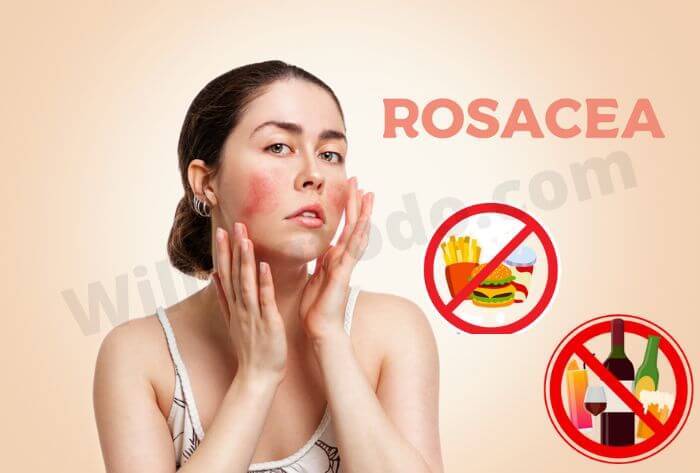
Pasty skin is often more sensitive to what you put inside your body. This skin tone is frequently susceptible to Rosacea, a condition that causes flushing, visible blood vessels, and small pimples.
If you find that your face flushes easily, you need to be mindful of your diet to prevent flares. Managing how to take care of pasty skin involves avoiding triggers that cause redness:
- Limit alcohol consumption, particularly red wine, which is a common trigger for skin flushing.
- Avoid overly zesty or spicy food items that can increase internal heat and cause facial redness.
- Be cautious with hot drinks. Steam rising from a cup of coffee or tea can cause a temporary flush on a pale face.
On the flip side, certain foods can actually help your skin look more radiant. Hydration is the most important factor. Make sure to drink at least 10 glasses of water per day.
This helps your skin cells stay plump and assists the body in flushing out toxins that can make the skin look dull or “muddy.”
Fruits are also a natural way to boost your glow. Papaya is an excellent choice for those with pasty skin because it contains enzymes that offer a mild, natural peeling effect, helping to remove dead skin cells that cause a greyish cast.
Additionally, foods rich in healthy fats, like avocados and nuts, help maintain the skin’s lipid barrier, which is often thinner in fair skinned individuals.
If you want to learn more about improving your overall look, check out our guide on how to glow up physically and mentally for more lifestyle tips.
Developing a Strong and Gentle Skincare Regimen
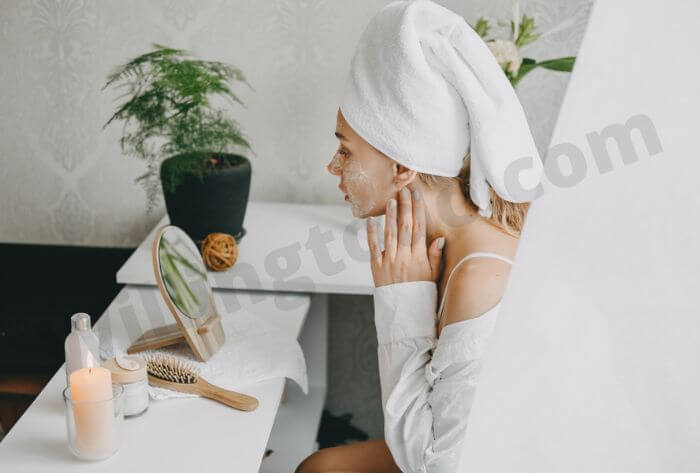
Because pale skin is often delicate, your daily routine needs to be consistent but never harsh. A “less is more” approach often works best. To master how to take care of pasty skin, consider these fundamental steps for your daily regime:
- Use a gentle soap or creamy cleanser that does not strip your natural oils. Avoid products with heavy fragrances or alcohols.
- Look for skincare products specifically labeled for sensitive skin or “hypoallergenic” to avoid unnecessary irritation.
- Moisturizing is non negotiable. Apply a high quality, ceramide rich moisturizer at night to help repair the skin barrier while you sleep.
- Use micellar water for a second cleanse. It is incredibly effective at removing dirt and oil without the need for vigorous scrubbing, which can cause redness in pale skin.
- Exfoliate with caution. While removing dead skin is important for a glow, pasty skin should only be treated with a very mild exfoliant once or twice a week. Over exfoliating can lead to broken capillaries.
Specialized Tips for Maintaining Your Complexion
Every skin concern has a practical solution. While having pasty skin might feel like a challenge in a world that prizes tan aesthetics, there are many ways to embrace and enhance your natural look.
Here are some extra tips regarding how to take care of pasty skin through lifestyle and cosmetics.
1. Choosing the Right Cosmetic Shades
You must be selective with the products you use. The goal is to enhance your natural tone rather than masking it with a thick, dark base. If you want to look your best, try these makeup swaps:
- Use a lightweight foundation or skin tint that matches your neck exactly. A thick, “tan” foundation on pasty skin often looks orange or cakey.
- Experiment with red or berry lipsticks. These colors provide a beautiful contrast against pale skin that looks classic and vibrant.
- Swap black eyeliner for dark brown. Brown is less harsh and provides a softer, more natural definition for light eyes and skin.
- Choose rosy or pink blushes. These mimic a natural, healthy flush far better than muddy bronzers.
2. Embrace Your Freckles
Many people with pasty skin are prone to freckles. Instead of seeing them as a flaw, realize that they are a natural part of your skin’s character. While laser treatments can remove them, they are expensive and often unnecessary.
If you want to balance your freckles without hiding them, use a sheer tint instead of a full coverage foundation. This allows your skin’s natural texture to show through while evening out any redness.
Also, remember that staying consistent with sunscreen will prevent your freckles from merging into larger sunspots.
3. The Importance of Quitting Smoking
Avoiding smoking is a critical part of how to take care of pasty skin. Smoking is notoriously hard on the skin, but the effects are often much more visible on pale complexions. Smoking restricts blood flow, which deprives your skin of oxygen and nutrients.
This leads to a grey, “pasty” appearance that looks significantly aged. It also contributes to fine lines around the mouth and eyes much earlier in life.
For a truly healthy glow, keeping your lungs clear is just as important as your skincare products. You can read more about the long term effects of smoking to understand why this is so vital for your health.
Medical Treatments and Professional Care
Sometimes, pasty skin isn’t just about topical care; it might be a sign that something internal needs attention.
If your paleness came on suddenly or is accompanied by fatigue, you should consult a professional. Here are a few ways medical intervention can help:
- Get a blood test to check for iron, Vitamin B12, or folic acid deficiencies. Supplements can often restore a healthy color to the skin within weeks.
- Consult a dermatologist if you notice unusual moles or spots. People with fair skin are more susceptible to conditions like Basal Cell or Squamous Cell Carcinoma.
- Ensure you are managing any chronic conditions, like thyroid issues, which can affect skin tone and texture.
- In rare cases of severe anemia or arterial blockages, medical procedures might be necessary to restore proper circulation and skin health.
Frequently Asked Questions
Why does my skin look pasty even though I go outside?
Pasty skin isn’t always about a lack of sun. It can be caused by thin skin, poor circulation, or a lack of certain nutrients like iron and B12.
Even if you are outdoors, your genetics might simply produce less melanin, which is perfectly healthy as long as you protect it.
Can I ever get a tan if I have pasty skin?
Most people with very pale or pasty skin find it difficult to tan and usually burn instead.
It is much safer for your long term health to embrace your natural tone and use self tanning lotions if you desire a darker look. Protecting your skin from DNA damage is more important than a temporary tan.
Is pasty skin a sign of a health problem?
Not necessarily. Many people are naturally fair. However, if you notice your skin has recently become much paler than usual, or if you feel tired and short of breath, it could be a sign of anemia or a vitamin deficiency. A quick check up with a doctor can provide peace of mind.
What is the best color of clothing for pasty skin?
Jewel tones like emerald green, royal blue, and deep plum often look stunning on pasty skin. These colors provide a rich contrast that makes the skin look bright rather than washed out. Avoid very pale yellows or beiges, which can sometimes blend too much with your skin tone.
Does drinking water really help pale skin?
Yes. Because pale skin is often thinner, dehydration shows up much faster as fine lines and dullness. Drinking plenty of water keeps the skin cells hydrated, which helps light reflect off the surface of your skin, giving you a more natural “glow.”
Bottom Line
By now, you have gathered a wealth of information on how to take care of pasty skin. Whether your complexion is a result of genetics or lifestyle factors, the path to healthy skin is built on protection, hydration, and gentle care.
You have to go the extra mile to shield yourself from the sun and harsh chemicals, but the reward is a porcelain glow that is timeless and elegant.
If you want to learn more about identifying your specific skin needs, you might find our skin color chart guide very helpful. Remember, if you ever notice sudden changes in your skin tone, always reach out to a professional dermatologist for personalized advice.