
 Harriet Wetton
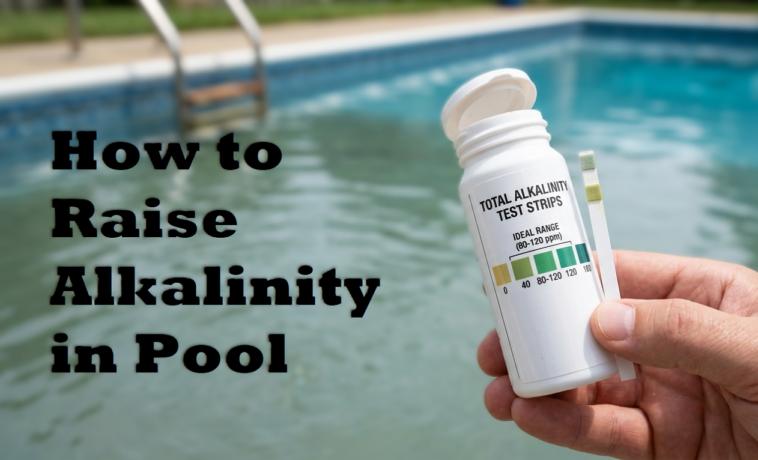
If you are searching how to raise alkalinity in pool water quickly, the most effective method is adding sodium bicarbonate (baking soda). Generally, you will need 1.5 lbs of baking soda per 10,000 gallons of water to raise total alkalinity by 10 ppm. Always test your water first to ensure your current levels are below the ideal range of 80 to 120 ppm before adding treatments.
At WillingToDo, we believe pool maintenance shouldn’t feel like a high school chemistry final. This guide will show you exactly how to raise alkalinity in pool environments using simple steps, household items like baking soda, and expert secrets that keep your water sparkling all summer long.
What is pool alkalinity, and why does it matter?
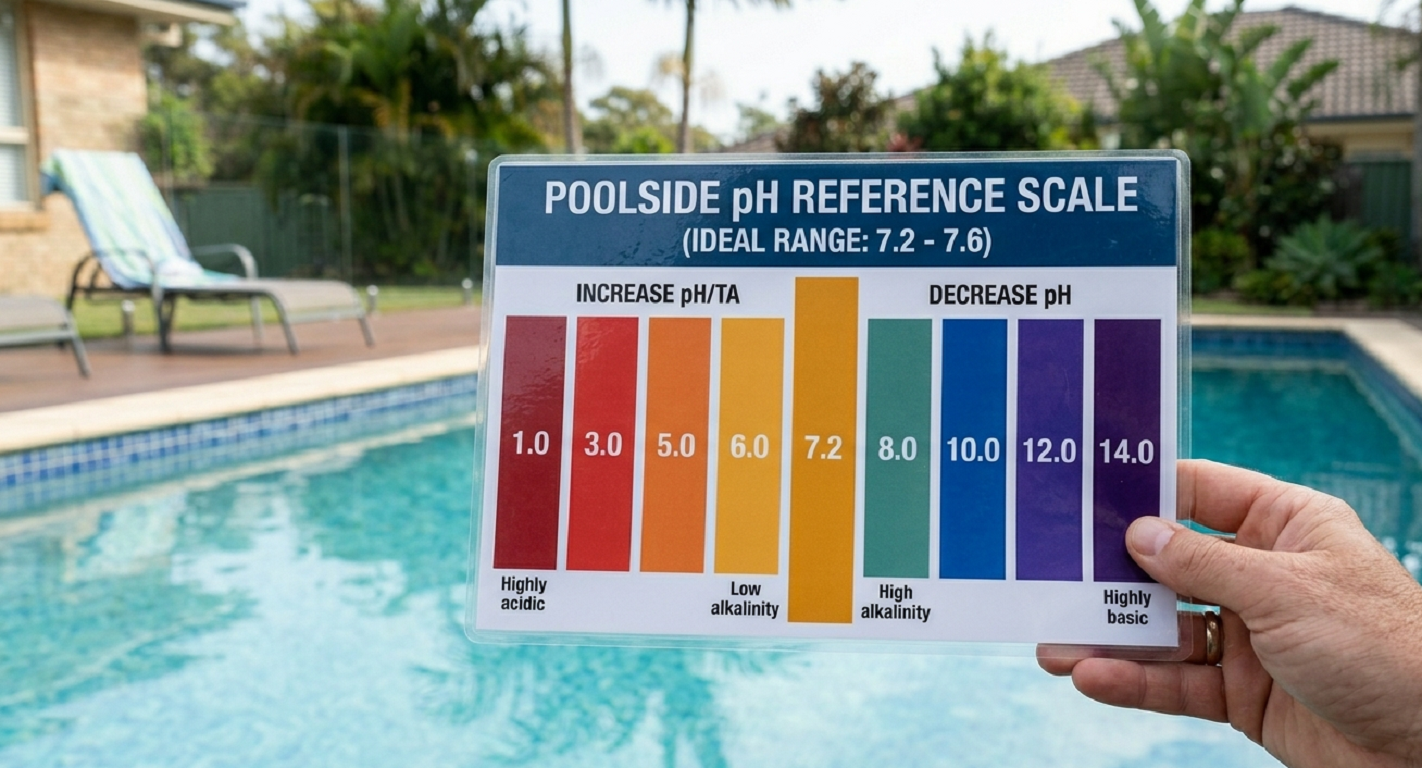
Before we grab the chemicals, let’s understand what we are actually doing. Imagine alkalinity as a bodyguard for your pH levels.
Total Alkalinity (TA) is a measurement of the alkaline substances in your water. Its primary job is to act as a buffer. It absorbs changes in acidity so that your pH stays stable. If your alkalinity is too low, any little thing a rainstorm, a few extra swimmers, or adding chlorine will cause your pH to crash or spike.
Why You Should Care
-
Equipment Protection: Low alkalinity makes water acidic. This eats away at pool liners, ruins heaters, and pits your concrete.
-
Swimmer Comfort: Acidic water causes itchy skin and burning eyes.
-
Chemical Efficiency: When alkalinity is right, your chlorine works better. You actually save money because you use fewer chemicals.
The Golden Rule: Always balance your Total Alkalinity before you try to fix your pH.
How to Test Your Pool Alkalinity
You cannot fix what you haven’t measured. To get an accurate reading, you need a high-quality test kit or test strips.
-
Collect a Sample: Reach about elbow-deep into the water, away from the return jets.
-
Use Your Kit: Follow the instructions on your liquid drops or strips.
-
Read the Number: The ideal range for pool alkalinity is 80 to 120 parts per million (ppm).
If your test shows anything below 80 ppm, it is time to raise it. If it is below 50 ppm, you are in the “danger zone” where equipment damage happens quickly.
How Much Baking Soda to Raise Alkalinity in a Pool?
The most common and cost-effective way to raise alkalinity is by using Sodium Bicarbonate. You might know it better as simple baking soda.
It is the exact same substance sold in “Alkalinity Increaser” bottles at pool stores, but usually much cheaper at the grocery store.
The Standard Formula
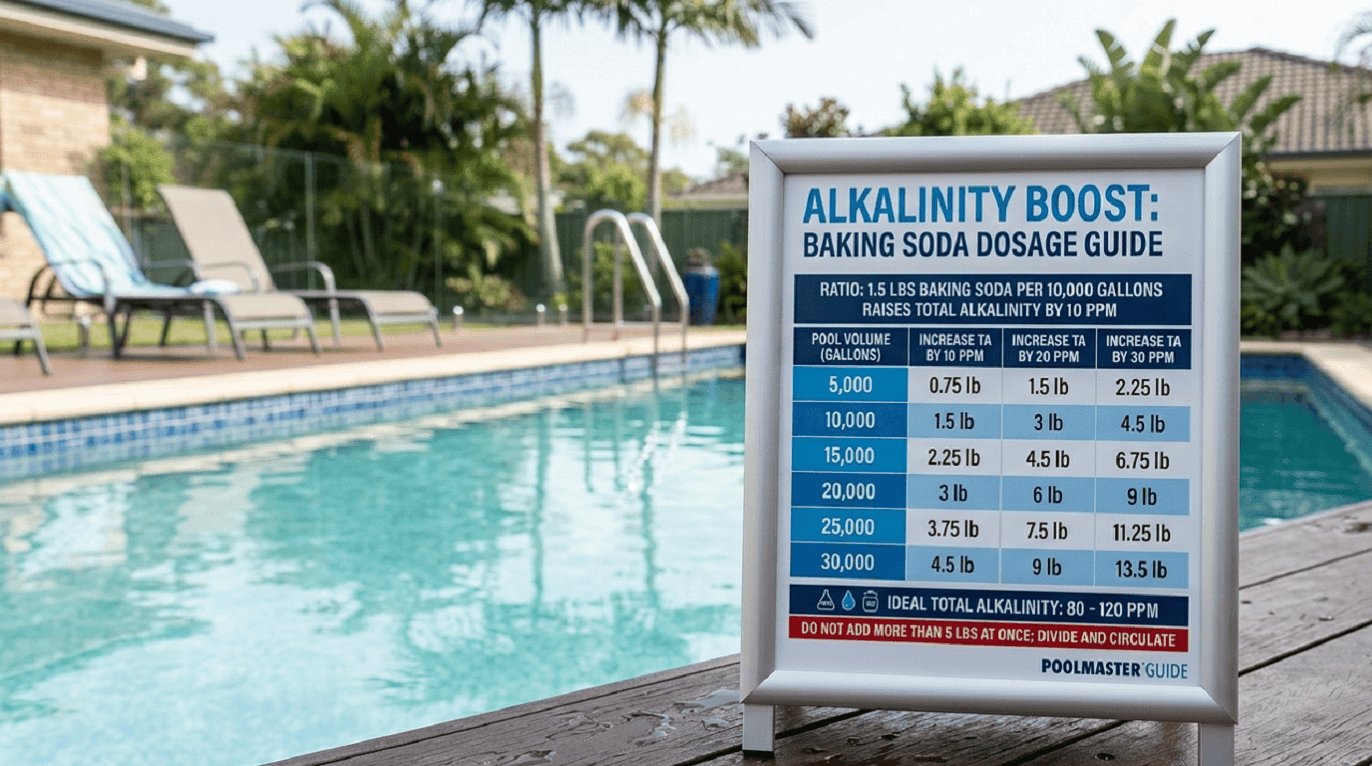
To raise your alkalinity by 10 ppm in a 10,000-gallon pool, you need about 1.5 pounds of baking soda.
| Pool Size (Gallons) | Amount to raise by 10 ppm |
| 5,000 | 0.75 lbs |
| 10,000 | 1.5 lbs |
| 15,000 | 2.25 lbs |
| 20,000 | 3 lbs |
Pro Tip: Never add more than 2 pounds of baking soda per 10,000 gallons at one time. If you need a big jump, do it in stages.
Step-by-Step Guide: How to Raise Alkalinity
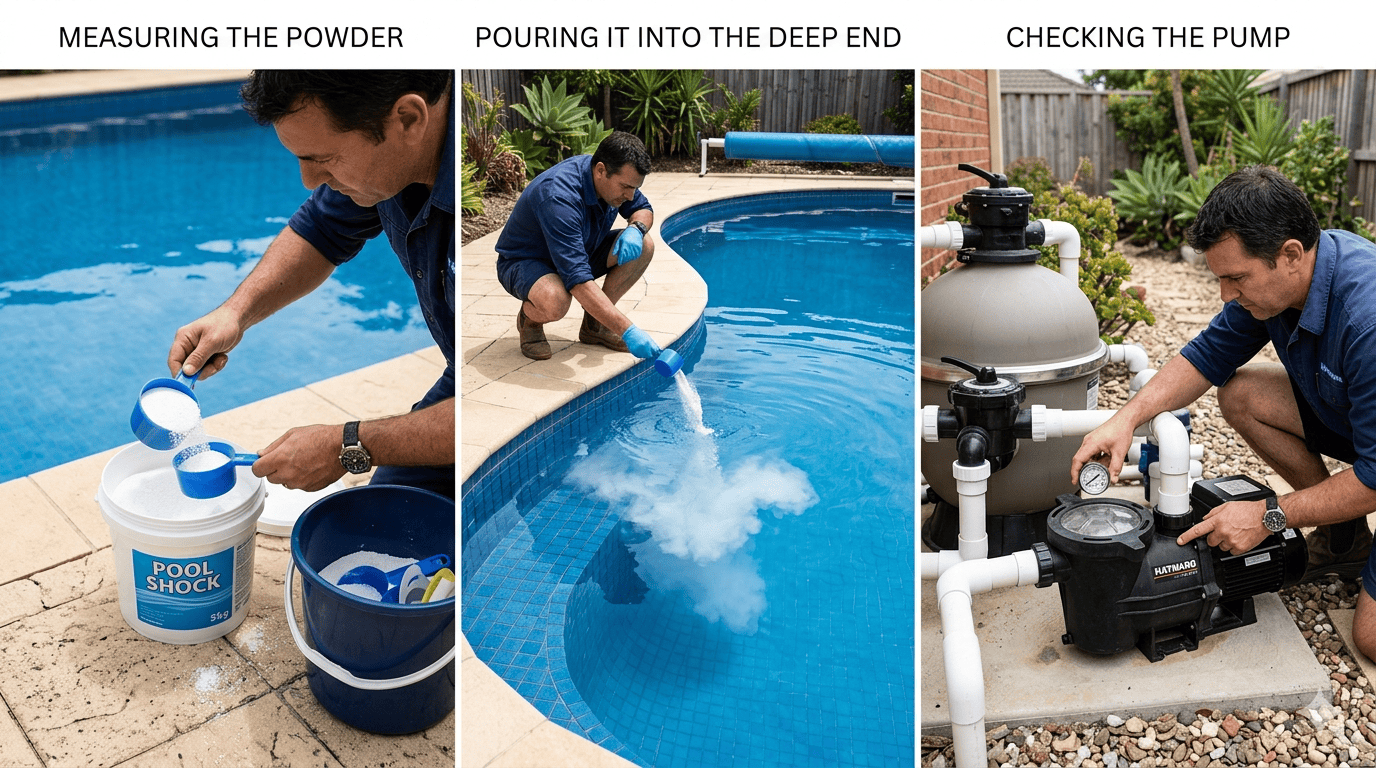
Follow these steps to ensure you don’t overcorrect and end up with cloudy water.
1. Calculate Your Needs
Check your test results. If you are at 60 ppm and want to get to 100 ppm, you need a 40 ppm increase. Using the chart above, calculate the total weight of baking soda required for your specific pool volume.
2. Purchase Sodium Bicarbonate
You can buy “Alkalinity Up” products or bulk baking soda. Just ensure the ingredient label says 100% Sodium Bicarbonate.
3. Spread the Powder
Turn on your pool pump. Walk around the deep end of the pool and slowly pour the baking soda onto the surface of the water. Avoid pouring it all in one spot, as it can clump at the bottom.
4. Let it Circulate
Allow the pump to run for at least 6 to 24 hours. This ensures the powder is fully dissolved and distributed throughout the entire body of water.
5. Re-test
Check the levels again after 24 hours. If you are still a bit low, repeat the process. It is always better to add too little and add more later than to add too much and have to lower it.
Real-Life Example: The “Rainy Weekend” Rescue
Meet Sarah. After a weekend of heavy thunderstorms, Sarah noticed her pool water looked dull. She tested her water and found the pH was 6.8 (very acidic) and her alkalinity had dropped to 40 ppm because of the acidic rainwater.
Instead of dumping in pH Up, Sarah added 6 pounds of baking soda to her 20,000-gallon pool. By the next morning, her alkalinity was at 90 ppm. Surprisingly, her pH had naturally risen back to 7.4 without her adding any other chemicals. By fixing the alkalinity “anchor,” she fixed the whole pool.
Common Mistakes to Avoid
Even seasoned pool owners make these errors:
-
Adding Too Much at Once: This can cause “calcium scaling” or make your water look like milk.
-
Mixing Chemicals: Never mix baking soda with chlorine in a bucket. Always add them to the pool separately.
-
Ignoring pH: While alkalinity is the priority, always check your pH after the alkalinity has settled.
-
Testing Too Soon: If you test 10 minutes after adding powder, you’ll get a false reading. Wait at least 6 hours.
Best Alternatives to Raise Alkalinity in Pool When Baking Soda Fails
You might use Soda Ash (Sodium Carbonate). While baking soda mostly raises alkalinity and has a small effect on pH, Soda Ash raises both significantly.
Only use Soda Ash if both your pH and alkalinity are extremely low. Be careful, though; Soda Ash is much stronger and can easily make your pool water cloudy if you aren’t precise with your measurements.
Understanding Pool Water Balance
Maintaining a pool is about more than just one chemical. Think of your water like a living ecosystem. You have to balance several factors:
-
Calcium Hardness: If this is too low, the water will be “hungry” and eat your plaster.
-
Cyanuric Acid: This is sunscreen for your chlorine.
-
Algae Prevention: Keeping your levels right is the first step in preventing green pool water and keeping the floor from getting slimy.
-
Closing Procedures: If you live in a cold climate, knowing how to winterize a pool properly depends on having balanced chemistry before the cover goes on.
When to Seek Expert Help
Most alkalinity issues are easy DIY fixes. However, you should call a professional if:
-
The Water Stays Cloudy: If you’ve balanced the chemicals but the water remains “milky” for more than 3 days.
-
Staining: If you see brown or metallic stains on the walls that won’t brush off.
-
System Leaks: If you find you are constantly adding water, your chemicals will never stay balanced.
If you are feeling overwhelmed, don’t hesitate to speak with an expert at a local pool supply store. They can often do a computer analysis of your water for free if you bring them a sample.
Conclusion:
Raising your pool’s alkalinity is one of the simplest ways to take control of your backyard oasis. It stops the “pH bounce,” protects your expensive equipment, and ensures that every swim is comfortable for your family.
Start by testing your water today. If those numbers are low, grab some baking soda and follow the steps above. You’ll be back to enjoying crystal clear, sparkling water in no time.
Frequently Asked Questions
Can I swim immediately after adding baking soda?
It is generally safe to swim after 30 to 60 minutes, as baking soda is non-toxic. However, it is best to wait until it has fully dissolved and circulated so you don’t swim through “clouds” of powder.
Will baking soda make my pool cloudy?
If added in large amounts or if your calcium hardness is already high, it can cause temporary cloudiness. To avoid this, add it in small increments and keep the pump running.
Is baking soda the same as pH Up?
No. pH Up is usually Soda Ash, which raises pH very quickly. Baking soda (Alkalinity Increaser) focuses on raising alkalinity with a very gentle effect on pH.
How often should I test alkalinity?
During the peak swimming season, you should test your alkalinity at least once a week. You should also test it after heavy rain or after a “pool party” with many guests.
What happens if alkalinity is too high?
If it goes above 150 ppm, the water becomes “scale-forming.” This leads to cloudy water and crusty white deposits on your pool tiles and plumbing.