
 Lisa Willams

Children are naturally curious. They ask questions, explore ideas, and love learning about the world. But when it comes to homework, many kids suddenly lose interest.
Parents often say the same things.
“My child gets distracted easily.”
“Homework time turns into an argument.”
“They study only before exams.”
If this sounds familiar, you are not alone.
Many parents struggle to build good study habits for kids. Children may want to learn, but they often lack structure, focus, and consistency. The good news is that study habits are skills. And like any skill, they can be taught step by step.
When children learn how to study properly, school becomes less stressful. They feel more confident, remember information better, and develop discipline that helps them throughout life.
This guide will show you practical ways to encourage better study habits at home. You will learn how to create a simple homework routine, build a healthy study schedule for kids, and help children improve their focus while learning.
What Are Good Study Habits for Kids?

Good study habits are simple routines and behaviors that help children learn effectively.
They are not about forcing children to study longer. Instead, they help kids study smarter and more consistently.
Good learning habits include:
- Studying at the same time each day
- Having a quiet place to learn
- Breaking homework into smaller tasks
- Taking short breaks
- Reviewing lessons regularly
- Staying organized with books and assignments
When these habits become part of daily life, studying starts to feel normal instead of stressful.
Experts in learning and child development often highlight the importance of structured learning environments. Educational psychologists study how children learn and how parents and teachers can support them. You can learn more about their role through edpsy, which explains the work of educational psychology professionals who help improve learning environments for children.
In simple terms, when the environment is right, children learn better.
Why Are Study Habits Important for Children?
Many parents focus only on grades. But strong study habits are much more valuable than a single exam result.
They build lifelong skills.
Children who develop good study habits usually gain:
-
Better Focus
Children learn how to concentrate on one task without constant distraction.
-
Stronger Memory
Regular review helps information stay in long term memory.
-
Confidence
Kids feel proud when they understand their schoolwork.
-
Time Management Skills
A regular study schedule for kids teaches them how to plan their time.
-
Independence
Children begin to manage their own learning instead of relying on parents.
These skills do not just help in school. They help throughout life.
Why Do Many Kids Struggle With Study Habits?
Before fixing the problem, it helps to understand the reasons.
Many children struggle with homework and studying because:
- They feel overwhelmed by large assignments
- They get distracted by phones or television
- They do not know how to start studying
- They associate homework with stress
- Their study environment is noisy or uncomfortable
Sometimes children are simply tired after a long school day.
When parents understand these challenges, they can respond with patience instead of frustration.
How to Encourage Good Study Habits in Children
Helping children develop strong learning habits requires consistency. Small daily actions make the biggest difference.
Here are practical steps that work in real homes.
-
Create a Simple Homework Routine
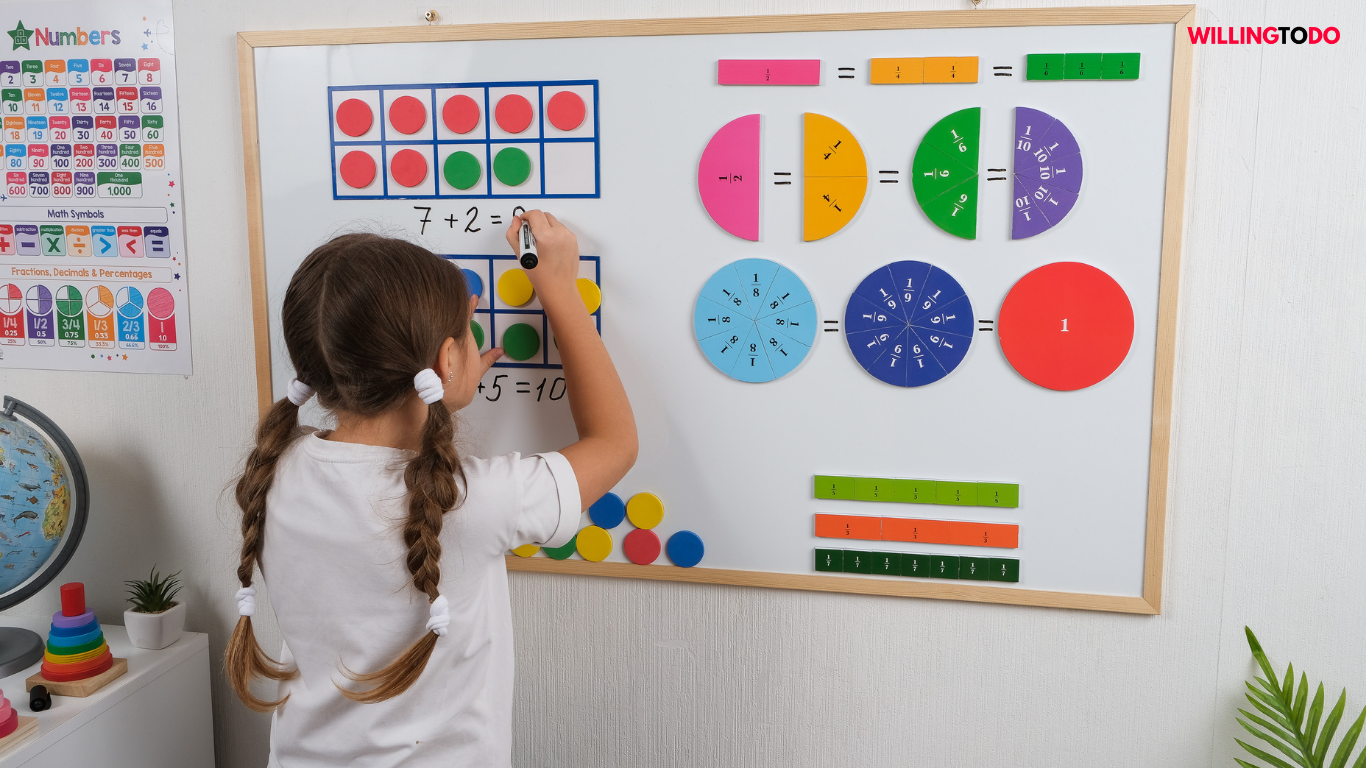
Children thrive on routine. When study time happens at the same time every day, it becomes part of normal life.
A predictable homework routine reduces resistance.
For example:
- Snack and rest after school
- Homework time at 5 PM
- Break after 30 minutes
- Finish assignments before dinner
When children know what to expect, they complain less and focus more.
Consistency is the secret.
-
Set Up a Quiet Study Space
Environment matters more than many parents realize.
A good study space should be:
- Quiet
- Well lit
- Comfortable
- Free from distractions
Avoid letting kids study in front of the television or with phones nearby.
Even a small desk in a quiet corner can work well.
Children quickly associate that space with learning.
-
Build a Study Schedule for Kids
A study schedule helps children manage their workload without feeling overwhelmed.
Instead of cramming before tests, they review lessons regularly.
Example weekly study schedule:
Monday
Review math lesson for 15 minutes
Tuesday
Practice spelling words
Wednesday
Science review
Thursday
Reading practice
Friday
Light review or project work
Short daily sessions are far more effective than long stressful study sessions.
-
Break Big Tasks Into Small Steps
Large assignments can scare children.
When kids see a big project, they may avoid starting.
Parents can help by breaking work into smaller steps.
Example:
Instead of saying
“Finish your project”
Try:
- Choose a topic
- Write 3 ideas
- Research information
- Write one paragraph today
Small progress feels manageable.
This simple trick improves motivation dramatically.
-
Teach Focus Tips for Students

Focus is a skill children must practice.
Try these simple focus tips for students:
- Study in 25 minute blocks
- Take a 5 minute break after each session
- Remove phones during study time
- Use a timer for tasks
- Start with the hardest subject first
Children often concentrate better when they know a break is coming soon.
-
Encourage Curiosity Instead of Pressure
Many children lose interest in learning because of constant pressure.
Instead of saying:
“You must get good grades.”
Try saying:
“Let’s understand this together.”
Curiosity builds natural motivation.
Ask questions like:
- What did you learn today?
- Which part was interesting?
- Was anything confusing?
These small conversations make learning feel meaningful.
-
Praise Effort, Not Just Results
Children need encouragement.
When parents focus only on grades, kids may feel discouraged.
Instead praise effort.
Examples:
“I like how you focused today.”
“You worked hard on that problem.”
“Great job staying organized.”
This builds confidence and persistence.
Real Life Example
Let’s look at a simple example.
Sara is 9 years old. Homework used to be stressful in her home.
She often delayed studying and rushed assignments late at night.
Her parents made 3 simple changes.
First, they created a regular homework routine at 5 PM.
Second, they set up a quiet desk in her bedroom.
Third, they introduced short 25 minute study sessions.
Within a few weeks, homework time became calmer.
Sara began finishing assignments faster and with fewer mistakes.
Small structure made a big difference.
Common Mistakes Parents Make
Even caring parents sometimes make mistakes that hurt study habits.
Here are some common ones.
-
Forcing Long Study Hours
Long sessions make children tired and frustrated.
Short focused sessions work better.
-
Doing Homework for the Child
Parents sometimes help too much.
Children need to struggle a little to learn.
-
Punishing Poor Grades
Fear rarely improves learning.
Support and guidance work better.
-
Ignoring Sleep and Rest
Tired children cannot focus.
Good sleep is part of good study habits.
-
Expecting Instant Change
Habits take time to build.
Patience is essential.
Expert Tips for Building Strong Learning Habits
Here are a few practical strategies that experienced educators recommend.
Start With Small Changes
Do not change everything at once.
Begin with one habit like a daily study time.
Use Visual Schedules
Young children respond well to visual routines.
Charts or planners can help.
Encourage Reading Daily
Reading improves vocabulary, focus, and comprehension.
Even 15 minutes daily makes a difference.
Stay Calm During Homework
Children sense frustration quickly.
A calm parent helps children stay calm too.
Celebrate Small Wins
Did your child finish homework early? Celebrate it.
Positive reinforcement builds lasting habits.
How This Connects to the Bigger Learning Strategy
Encouraging good study habits is only one part of supporting a child’s education.
Children also need emotional support, a healthy learning environment, and guidance with motivation and confidence.
If you want a deeper understanding of how to support learning at home, the complete guide to supporting child learning at home explains a full strategy parents can follow.
This broader approach helps parents build not only study skills but also a positive attitude toward learning.
When to Consider Expert Help
Sometimes children struggle with learning despite strong support at home.
Signs that extra help may be useful include:
- Constant frustration with schoolwork
- Difficulty focusing even for short periods
- Falling far behind classmates
- Extreme stress about homework
In such cases, speaking with a teacher, tutor, or educational specialist can provide helpful guidance.
Early support can make learning much easier for children.
Conclusion
Helping children develop strong study habits is one of the most valuable gifts parents can provide.
These habits teach discipline, focus, and responsibility. They also make learning less stressful and more enjoyable.
Remember the most important ideas:
Create a predictable homework routine.
Provide a quiet study space.
Build a simple study schedule for kids.
Encourage curiosity and effort.
Use short sessions with regular breaks.
Small daily changes lead to big results over time.
Most importantly, be patient. Habits take time to grow, but once they form, they support children throughout school and life.
FAQs
-
At what age should children start building study habits?
Children can start learning simple study routines around age 6 or 7. Early habits like regular reading time help build strong learning skills.
-
How long should kids study each day?
Young children often focus best for 20 to 30 minutes at a time. Short sessions with breaks are more effective than long study hours.
-
What is the best homework routine for kids?
A good homework routine includes a snack after school, a short rest period, then focused homework time in a quiet space.
-
How can parents improve focus in children?
Remove distractions, use short study sessions, and encourage breaks between tasks. Consistency helps improve focus.
-
What if my child refuses to study?
Stay calm and supportive. Try making study sessions shorter, break tasks into smaller steps, and focus on encouragement instead of pressure.