
 Harriet Wetton
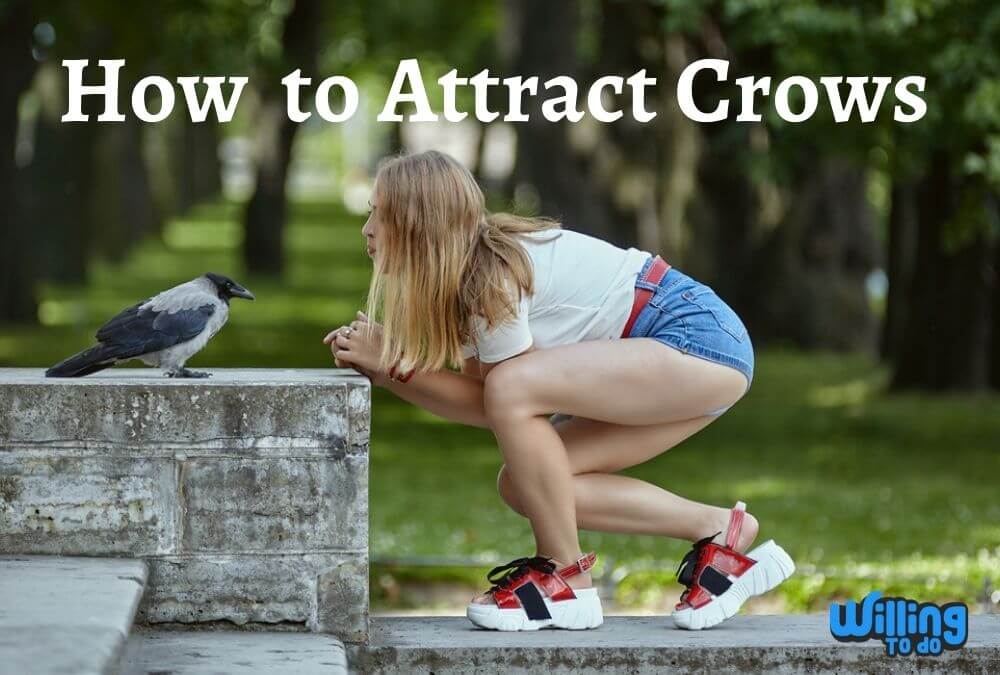
Crows are adorable little creatures if you’ve ever had a chance to observe them, and they bring a lot of life to the yard. Either simply because you like crows or because you want them to clean up food waste, you will need to know how to attract crows to your garden.
Not to mention cleanliness. They act as scavengers and clean up all the food waste you discard, a job for which they are unappreciated.
When you understand how these birds think, you realize that inviting them into your space is about more than just throwing some seeds on the ground. It is about building a relationship with one of the most intelligent species on the planet.
How to Attract Crows: Understanding the Genius of the Corvids
Crows are very bright creatures, one of the most intelligent birds, and a group of crows called a “flock” or “murder,” can be a useful addition to your garden.
A small flock can keep plants free of insects and other pests, and their large size makes crows a deterrent to other predatory birds, such as hawks.
Attracting crowds and bringing them back can be done quickly and in an environmentally friendly way. So, here you will wonder to see the incredible ways to know how to attract crows.
Before diving into the specific tactics, it is helpful to appreciate why you want them there. Crows have problem solving skills comparable to a seven year old human child.
They can recognize individual human faces, which means if you are the person providing the snacks, they will literally remember you for years. This level of social awareness makes them fascinating neighbors.
If you have ever felt lonely in your garden, a friendly crow family can provide endless entertainment and a sense of connection to the local ecosystem. Let’s look at the foundational steps to make your property the local crow “hotspot.”
Make the Yard “Crow Safe”
First things first, make sure your garden is “crow friendly.” This is very important when it comes to knowing how to attract crows. Crows are easily startled by random noises, so items like squeaky bells, wind chimes, and even loose doors can keep them away.
Crows will avoid anything that seems threatening to them. So get rid of everything and make noise in your garden.
Security is the number one priority for a crow. Because they are often persecuted by humans or hunted by larger birds of prey, they are naturally cautious. If your yard has a lot of movement from things like decorative spinning wheels or high frequency pest deterrents, a crow will simply keep flying.
They need to know that once they land, they aren’t going to be surprised by a sudden clang or a bright flash. To build a truly crow safe haven, take a walk through your yard and look for anything that moves unpredictably in the wind.
Removing these items shows the birds that your space is a stable and predictable environment.
Additionally, crows are spooked by reflective surfaces that move in the breeze, creating random flashes of light. Another important thing is that if you have pets, make sure they are far from the garden. Crows will not descend into the yard if pets are roaming around.
A barking dog or a stalking cat is a deal breaker for a murder of crows. If you want them to visit, try to establish a “quiet hour” during the early morning when pets are indoors. This gives the birds a window of safety to explore the food you have left for them without fear of being chased.
Distribute the Food Strategy
Crows eat just about anything, so you’re pretty safe regardless of what food you put them on. To pinpoint how to attract crows first, you’ll want something remarkable, like peanuts in the shell.
Once they become a regular in your garden, you can use a wider variety of foods, including ground pet food or leftover meat. Crows can eat a lot of food, so don’t be afraid to spread more if they eat it all.
The key to a good food strategy is consistency. Crows are creatures of habit. If you put food out at exactly 8:00 AM every morning, they will eventually start waiting on nearby branches for your arrival. This routine reduces their stress and makes them feel like part of a scheduled community.
When you are first starting out, try to use high visibility foods. Things that stand out against the green of the grass, like white bread bits or bright yellow corn, can catch their eye from high altitudes.
As they get used to your yard, you can switch to healthier, more nutritional options like high quality suet or unsalted nuts.
Think about the placement of the food as well. Crows prefer to eat in wide open spaces where they have a clear line of sight in all directions. Placing a feeder too close to a dense bush where a cat could hide will make them nervous.
Instead, use a flat, elevated platform or simply clear a large patch of lawn. This allows them to keep an eye out for danger while they enjoy their meal. If you want to see them up close, you can gradually move the feeding area closer to your window over several weeks.
Create a Place to Rest
Crows like horizontal places to rest, such as fences and tree branches. They are sociable birds, so you will need plenty of places to sit and stay. Therefore, any resting place must be very sturdy. Old-fashioned concrete waterers can be very useful.
Providing a high “sentinel” post is a great way to make crows feel comfortable. Crows usually have a system where one bird stays on watch while the others eat. If you provide a tall, sturdy branch or a wooden post that overlooks the feeding area, you are essentially helping them with their security detail.
A crow that feels it has a good vantage point is a crow that will stay longer. If you have tall trees like oaks or pines, you are already ahead of the game. If not, don’t worry. You can easily supplement your landscape with artificial structures that mimic natural perches.
In case there are no trees, or there are very few trees in your garden, you can build some wooden shelves and install them at a height against the wall or on platforms. Make sure they are tall. This will give the crows something to sit in the yard so you can better observe them.
These shelves can also serve as a secondary feeding station during rainy weather, keeping their snacks dry and appetizing. Keeping your garden well maintained with proper tree maintenance also ensures that natural perching spots remain safe and strong enough to support these heavy birds.
You can also create an artificial structure if you don’t have enough natural space. Nail or drive studs into the ground, then place a crossbar between them for more room to rest. Think of it like a “crow gym.”
The more varied the perching options, the more likely a large group will feel welcome to congregate. This social aspect is vital because once a few crows decide your yard is a “safe zone,” they will communicate this to the rest of the flock through their complex vocalizations.
Draw them a Bath Tub
Build a small water structure or place a tub filled with water on the patio, such as a slightly larger birdbath. This will prove as a helping tool to determine how to attract crows.
During the summer, the crows will descend in search of water to drink and bathe, and in winter, when there is less water, the water will really help.
Unlike smaller songbirds, crows need a bit of depth and a lot of space to splash around. A standard shallow birdbath might be too small for a large crow, so look for something more substantial, like a large ceramic basin or even a clean plastic kiddie pool with just a few inches of water.
Water is often an overlooked resource in the quest of how to attract crows. Clean, fresh water is essential for their digestion, especially if they are eating dry foods like peanuts or crackers. They also use water to soften up hard bits of food.
You might notice them “dunking” their snacks before eating them. Keeping the water clean is important for their health, so try to change it every day or two.
If you live in a colder climate, a heated birdbath can be a massive draw during the freezing winter months when all other water sources are locked in ice. This simple addition can make your yard the most popular destination in the neighborhood.
Use Raven and Crow Songs
You can buy an electronic call or try to use a manual call yourself. There are various calls used by crows, many of which will attract a close group. Some popular calls are the Wake-Up Call, the Gathering Call, and the Distress Call, all of which will attract curious crows to your location.
However, use the distress call sparingly. While it brings them in, it puts them on high alert because they think a fellow crow is in trouble. For a more relaxed atmosphere, stick to “assembly” calls that signal a food source or a safe social gathering.
Calling manually is difficult, but it can give you more flexibility in calling and communicating with birds. Make the call between thumb and forefinger, cupping the end with your hands. Instead of blowing, you’ll want to growl on the call, like you’re clearing your throat.
It takes some practice to get the pitch right, but crows are curious by nature. Even a “bad” call might bring them in just to see what kind of strange bird is making that noise.
The goal isn’t necessarily to fool them into thinking you are a crow, but to signal that there is activity in your yard. Once they see the food and water, the call has done its job.
Lay Down some Fake Crows
Crows have a go-to-crowd mentality, which means that they will generally follow other crows to their resting and feeding areas. So you can buy some fake crows toys and put them in the yard, and the crows are coming.
Such practice will pave your way to learning how to attract crows. When placing decoys, position them in a relaxed posture. Avoid using “dead crow” decoys or anything that looks like a bird in distress, as this will have the opposite effect and scare the real ones away.
Decoys work best when they look realistic. Look for decoys that have a feathered texture rather than shiny plastic, as real crows have very specific light reflections on their wings. Place one on a fence post and another on the ground near your food source.
This creates a visual signal that the “crow party” has already started. Over time, you can remove the decoys once the real birds have established a routine. It is a bit like setting up an outdoor advertisement for your garden’s amenities.
Use Shiny Objects Wisely
Of all the things that attract crows, shiny objects are known to be the most successful. If you have observed crows, they really like these objects. They even rummage through the garbage to collect them and take them to their nests.
Therefore, placing small objects in the yard that are sure to sparkle in the sunlight is another way to attract crows. This is often called “crow caching,” where they pick up interesting trinkets to show off or hide for later.
However, there is a fine line between a “curiosity” and a “scarecrow.” To use shiny objects effectively for how to attract crows, place them near the food or water rather than hanging them from trees where they might swing wildly.
A silver bell, a few old keys, or even some marbles can catch their eye. Crows have been known to “gift” shiny objects back to humans who feed them.
While this doesn’t happen to everyone, it is a testament to the unique bond you can form with these birds. Just make sure the objects aren’t small enough to be swallowed or sharp enough to cause injury.
How to Attract Crows Using their Favorite Food
The best way to know how to attract crows is to feed them. It’s that easy. But remember two things: one, feed them simultaneously to establish a routine (the ideal time is early morning and late the night before), and two, you will have to earn their trust and form a routine.
Establishing trust takes patience. When you first start putting food out, you might need to stay inside and watch through a window. Crows are wary of humans they don’t know. Over time, as they recognize your face and realize you aren’t a threat, you can start standing on the porch while they eat.
Eventually, some brave individuals might even land while you are still in the garden. This process can take weeks or even months, but the reward of having a wild animal trust you is well worth the wait. Let’s look at the specific menu items that will make your yard a five star restaurant for corvids.
Bread Soaked in Water
A simple meal, but the crows will eat it too. Get out some water-soaked bread, and they’ll swallow it. This is one of the easiest ways to know how to attract crows. While bread isn’t the most nutritious option, it is a fantastic “gateway” food. Because it is bright and easily recognizable, crows will spot it quickly.
Soaking it in water makes it easier for them to swallow and provides a bit of hydration at the same time. Just be careful not to rely on bread as their only food source, as they need protein and fats to thrive.
Bird Seeds and Grains
Regular bird seeds are also known to work wonders. In fact, if you have a bird feeder installed, you may have seen crows trying to feed on it. However, standard feeders are often designed for small birds like finches, and crows are too big to land on them comfortably.
To successfully use seeds for how to attract crows, spread them on a large tray or a flat rock. They particularly enjoy sunflower seeds, cracked corn, and pumpkin seeds. These provide healthy fats that are especially helpful during the nesting season when they need extra energy.
When using grains, try to avoid “filler” seeds like red millet, which crows usually ignore. Instead, focus on large, hearty grains. If you have leftovers from a meal, like plain cooked rice or oats, these can also be mixed in.
Crows are omnivores, so a diverse mix of grains and seeds mimics the variety they would find in the wild. This variety keeps them coming back to see what is “on the menu” for the day.
Dog and Cat Food
The crows will even eat cat and dog food. Many people will put away leftover pet food, and it will practically disappear within minutes. While crows eat dry things too, it is recommended that the food be soaked in water before storing it for their winged friends in the winter.
High protein kibble is actually quite good for them, as it contains many of the vitamins and minerals they need. If you use wet canned food, place it on a flat dish that you can easily wash later to maintain hygiene in your yard.
Chicken and other Meat Fats
Crows are known as scavengers, and they love to feast on meat. So all the fat from the meat and other parts you are about to discard can easily be used as crow’s food if you are eager how to attract crows. However, please don’t give them processed meat and other meat products from fast food establishments. Stick to natural trimmings.
If you have cooked a chicken, the leftover carcass (with some meat still on it) can be a huge treat. Just be sure to secure it so they don’t fly off with the whole thing and drop it in a neighbor’s yard! Meat provides the essential protein that helps them maintain their strong wing muscles and glossy feathers.
Unsalted Peanuts
It seems that crows really like peanuts. But make sure they are salt-free. You can spread them around the garden or leave a bunch on the ground. Some people prefer to feed the crows shelled peanuts as other birds cannot open them, and the crows will do the job just fine.
Therefore, making sure that they are consumed only by crows and not by other birds. Watching a crow figure out how to crack open a peanut shell is a great way to observe their intelligence in action.
They will often hold the nut with one foot and hammer it open with their powerful beak. Peanuts are perhaps the single best “reward” food you can use to build trust quickly.
Establishing a Long Term Connection
Once you have mastered how to attract crows, the next step is keeping them around. Crows are very loyal to territories that provide consistent resources. If you go on vacation, try to have a neighbor drop some food so the birds don’t think the “restaurant” has closed for good.
You will notice that as the seasons change, their behavior changes too. In the spring, they might be more secretive as they build nests. In the fall, you might see larger groups as families merge into winter roosts. Being a “crow friend” means observing these natural cycles and adjusting your care accordingly.
Remember that crows can live for up to 20 years in the wild. This means the crows you see today might be the same ones you see a decade from now. They might even bring their “babies” to meet you once the young ones are old enough to fly.
These young crows are often characterized by their blue eyes (which turn black as they age) and their loud, incessant begging for food.
Providing soft foods like soaked dog kibble during this time is a great way to help the parents out during a busy season. Your garden can become a vital sanctuary for generations of birds.
Finally, always be a good neighbor. Crows can be loud, and while you might love their “caws,” the person living next door might not appreciate a murder of fifty birds at sunrise. Keep your feeding area clean to avoid attracting rodents, and don’t overfeed to the point where food is rotting on the ground.
By being responsible, you ensure that your hobby remains a positive experience for both you and the community. Dealing with animals requires a balance of passion and practicality, and attracting crows is no different.
FAQ: Common Questions on How to Attract Crows
How long does it take to attract crows to a new yard?
It typically takes anywhere from a few days to several weeks. Crows are naturally suspicious of new food sources. If you are consistent with your timing and provide high value treats like peanuts, you will likely see scouts within the first week. Once the scouts deem your yard safe, the rest of the flock will follow shortly after.
Will attracting crows drive away other songbirds?
Crows are large and can be intimidating, so some smaller birds might keep their distance while the crows are actively feeding. However, since crows prefer different foods and feeding heights than most songbirds, you can usually host both.
Just place your small bird feeders in a different area of the yard, perhaps closer to cover or trees, to give them their own safe space.
Is it legal to feed crows in residential areas?
In most places, it is perfectly legal to feed wild birds. However, some local ordinances or homeowner associations (HOAs) may have rules about “wildlife feeding” to prevent pest issues. It is always a good idea to check your local regulations.
To stay on the safe side, keep your feeding area tidy and don’t leave large amounts of food out overnight which might attract raccoons or rats.
What is the best time of day to feed crows?
Early morning is the absolute best time. Crows are most active at dawn as they leave their night roosts and go out in search of breakfast. If you put food out just as the sun is coming up, you are catching them at their hungriest.
A second, smaller feeding in the late afternoon can also be effective before they head back to their roosting spots for the night.
Can crows really recognize my face?
Yes, absolutely! Scientific studies have proven that crows can distinguish between different human faces and associate them with either positive or negative experiences.
If you are the one who regularly brings the food, they will quickly learn to recognize you. They might even follow you down the street or caw to get your attention when they see you outside.
Are crows dangerous to pets?
Generally, no. Crows are much more afraid of your cats and dogs than your pets are of them. While a crow might dive bomb a pet if it gets too close to their nest or fledglings, they usually prefer to just fly away.
In fact, having crows around can be a “security system” for your pets, as crows will loudly alarm if they see a predator like a hawk or a stray cat in the area.
Conclusion
You may not have crows right away, as your food supplies can attract squirrels, blue jays, and other small birds. Here you have it, some of the best ways how to attract crows in the backyard and make them stick around. Try a combination of those methods, and you are sure to find success soon.
Just be patient and remember that you should never leave any food overnight or get rodents in. With a little bit of time and a lot of peanuts, you will soon have a loyal group of feathered friends who will appreciate your garden as much as you do.
These birds are a true marvel of nature, and bringing them into your life is a rewarding experience that changes how you view the world outside your door.