
 Lisa Willams

Burnout can quietly take over your life.
You start feeling tired all the time. Small tasks feel heavy. Even things you once enjoyed start to feel like work.
Many people try to push through it. They force themselves to work harder, wake up earlier, or follow strict productivity routines.
But burnout does not work that way.
What you actually need is a reset. A calm, realistic way to rebuild your daily habits and recover your energy step by step.
Learning how to recover from burnout routine patterns is not about doing more. It is about doing the right things in the right order.
In this guide, you will learn how burnout affects your routine, how to reset your daily habits, and how to slowly rebuild a healthy rhythm in your life.

What Is Burnout and Why Does It Disrupt Your Routine?
Burnout is a state of deep physical, emotional, and mental exhaustion.
It usually happens after long periods of stress. This stress can come from work, family responsibilities, studying, or trying to manage too many things at once.
According to guidance from the National Institute of Mental Health, taking care of your mental health and creating healthy habits is essential for recovery and long term wellbeing.
Burnout affects three main areas of life:
- Energy
You feel constantly tired. Even after sleeping, you still feel drained.
- Motivation
Simple tasks feel overwhelming. You delay work or avoid responsibilities.
- Focus
Your mind feels foggy. It becomes harder to think clearly or make decisions.
Because of this, your normal routine slowly falls apart.
Morning habits disappear. Sleep patterns change. Work becomes messy. Meals become irregular.
This is why resetting your routine is one of the most important steps in burnout recovery.
Why Resetting Your Routine Is Important for Burnout Recovery
When burnout happens, your brain and body are asking for stability.
A gentle routine provides that stability.
A healthy routine helps you:
- restore mental energy
• reduce stress
• improve sleep
• regain focus
• rebuild motivation
Think of a routine like a support system. It removes daily decision stress and gives your mind space to recover.
Many people believe they must wait until they feel better before rebuilding structure.
In reality, the right structure helps you feel better.
-
Signs Your Routine Needs a Reset

Sometimes burnout is obvious. Sometimes it slowly builds.
Here are common signs your daily routine is broken by burnout:
-
You Wake Up Already Tired
Even after sleeping, your body feels heavy.
-
Your Schedule Feels Chaotic
You jump between tasks with no clear plan.
-
You Delay Simple Tasks
Small responsibilities start piling up.
-
Your Sleep Schedule Is Unstable
You sleep too late or wake up too late.
-
You Feel Constant Mental Pressure
Your mind feels overwhelmed by unfinished tasks.
If you recognize these patterns, it is time for a mental reset guide approach to rebuild your daily rhythm.
Step by Step: How to Recover From Burnout and Reset Your Routine
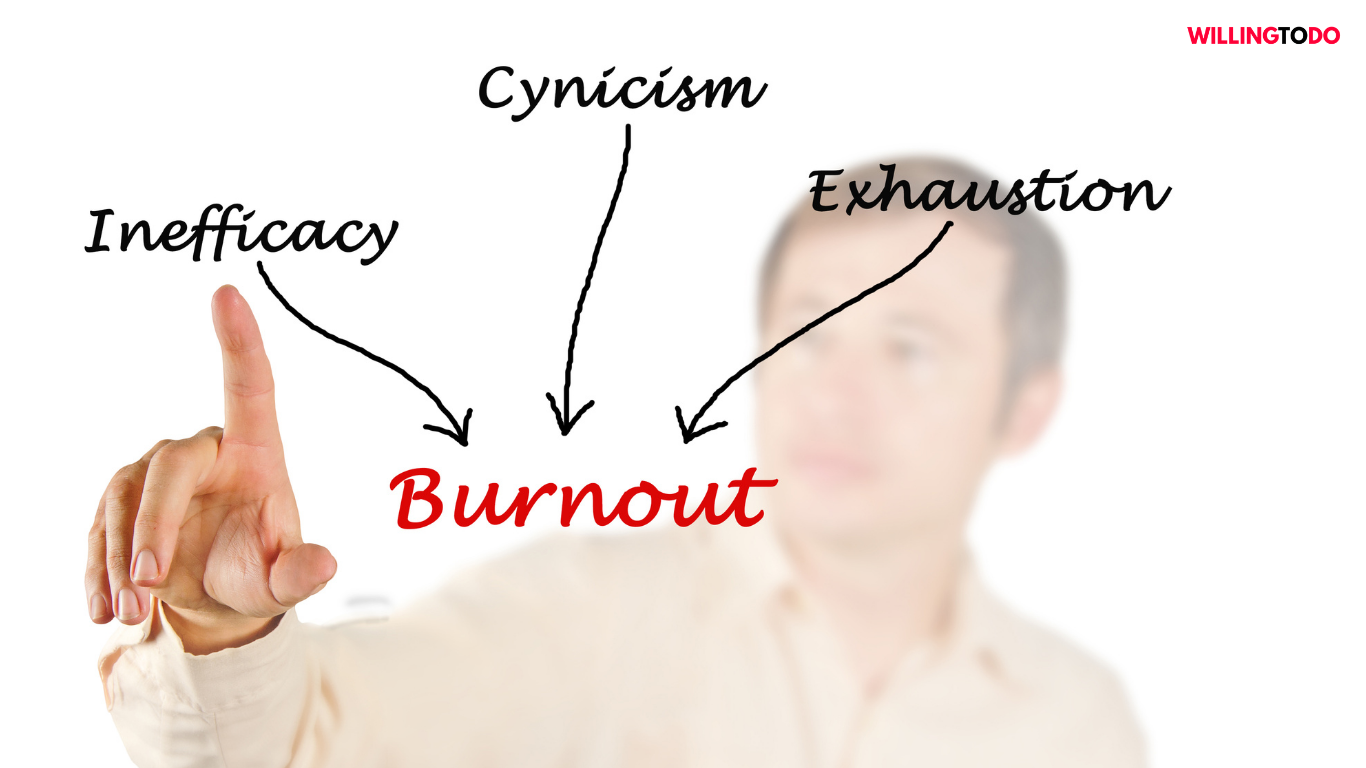
Resetting your routine should be simple and gentle.
Trying to build the perfect schedule overnight often makes burnout worse.
Follow this step by step process instead.
Step 1: Pause and Reduce Pressure
The first step is not productivity.
It is permission to slow down.
Burnout often happens when people push themselves too hard for too long.
Take a few days to reduce unnecessary pressure.
You do not need to stop everything. But try to:
- reduce extra commitments
• delay non urgent tasks
• create small breaks during the day
This gives your nervous system time to calm down.
Step 2: Repair Your Sleep Schedule
Sleep is the foundation of stress recovery.
Without good sleep, no routine will work.
Start with small changes:
- go to bed at the same time every night
• avoid screens before sleep
• wake up at a consistent time
Even 7 to 8 hours of stable sleep can dramatically improve energy and mood.
Step 3: Rebuild Your Morning Slowly
Your morning routine sets the tone for the entire day.
But after burnout, complex routines feel overwhelming.
Start very simple.
A good burnout recovery morning might include:
1 glass of water
5 minutes of stretching
10 minutes of quiet thinking or journaling
a healthy breakfast
That is enough.
Once your energy improves, you can slowly add more habits.
Step 4: Focus on 3 Important Tasks Per Day
Many people burn out because they try to do too much.
Instead of long task lists, focus on 3 meaningful tasks per day.
Ask yourself:
“What are the 3 things that will make today successful?”
Finish those first.
Everything else becomes optional.
This simple change can reduce daily stress dramatically.
Step 5: Add Recovery Activities Into Your Routine
Recovery is not laziness.
It is part of your stress recovery plan.
Your routine should include activities that restore your energy.
Examples include:
- walking outside
• light exercise
• reading
• creative hobbies
• spending time with supportive people
These activities help your brain recover from chronic stress.
Step 6: Create Clear Work Boundaries
Burnout often happens when work never stops.
Your brain needs clear signals when the day ends.
Try simple boundaries like:
- stop work at a fixed time
• avoid checking emails at night
• take real lunch breaks
Boundaries protect your mental energy.
Real Life Example: Resetting Life After Burnout
Sarah was a marketing manager working 10 to 12 hours every day.
At first she believed this was normal.
But slowly she began feeling exhausted. She struggled to concentrate and her sleep became irregular.
Eventually she realized she was experiencing burnout.
Instead of forcing productivity, she followed a reset plan.
First, she reduced overtime work.
Then she rebuilt a simple morning routine that included walking, journaling, and breakfast without rushing.
She limited her work tasks to three priorities per day.
Within a few weeks, her focus improved and her stress levels dropped.
Her routine became balanced again.
This shows how small changes can create real recovery.
Common Mistakes People Make During Burnout Recovery
Many people unintentionally make burnout worse while trying to recover.
Here are common mistakes to avoid.
Trying to Fix Everything at Once
People often try to build a perfect routine overnight.
This creates more pressure.
Start small.
Copying Extreme Productivity Routines
Online productivity routines are often unrealistic.
Wake up at 4 AM routines rarely help burnout recovery.
Choose habits that fit your life.
Ignoring Rest
Rest is not weakness.
It is necessary for healing.
Working Without Boundaries
Without limits, stress slowly returns.
Protect your recovery time.
Expecting Instant Motivation
Burnout recovery takes time.
Energy returns gradually.
Be patient with yourself.
Expert Tips for a Sustainable Burnout Recovery Routine
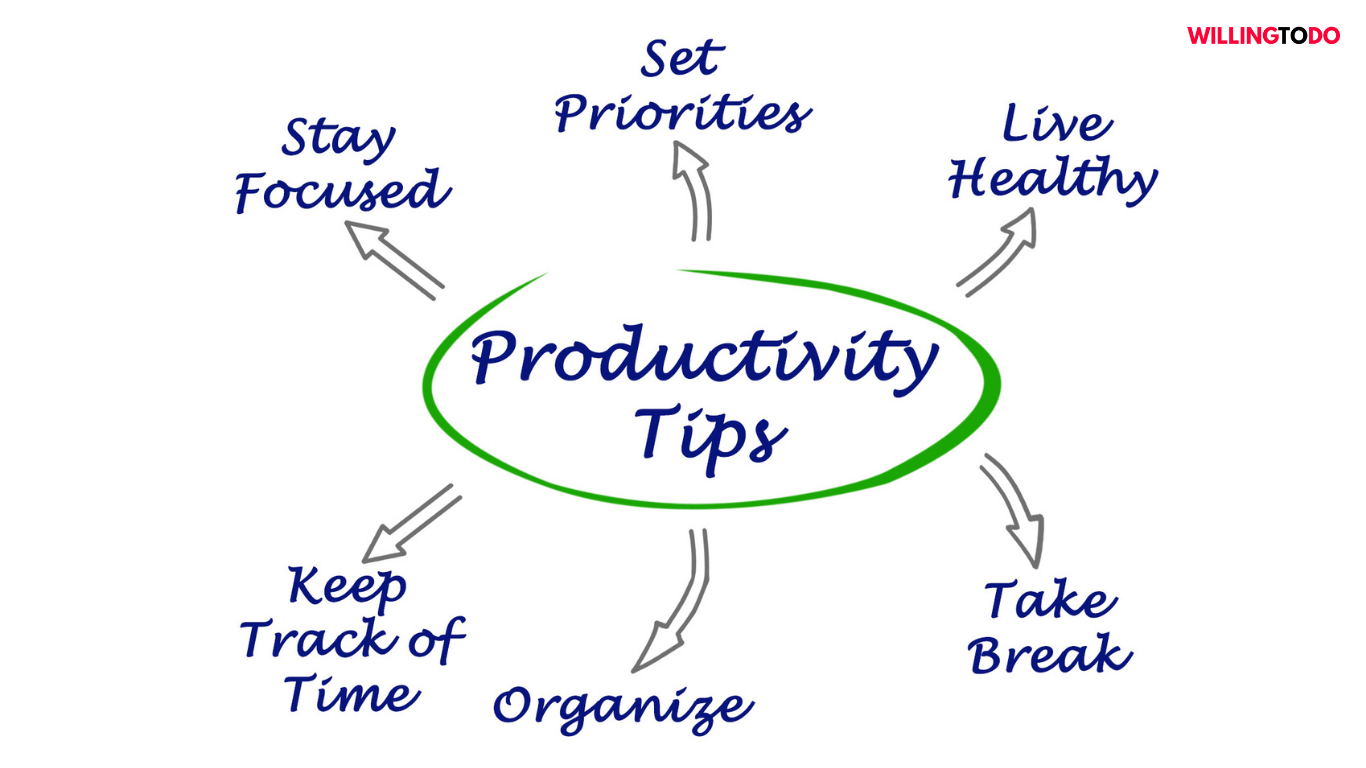
Experts in stress management often recommend small, consistent changes rather than dramatic lifestyle shifts.
Here are practical burnout recovery tips.
-
Focus on Energy, Not Just Productivity
Ask yourself:
“What gives me energy?”
Build routines around those activities.
-
Use Simple Habit Anchors
Attach new habits to existing ones.
Example:
Stretch after brushing your teeth.
This makes habits easier to maintain.
-
Track Your Energy Levels
Notice when you feel most alert during the day.
Schedule important work during those hours.
-
Keep Evenings Calm
Your brain needs slow evenings to recover.
Avoid intense work late at night.
-
Celebrate Small Wins
Progress matters more than perfection.
Even small improvements mean your routine is healing.
How Resetting Your Routine Fits Into the Bigger Picture
Recovering from burnout is not just about short term stress relief.
It is about building a lifestyle that supports long term health and balance.
A healthy routine protects your mental energy, improves productivity, and helps prevent burnout from returning.
If you want to build a sustainable system for daily habits, productivity, and personal wellbeing, you should also explore the main guide on creating a balanced lifestyle routine.
This guide explains how to design a routine that supports your physical health, mental clarity, and long term success.
When to Consider Professional Help
Sometimes burnout becomes severe.
If you experience symptoms like constant exhaustion, anxiety, or loss of motivation for long periods, it may be helpful to talk with a mental health professional.
Support from therapists, counselors, or stress management specialists can provide deeper guidance.
Seeking help is a strong and responsible step toward recovery.
Conclusion
Burnout can make life feel overwhelming.
But recovery is possible.
The key is not forcing productivity again. The key is rebuilding your routine with care and patience.
Start small.
Repair your sleep. Simplify your mornings. Focus on a few meaningful tasks each day.
Add activities that restore your energy and protect your boundaries.
Over time, these small steps create a powerful reset.
Your routine becomes supportive again instead of stressful.
And slowly, your energy, focus, and motivation return.
FAQs
How long does it take to recover from burnout?
Recovery time varies for each person. Some people feel better in a few weeks, while others may take several months. Consistent rest and healthy routines help speed up recovery.
What is the best daily routine for burnout recovery?
A simple routine works best. Focus on stable sleep, light exercise, small task lists, and regular breaks.
Can exercise help burnout recovery?
Yes. Light exercise like walking, stretching, or yoga can reduce stress and improve mood.
Should I take time off work for burnout?
If burnout is severe, short breaks or reduced workload may help. It depends on your situation and responsibilities.
Is burnout the same as depression?
Burnout and depression share some symptoms but are not the same. Burnout is usually related to chronic stress, especially work stress.