
 Harriet Wetton

Pipe smoking is much more than just a way to consume tobacco. For many, it is a ritual of patience, a learning activity, and a way to slow down in a fast paced world. Some even call it the world’s last great secret religion because of the community and peacefulness it brings.
Learning how to smoke a pipe takes more knowledge and practice than other forms of smoking, but the rewards are a deeper flavor and a much more relaxing experience. To truly appreciate it, you need to understand the mechanics and the art behind every puff.
In the past, most pipe smokers had to learn through trial and error or by sitting down with an expert. Many gathered in clubs to exchange news, tips, and personal stories.
Today, you don’t need a secret clubhouse to get started. We have prepared this comprehensive guide to help you master how to smoke a pipe with confidence and ease.
Essential Tools for the Modern Pipe Smoker
Before you light up, you need the right gear. You don’t need to spend a fortune, but having the correct tools will make your first experience much more enjoyable. Think of this as your starter kit for a new hobby.
- A Quality Pipe: For beginners, a corncob pipe is a fantastic choice. It might look simple, but corncob pipes are porous, which means they smoke “cool” and are very forgiving for those just learning.
- Plus, they are incredibly affordable. If you want something more permanent, a briar pipe is the classic choice, known for its beautiful wood grain and durability.
- Pipe Tamper/Tool: This is a small metal or wooden tool used to press the tobacco down. While you can use your finger, a tamper helps you pack the bowl evenly without burning yourself. It usually comes with a small pick to help clear out ash later.
- Pipe Cleaners: These are nonnegotiable. You need them to wipe out moisture and residue after every session. Keeping your pipe clean ensures every smoke tastes fresh.
- Wooden Matches or a Pipe Lighter: Avoid using a torch lighter, as the intense heat can damage the rim of your pipe. Wooden matches or a specialized pipe lighter (which has an angled flame) are the safest options.
- Tobacco: This is where the fun begins. Tobacco comes in countless varieties and flavors. We suggest starting with a “mellow” aromatic blend or a mild English mixture to find what suits your palate.
How to Smoke a Pipe: The Step-by-Step Process
Following a specific method will help you avoid the most common frustrations, like the pipe constantly going out or the tobacco tasting bitter. Here is how to smoke a pipe in four manageable steps.
1. Fill the Bowl (The Three Layer Method)
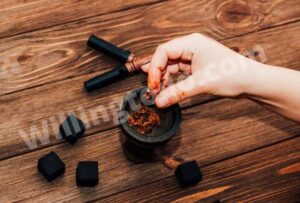
Packing the pipe is the most important part of the entire process. If you pack it too tight, you won’t be able to draw air. If it’s too loose, it will burn too hot. A popular technique is the “Three Layer Method.”
First, gravity feed some tobacco into the bowl until it is full. Press it down very lightly with your tamper until the bowl is about half full. This bottom layer should be loose.
Next, fill the bowl to the top again and press it down with a bit more pressure until the bowl is three quarters full. Finally, add a third layer and press it down firmly. You want the tobacco to feel springy, like a firm sponge.
2. Take a Test Draw
Before you ever strike a match, put the pipe in your mouth and take a draw. This is the “dry hit.” If the air moves through as easily as if you were drinking through a straw, your pack is accurate.
If you feel like you are trying to suck a thick milkshake through a straw, it is packed too tight. In that case, it is better to empty the bowl and start over rather than struggle with a poorly packed pipe.
Checking the draw now saves you from a frustrating smoking session later. A good draw is the foundation of how to smoke a pipe successfully.
This is also a great time to think about taking care of yourself by ensuring you are in a comfortable, ventilated space.
3. Light Up the Pipe (The False Light)

Lighting a pipe is actually a two part process. First, use your match or lighter in a circular motion over the tobacco while taking gentle puffs.
This is called the “charring light” or “false light.” The tobacco will rise up and swell. Use your tamper to gently flatten that charred tobacco back down.
Now, apply the flame a second time. This “true light” will catch much better on the charred surface. Take slow, rhythmic draws. Unlike cigarettes, you do not inhale pipe smoke into your lungs.
Instead, you bring it into your mouth, enjoy the flavor, and then puff it out. This allows you to taste the subtle notes of the tobacco without the harshness of a deep inhale.
4. Stay Calm and Patient While Smoking

Pipe smoking is a marathon, not a sprint. One of the biggest mistakes beginners make is puffing too fast. If you inhale the smoke too quickly, the pipe will get too hot, and you will feel a stinging sensation on your tongue known as “tongue bite.”
If your pipe goes out, do not worry. It happens even to experts. Simply tamp the ash down lightly and relight. It is perfectly fine to relight your pipe several times during a session. The goal is to stay relaxed.
If you find yourself in a deep conversation with a friend, your pipe might go out more often, and that is part of the experience. Just enjoy the company and the slow pace.
If you are also interested in other hobbies, you might want to learn how to play online poker successfully during your downtime.
Advanced Tips for a Better Experience
Once you have mastered the basics of how to smoke a pipe, you can focus on the small details that elevate the experience. These tips will help you avoid common pitfalls and keep your equipment in top shape.
- Manage the Moisture: If you hear a gurgling sound, it means moisture has collected in the stem. This is common for beginners. Simply slide a pipe cleaner down the stem to soak up the liquid and then continue.
- Keep Your Mouth Dry: Try to avoid salivating into the mouthpiece. A drier smoke is a cooler, tastier smoke.
- The Temperature Test: If the bowl of the pipe feels uncomfortably hot against your hand, you are puffing too fast. Set the pipe down for a minute or two to let it cool, then relight with a slower rhythm.
- Avoid Overheating: Pushing your pipe too hard can “burn out” a wood pipe over time. Keeping a slow pace protects both your tongue and your pipe.
- Cool Before Cleaning: Never take your pipe apart while it is still warm. This can cause the stem to warp or the shank to crack. Wait until it is completely cool to the touch.
The Importance of Pipe Maintenance
Learning how to smoke a pipe also involves learning how to clean it. After every smoke, use a pipe cleaner to remove any moisture or tar from the stem and the bowl.
Every few weeks, you may want to use a little bit of high proof alcohol on a pipe cleaner for a deeper “sweetening” of the pipe.
Proper maintenance ensures that your tobacco flavors remain pure and that your pipe lasts for decades. If you enjoy maintaining things yourself, you might also like learning how to clean white converse to keep your style as sharp as your hobby.
A Note on Health and Responsibility
While pipe smoking is a classic pastime, it is important to be aware of the health concerns. All forms of tobacco use carry risks. Smoking can lead to heart disease, lung infections, and various forms of cancer.
According to health experts, smoking is a leading cause of preventable illness. It is also linked to immune system issues like rheumatoid disease.
Being informed about these risks is part of being a responsible adult. If you are looking for ways to improve your lifestyle, consider checking out our guide on how to glow up physically and mentally.
Conclusion
Mastering how to smoke a pipe is a journey that involves patience and a bit of technique. Start by choosing a comfortable pipe and a flavor of tobacco that appeals to you.
Remember the three layer packing method, take your time with the light, and most importantly, keep your pace slow and steady to avoid tongue bite.
With a little practice, you will find that pipe smoking is a rewarding way to relax and reflect. Don’t forget to clean your pipe once it cools down so it’s ready for your next session. Enjoy the process and the peaceful moments it brings!
Frequently Asked Questions (FAQ)
What is the best pipe for a total beginner?
Most experts recommend a corncob pipe for beginners. They are inexpensive, so you don’t have to worry about damaging them, and they provide a naturally cool smoke that helps beginners avoid tongue bite. Once you are comfortable, you can move up to a briar pipe.
Do you inhale pipe smoke?
No, you do not inhale pipe smoke into your lungs like you would with a cigarette. Instead, you draw the smoke into your mouth, let it sit for a moment to experience the flavor and aroma, and then puff it out. This is a much more flavorful and less harsh way to enjoy tobacco.
Why does my pipe keep going out?
This is usually due to either a poor pack or puffing too slowly. If it’s packed too loose, the cherry won’t stay lit. If it’s too tight, there isn’t enough oxygen. Don’t be discouraged; relighting is a normal part of the experience for many smokers.
How often should I clean my pipe?
You should run a pipe cleaner through your pipe after every single use. This prevents the buildup of “dottle” and moisture, which can make your next smoke taste sour or bitter. A deep cleaning with alcohol should be done every few weeks depending on how often you smoke.
What is “tongue bite” and how do I avoid it?
Tongue bite is a chemical burn or heat irritation on the tongue caused by smoking too fast or using tobacco that is too moist. To avoid it, slow down your puffing cadence, ensure your tobacco isn’t overly wet, and keep your pipe bowl from getting too hot.
Can I smoke any tobacco in a pipe?
It is highly recommended to only use tobacco specifically labeled as pipe tobacco. Other types, like cigarette tobacco, are cut differently and contain different additives that will burn too fast and taste unpleasant in a pipe bowl.
Explore more helpful guides:
- How to Be the Best Employee and Stand Out
- Practical Tips on How to Make Friends
- Why Simple is Often Best: 10 Reasons to Simplify
- How to Cope with Mental Illness and Find Support